Last updated November 21, 2026
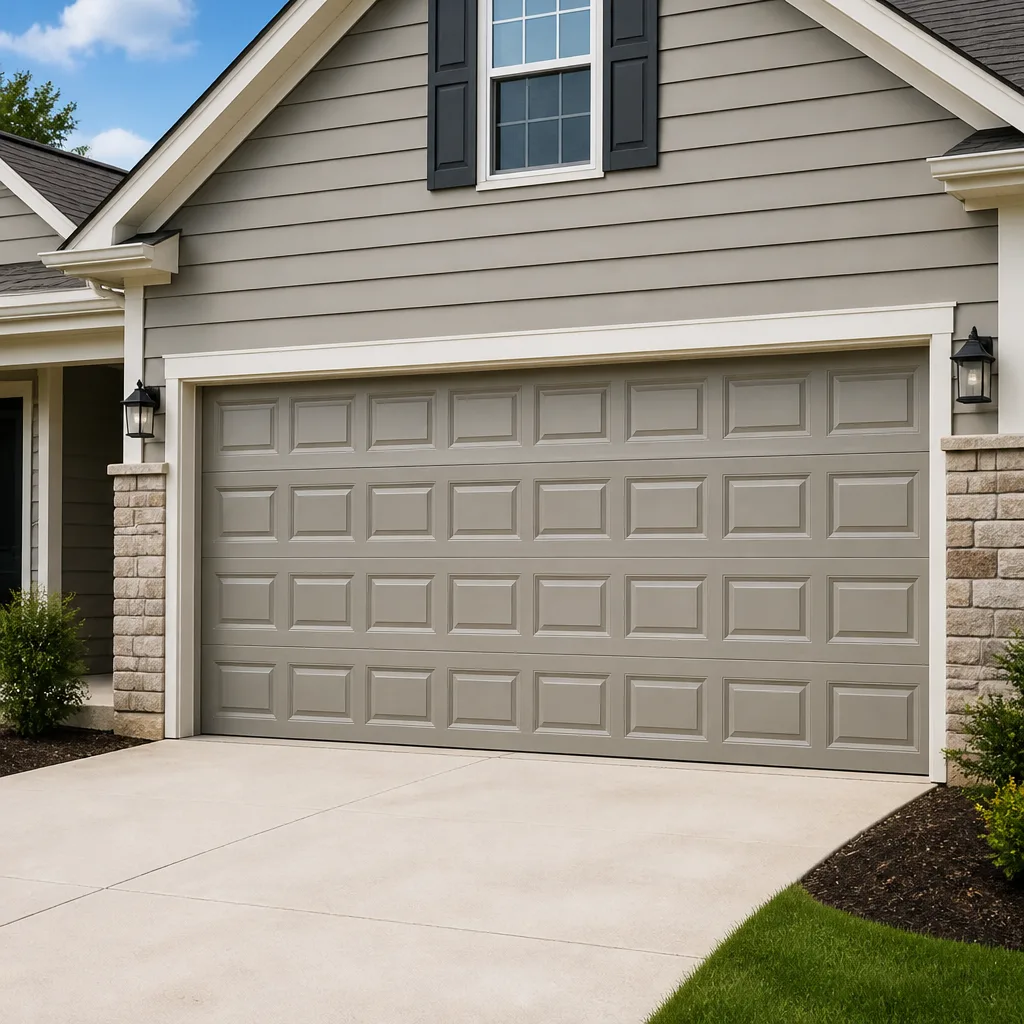 Raised-panel steel
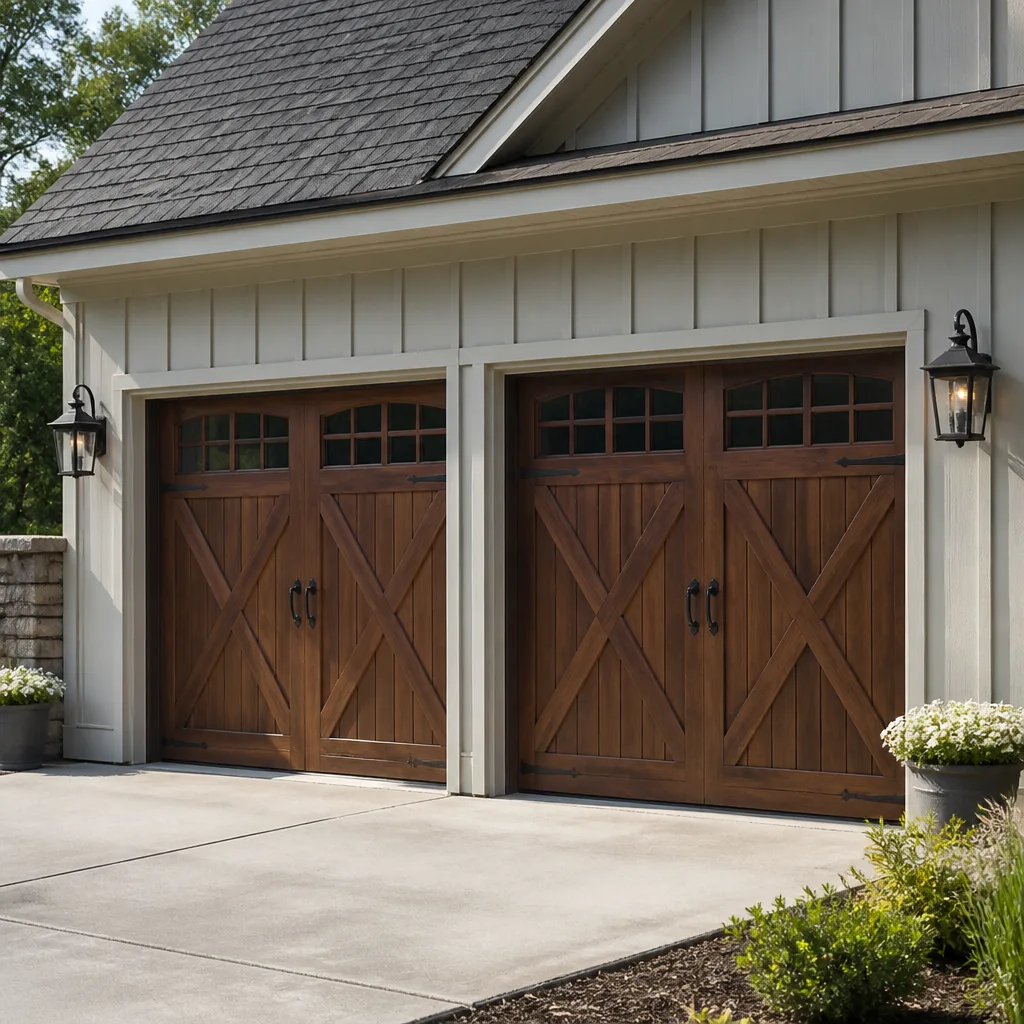 Carriage house
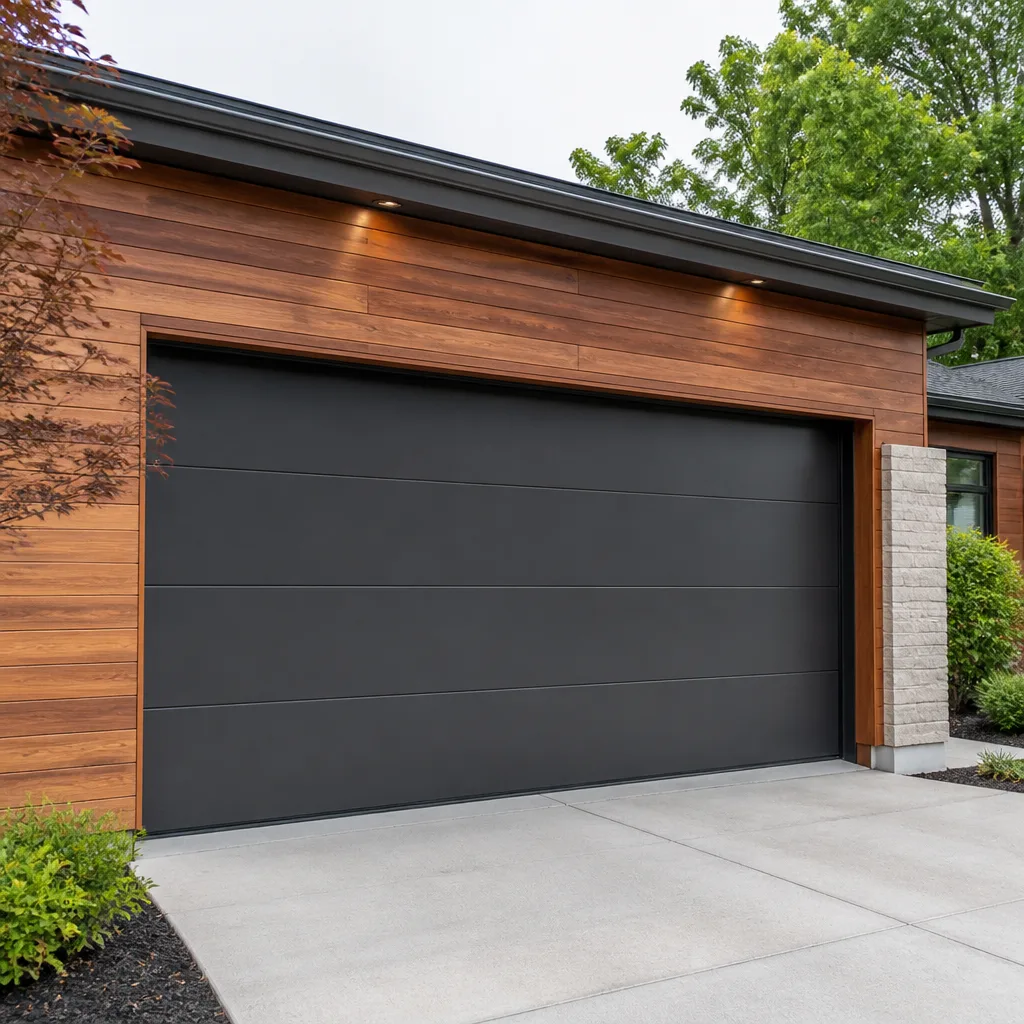 Modern flush
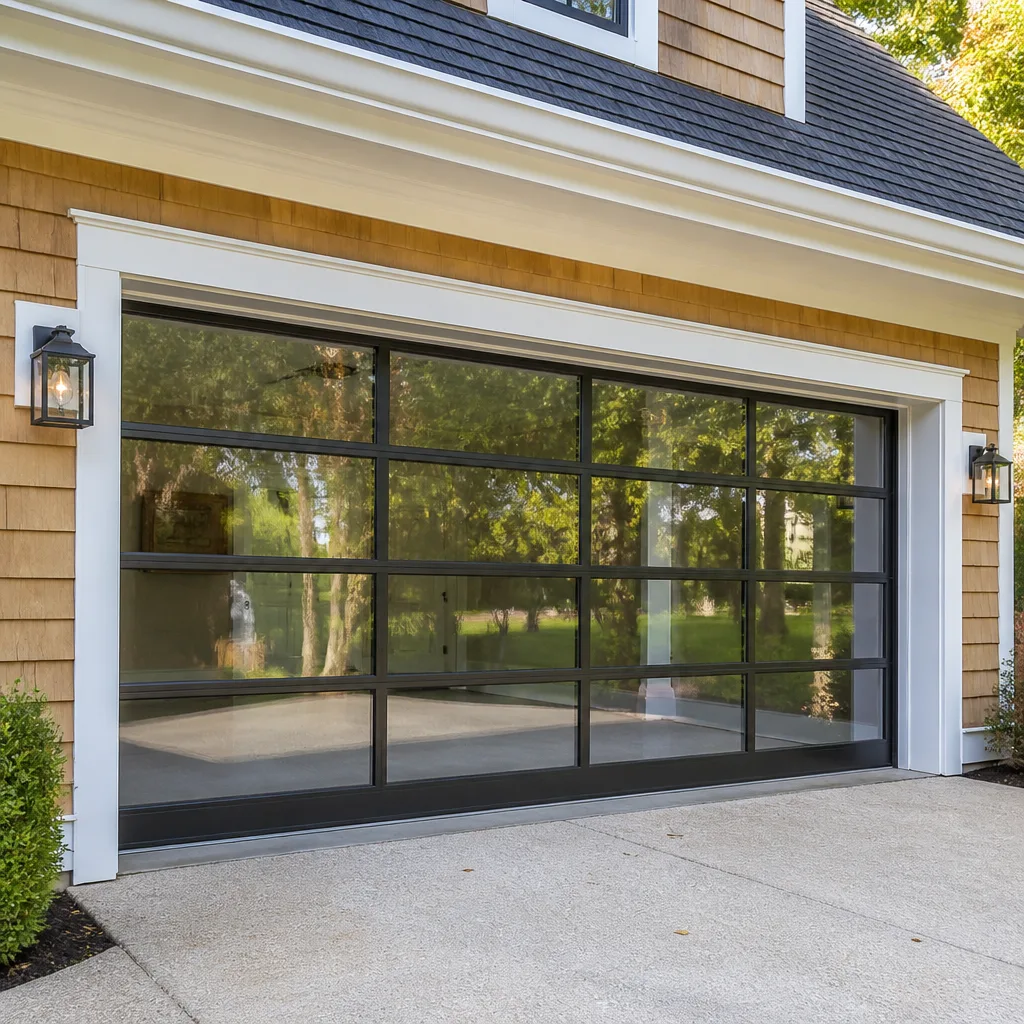 Full-view glass
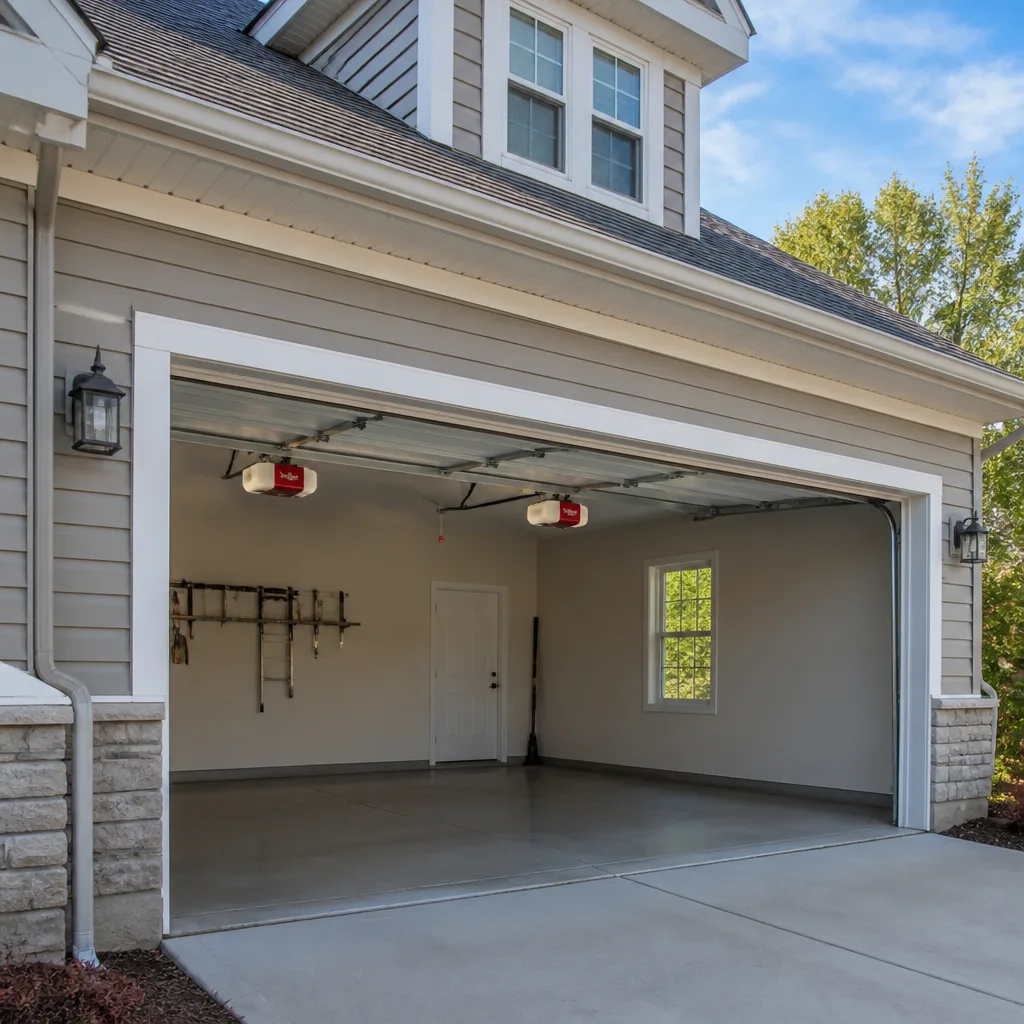 LiftMaster openers
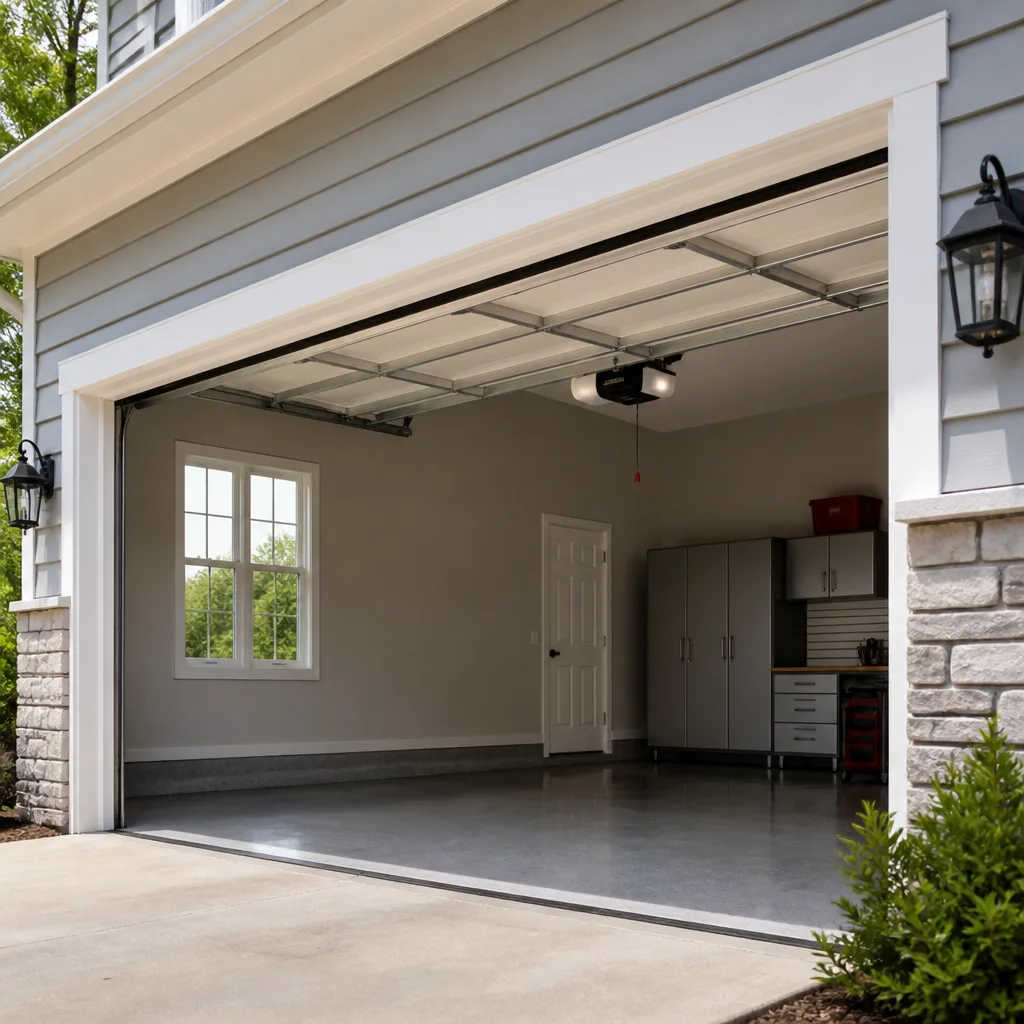 Chamberlain openers
Full 25-point door and opener safety check with every visit - springs, cables, rollers, tracks, and your LiftMaster or Chamberlain opener included
You get a price before we start. It does not change when the pro arrives.
Get your free estimateGarage Door Warning Signs: A Washington Heights Homeowner’s Reference Guide
A garage door that hesitates for two seconds before it moves isn’t just annoying. It’s the opener’s motor telling you the springs are losing tension and it’s compensating with torque it wasn’t built to sustain. Most homeowners hear the noise, see the shudder, and wait. That waiting is what turns a spring replacement into a snapped cable, a bent track, or a car trapped inside on a work morning. This guide maps the symptoms you can actually observe to the components behind them, so you can describe what’s happening accurately and judge how fast you need to act. We’ll walk through the sounds, the visual red flags, the manual disconnect test that separates opener trouble from door trouble, and the two signs that mean stop using the door now. Everything here is written for Washington Heights homeowners who live with their garage door daily.
Styles & brands we work with
- Raised-panel steel
- Carriage house
- Modern flush
- Full-view glass
- LiftMaster openers
- Chamberlain openers
Quick Answer
The main warning signs of a failing garage door are grinding or popping sounds during operation, a door that moves in jerks or hesitates before traveling, visible gaps or fraying on the cables, a torsion spring with a clear break in its coil, and rollers that wobble or scrape. Any of these means the door needs professional attention, and two of them – a broken spring or a visibly damaged cable – mean stop operating the door immediately and call before the next cycle.
Table of Contents
- The Symptom-to-Component Diagnostic Table
- What Each Sound Is Telling You
- Visual Red Flags: Springs, Cables, Rollers, and Tracks
- The Manual Disconnect Test: Opener or Door?
- Slow on Cold Mornings Only vs. Slow Every Day
- The Two Signs That Mean Stop Using the Door
- How to Prioritize: Repair Now, Repair Soon, Watch It
- Common Mistakes to Avoid
- When to Call a Professional
- Frequently Asked Questions
- The Bottom Line
The Symptom-to-Component Diagnostic Table
Before you call anyone, match what you’re hearing and seeing to the hardware most likely causing it. This table is the fastest way to describe your problem to a technician, and accurate description cuts diagnostic time on the first visit. We’ve built this list from the calls that come in most often across Washington Heights.
- Loud bang, like a gunshot, then the door won’t lift – torsion spring failure. The bang is the coil releasing stored tension. Stop using the door.
- Grinding or growling while the door moves – worn or dry rollers, or a failing opener gear and sprocket assembly.
- Rhythmic popping or clicking – a loose or misaligned track, or a torsion spring that’s cracked and slipping under load.
- Metal scraping against metal – a roller that’s come out of its track, or a bent track section rubbing the door edge.
- Rattling that’s louder on one side – a loose hinge, a partially backed-out bolt, or a worn roller stem.
- Stuttering or jerking mid-travel – spring tension out of balance, or a binding track.
- Squealing or high-pitched whine from the ceiling unit – opener motor straining, often against failing springs.
- Door reverses before it touches the floor – travel limit setting off, or a safety sensor misaligned.
- Door opens a foot and stops – opener force limit tripping because the door is binding mechanically.
Notice how many of these point to the springs. On a torsion system, the springs carry the door’s full weight – an opener rated for a 150-pound door under normal tension is handling far more once that tension drops. That’s why a slowing door so often traces back to springs rather than the motor. If you’re hearing more than one symptom at once, describe all of them; multiple signals usually mean one root cause with a cascade.
What Each Sound Is Telling You
Garage doors fail loudly before they fail completely. Learning to read the noise is the single most useful skill in this guide. Here’s what each category usually means.
Grinding
Grinding is friction where there should be rolling. The usual culprits are nylon or steel rollers that have worn flat, dry hinge pivots, or on older openers, a stripped plastic gear in the drive assembly. Rollers are cheap parts; the labor to replace a set is modest, and doing it early prevents the track damage that comes from running on dead rollers for months.
Popping
A single sharp pop at the start of travel is often a torsion spring with a partial fracture that snaps into a new position under load. Repeated pops during travel point to a track with a kink, or a cable riding off its drum. Either way, the door is no longer running true, and true-running matters more on a two-car door than a single.
Scraping
Scraping means something is dragging. A roller popped out of the track, a bent section of horizontal track, or the door panel itself rubbing the jamb. If you can see daylight where the door meets the frame, the door may be out of square, which will wear out rollers and hinges fast if left alone.
Squealing
High-pitched squeal from the ceiling unit is the opener’s motor or gearbox, not the door. It often shows up alongside a door that’s gotten heavier to lift, which means the motor is fighting a mechanical problem. Fixing the door usually resolves the noise. Ignore it and you’ll eventually be replacing an opener that was working fine.
Visual Red Flags: Springs, Cables, Rollers, and Tracks
Walk out with a flashlight and look at four areas. Ten minutes of inspection tells you more than an hour of listening.
Torsion and Extension Springs
On a torsion spring – mounted on the shaft above the door – look for a gap of an inch or more in the coil. That gap is a break, full stop. On extension springs – running along the horizontal tracks on either side – look for stretched coils, visible gaps, and whether the safety containment cable runs through the center of each spring. A stretched spring that’s lost its arch is on its way out even if it hasn’t broken yet.
Cables
The cables run from the bottom corners of the door up to the drums. A healthy cable is taut, straight, and wound neatly on its drum. Frayed strands, a cable with slack in it, or one that’s jumped the drum are all stop signs. A cable under tension that fails can whip – this is the specific hazard behind the safety warning below.
Rollers and Hinges
Look at each roller. It should be round, seated in the track, and turn freely. Flat spots, cracked nylon, or a roller sitting at an angle mean replacement. Hinges should be snug with no visible gap at the knuckle.
Tracks
Sight down each track from the door opening. It should be straight and parallel to its partner. Dents, kinks, or tracks that have pulled away from the jamb are the source of most scraping and popping.
A safety note that matters: torsion springs and the cables attached to them are under extreme tension at all times. A spring that looks simple to unhook or adjust can release stored energy without warning. We never recommend homeowner adjustment of springs or cables, and no honest technician should. Visual inspection from a safe distance is fine. Anything involving a tool on those components belongs to a trained professional.
If your inspection turns up a problem, our Garage Door Repair Washington Heights team handles diagnostics and repairs across the neighborhood, and we work on virtually every major brand – Genie, Clopay, Amarr, Wayne Dalton, LiftMaster, Chamberlain, Craftsman, and Raynor included.
The Manual Disconnect Test: Opener or Door?
This is the most useful five minutes you’ll spend before calling anyone, and it answers the question that determines who you need and what parts get ordered.
- Close the door fully and unplug the opener from its ceiling outlet. Safety first – no power while you’re handling the door.
- Pull the red emergency release handle hanging from the opener trolley. You’ll hear the trolley disconnect from the door arm.
- Lift the door by hand, slowly, to about waist height. A properly balanced door should lift with one hand and hold position when you let go.
- Interpret what you feel. If the door is heavy to lift, drops when you release it, or rises on its own, the problem is mechanical – springs, cables, or track. If the door moves easily and stays balanced, the door is fine and the problem is in the opener, the sensors, or the wiring.
- Reconnect before restoring power. Push the door back down, pull the release cord again to re-engage the trolley, and plug the opener back in.
In our experience, roughly the opposite of what homeowners expect happens: they call about the opener and the actual fault is a spring that’s quietly lost tension over months. If the test points to the opener, garage door opener repair is the right call. If it points to the door, you’re looking at spring or mechanical work – and you should stop operating the door until it’s assessed.
Slow on Cold Mornings Only vs. Slow Every Day
These are two different problems, and treating them as one leads to replacing parts that don’t need replacing.
Slow Only When It’s Cold
Cold thickens the lubricant in the rollers and hinges, and stiffens the door’s weather seal. Metal contracts slightly, which tightens clearances. A door that’s a little sluggish for the first cycle on a cold morning and fine afterward is usually showing you two fixable things: lubrication that’s overdue, and a door that’s near the edge of its balance spec. A proper tune-up – fresh lubricant on hinges, rollers, and springs, plus a balance adjustment – typically resolves it. In Washington Heights, where winters bring real cold snaps and older buildings often have unheated garages, this pattern is common.
Slow Every Day, Year-Round
Consistent slowness in any weather points to spring tension loss, a binding track, or an opener running near its force limit. None of those fix themselves, and all of them get worse. Spring tension loss also accelerates: as the spring weakens, the opener works harder, and the extra load wears the opener’s gear assembly faster.
What’s Different in Our Housing Stock
A lot of the garages in Washington Heights sit under pre-war buildings or in older detached structures, and many doors are heavier than what’s installed in newer construction. Heavier doors put more load on springs and openers from day one, which means the warning signs show up earlier and matter more. If your door is original to an older building, treat any new symptom as urgent rather than a wait-and-see.
The Two Signs That Mean Stop Using the Door
Two conditions warrant stopping operation of the door immediately, before the next cycle.
- A visible break in a torsion spring, or a loud bang followed by a door that won’t lift. The door’s weight is now unsupported. Operating it risks the opener pulling the door out of the track or a cable failing under the full load.
- A frayed, slack, or off-drum cable. A cable under tension that snaps can cause serious injury. Do not operate the door, and don’t try to re-seat the cable yourself.
In both cases, leave the door where it is, keep cars clear of the opening, and call for service. A door stuck in a partially open position also leaves the garage unsecured, which is a security concern in a dense neighborhood. Emergency garage door service exists for exactly this – when your door won’t open or won’t close, we treat it as urgent, because it is. Call (833) 968-8233 and we’ll get a technician out.
How to Prioritize: Repair Now, Repair Soon, Watch It
Not every symptom is an emergency. Here’s how we sort them, so you can decide with a clear head.
Repair Now
- Broken torsion or extension spring
- Frayed, slack, or off-drum cable
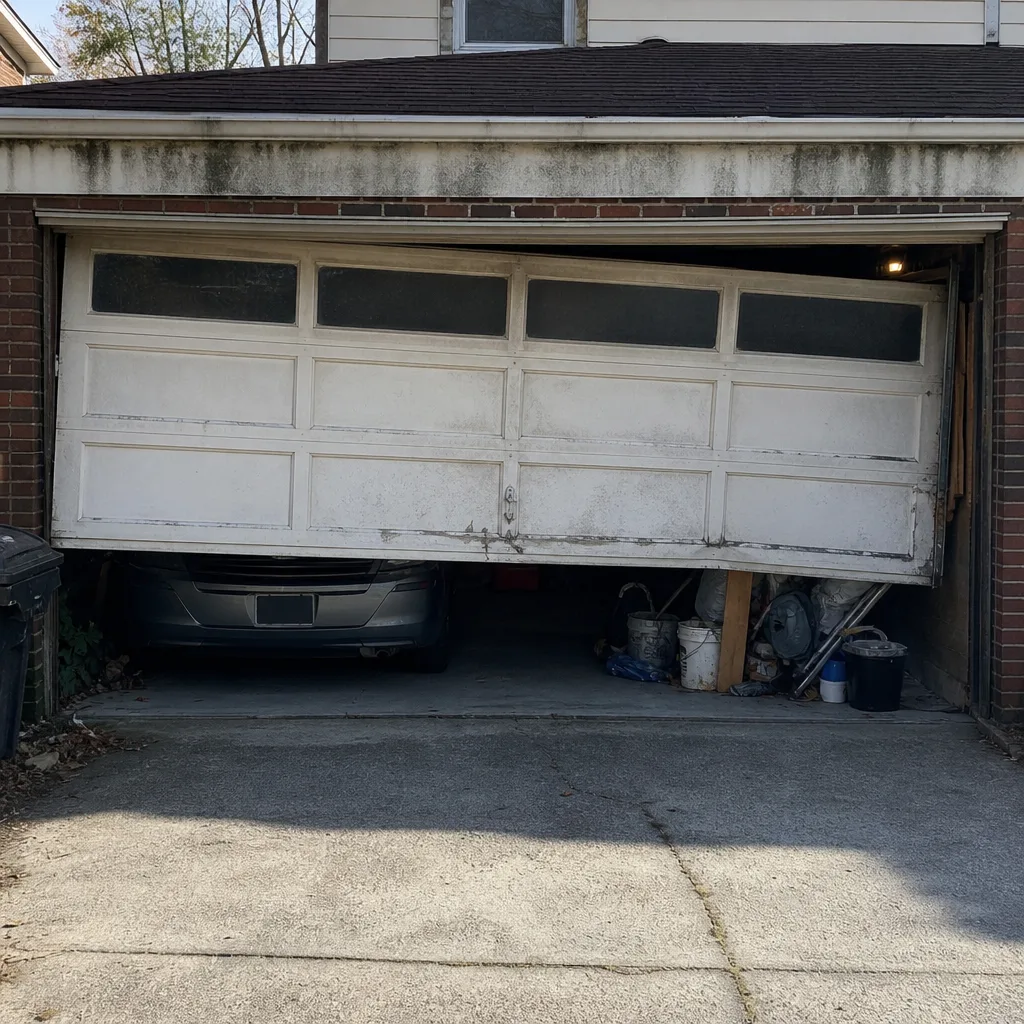
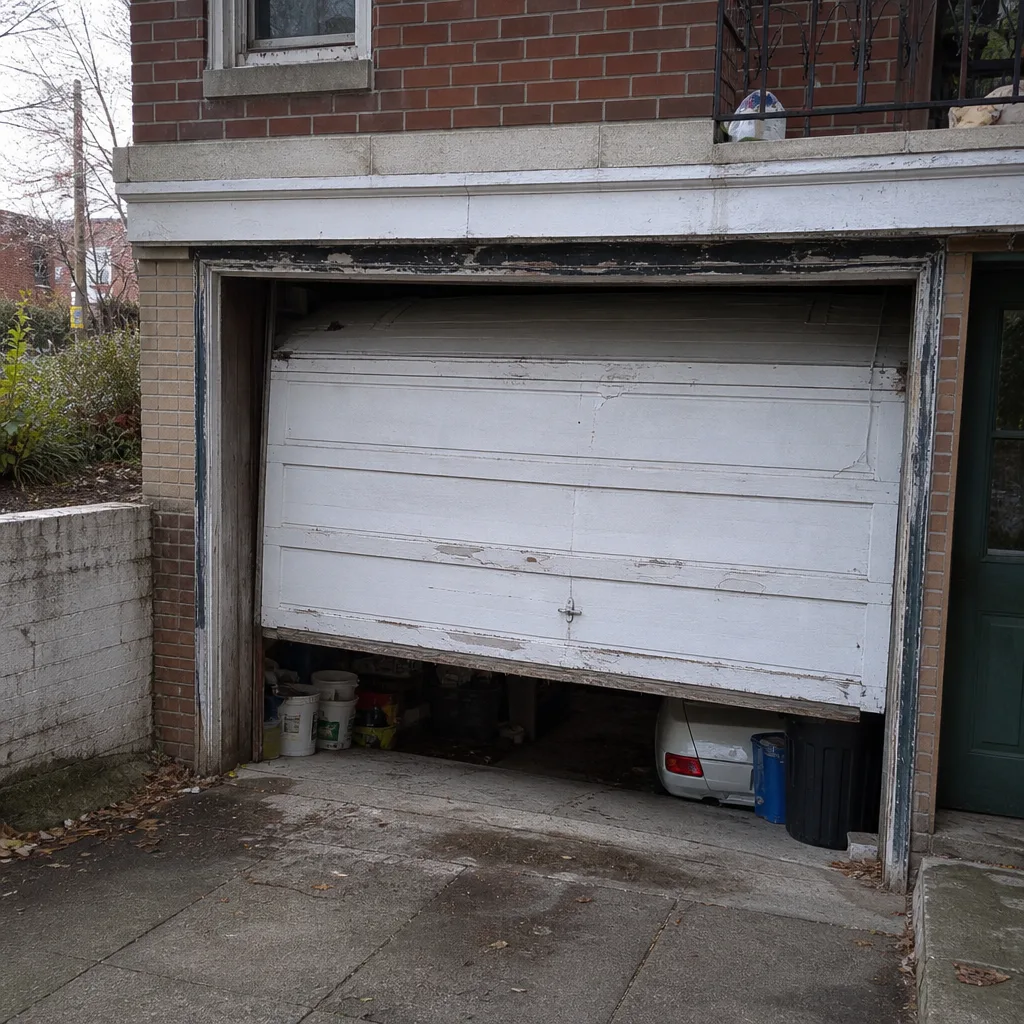
- Door off its track or hanging unevenly
- Door reverses or won’t close at all
- Opener motor runs but the door doesn’t move
Repair Soon (Within the Week)
- Grinding or squealing during operation
- Door that jerks, stutters, or hesitates
- Rollers with flat spots or cracks
- Visibly bent track section
- Opener that reverses before touching the floor
Watch It
- Occasional single squeak, addressed with lubrication
- A door that’s slightly slower in cold weather only
- Cosmetic dents in panels that don’t affect travel
Watching is not the same as ignoring. If a “watch it” item changes – louder, more frequent, or joined by a new symptom – it moves up a category. We cover the full lifecycle from repair to garage door installation, so if a door is genuinely at the end of its life, replacing it is a conversation you can have with the same team.
Common Mistakes to Avoid
- Greasing the tracks. Tracks need to stay clean and dry so the rollers can roll. Lubricant on the track attracts grit and causes the grinding you were trying to fix. Lubricate the hinges, roller bearings, and spring coils instead.
- Adjusting the opener’s force setting to fix a heavy door. Turning up the force limit hides a mechanical problem and pushes the motor past its design. It’s one of the fastest ways to turn a spring repair into an opener replacement.
- Replacing one spring of a matched pair. A torsion system on a two-spring door is a matched pair sharing the load. Replacing one leaves the other at the end of its life and likely to fail within months. A matched pair is usually replaced together, so budget for a pair rather than one spring.
- Assuming it’s the opener when the door won’t move. Run the manual disconnect test first. It saves you from paying for an opener repair you didn’t need.
- Waiting out a loud bang. In a pre-war Washington Heights building, a door that won’t lift is also a door that may be stuck open, leaving the garage exposed. Call the same day.
- Buying a new door to fix a repair problem. A door that’s noisy, slow, or off-balance is usually a hardware issue, not a panel issue. Get a diagnosis before you price a replacement.
- Letting a general handyman handle spring work. Springs and cables are the highest-risk parts of the system, and a generalist who handles dozens of home systems may not have the tools or the training for them. A specialist is the safer call.
When you do call, mention the brands on your door if you know them. Our technicians have up to 13 years of experience and are trained on LiftMaster, Chamberlain, Genie, Clopay, Amarr, Wayne Dalton, Craftsman, and Raynor, so there’s no learning curve on the parts that matter. If you need garage door repair, we can scope the job from your description before anyone arrives.
When to Call a Professional
Call us when you see a broken spring gap, a frayed or slack cable, a door that’s off its track, or a door that reverses and won’t close. Call the same day when a loud bang means the door won’t lift – that’s the emergency case. Call when the manual disconnect test shows a door that’s heavy to lift or won’t hold its position – that’s mechanical. And call when you’ve got a grinding or popping symptom that’s getting worse rather than staying steady. Garage Door Repair Washington Heights offers free estimates in Washington Heights – call (833) 968-8233.
Frequently Asked Questions
Spring repair typically runs $180 to $340 for a single torsion spring, and a matched pair is usually replaced together, so a pair runs about twice that range. Extension spring work sits in a similar band. Prices are estimates and the written quote sets the final price – we agree the price with you before any work starts. Call (833) 968-8233 for an exact quote – estimates are free.
Yes, in many cases. A door that won’t open or won’t close traps a car or leaves a home unsecured, so we treat it as urgent and offer emergency garage door service. Call early and we’ll do our best to get a technician to you the same day. Call (833) 968-8233.
No. We quote and agree the price before any work starts, so what you approve is what you pay. If we find something different once we’re on site, we discuss it and get your agreement before doing anything else. Call (833) 968-8233 for a free estimate.
The local professional who performs the work is licensed and insured as their state requires. Our technicians are trained on eight major brands, and our team specializes in spring work – torsion and extension both – because that’s the highest-risk part of the system. Call (833) 968-8233 with any questions.
Run the manual disconnect test. Unplug the opener, pull the red release handle, and lift the door by hand. A door that’s easy to lift and holds position points to the opener; a door that’s heavy or drops points to the springs, cables, or track. If the door is the issue, don’t keep operating it. Call (833) 968-8233 for a diagnosis.
A little sluggishness on the first cycle of a cold morning is normal and often traced to thickened lubricant and a stiff weather seal. A door that’s slow every day, in any weather, is not normal – that points to spring tension loss or a binding track. Call (833) 968-8233 if the slowness is consistent.
The Bottom Line
Your garage door tells you what’s wrong before it fails – if you know what to listen and look for. Grinding means friction, popping means a spring or a kinked track, scraping means something’s off its path, and a heavy door almost always means lost spring tension. Run the manual disconnect test to separate opener trouble from door trouble, watch for cold-only slowness versus everyday slowness, and treat a broken spring or damaged cable as a stop-now situation. Repair early, describe symptoms accurately, and you’ll get the fix right the first time. When you’re ready, call (833) 968-8233 for a free estimate.
Written by the team at Garage Door Repair Washington Heights.
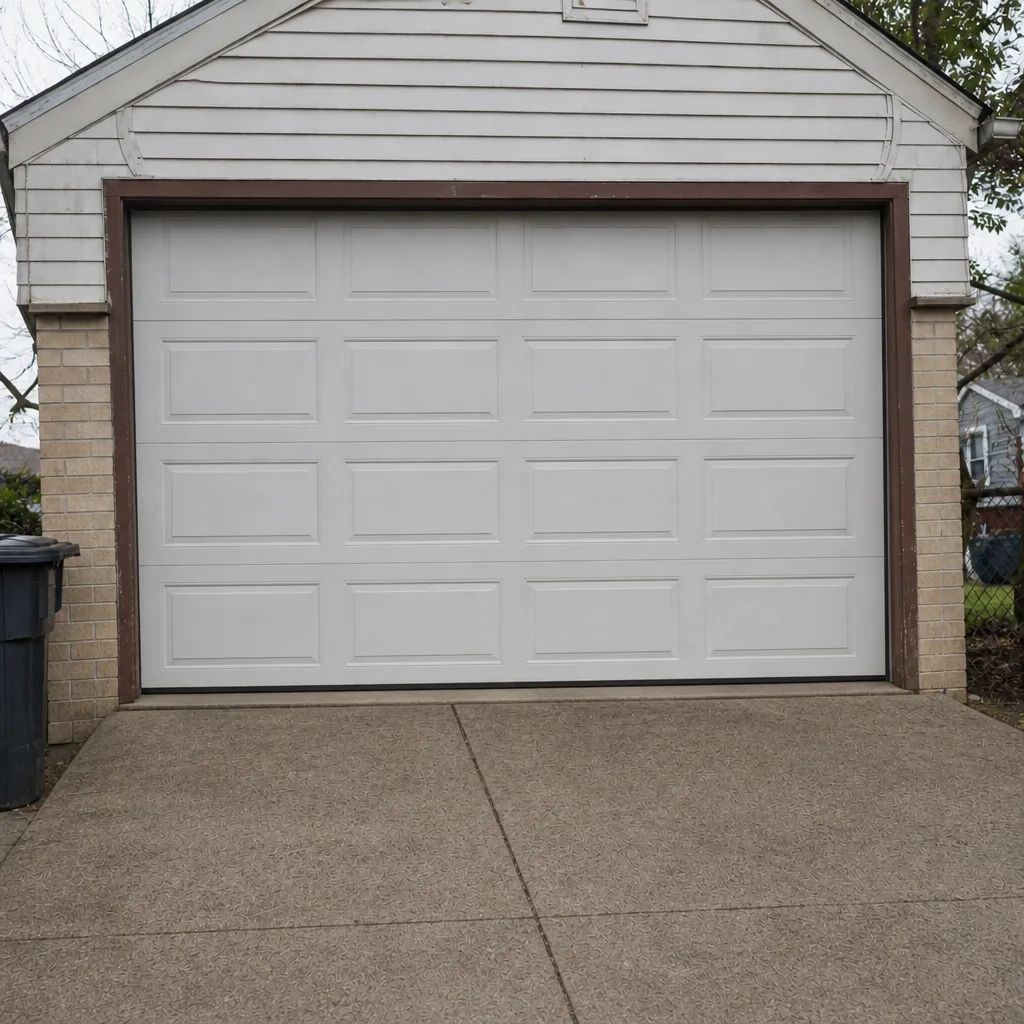
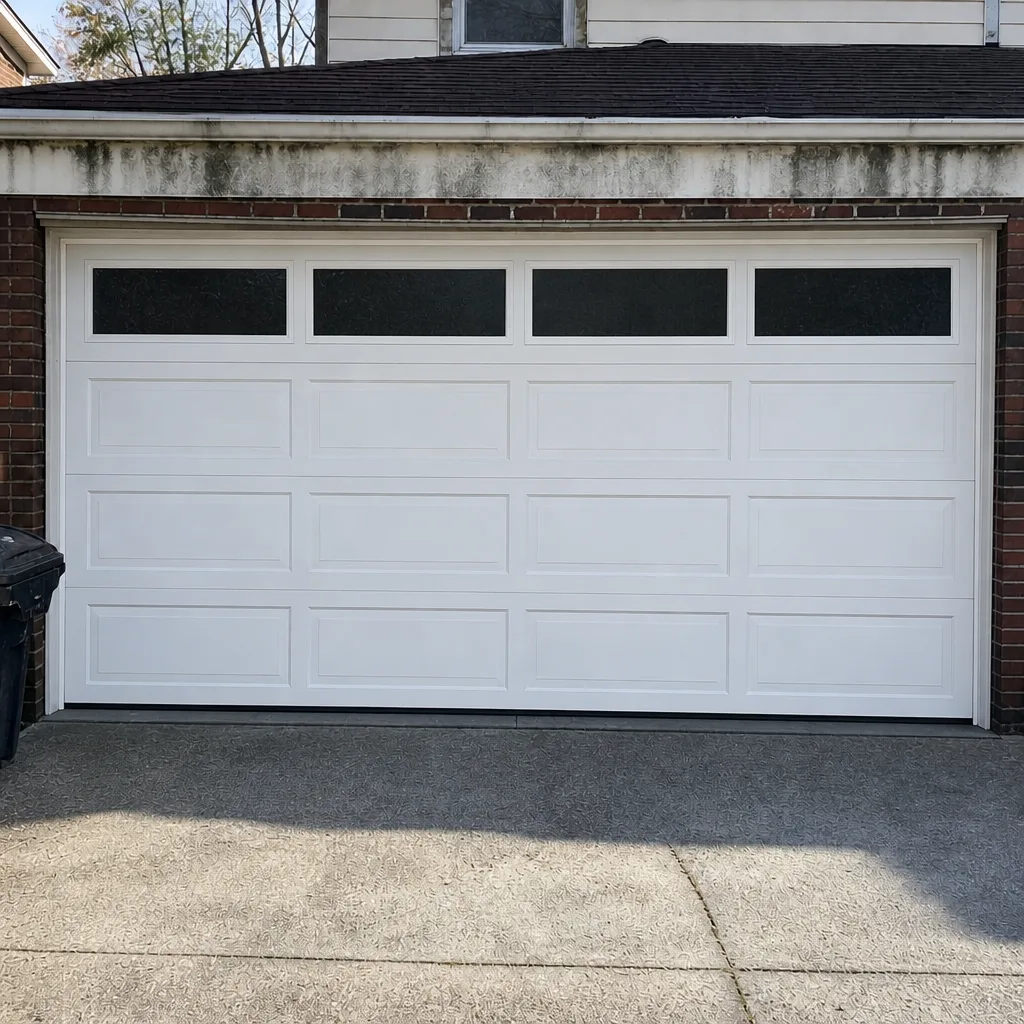
See the difference
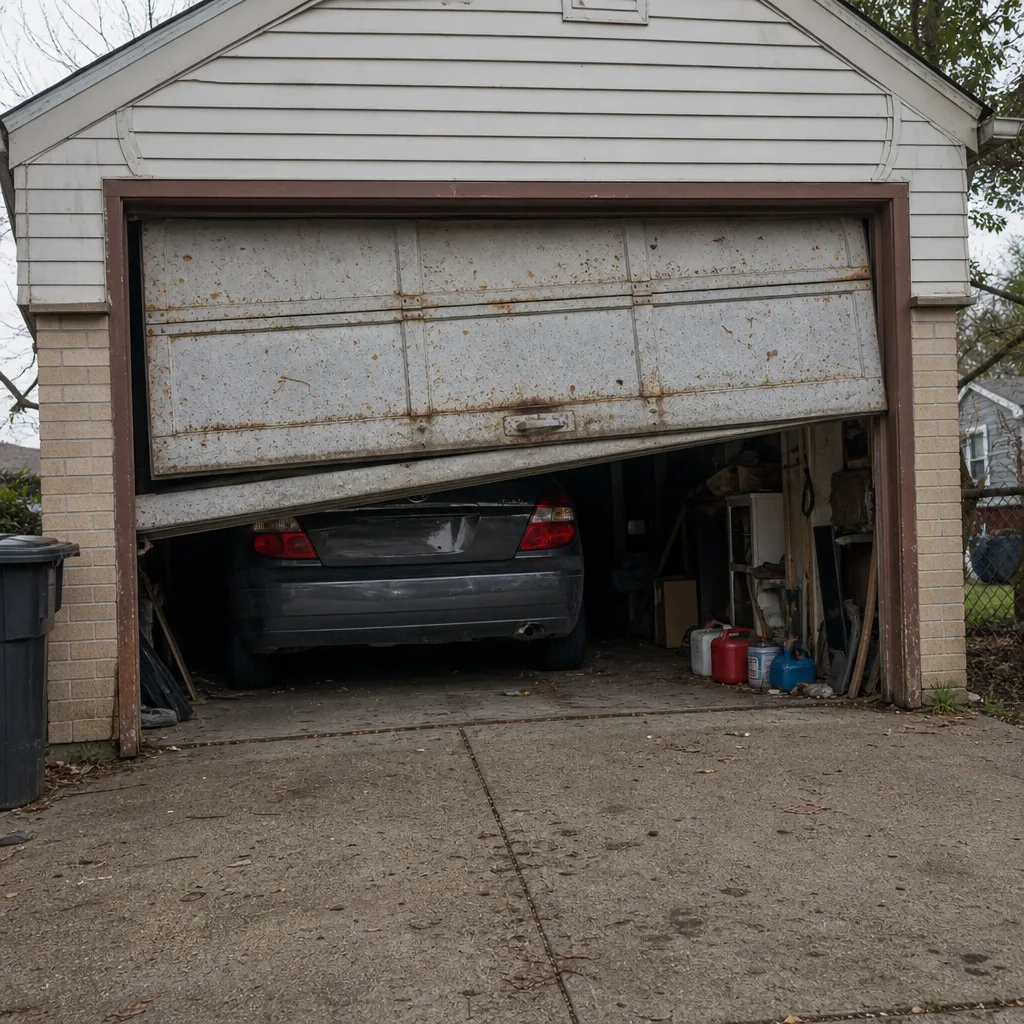 Before
 After
 Before
 After
 Before
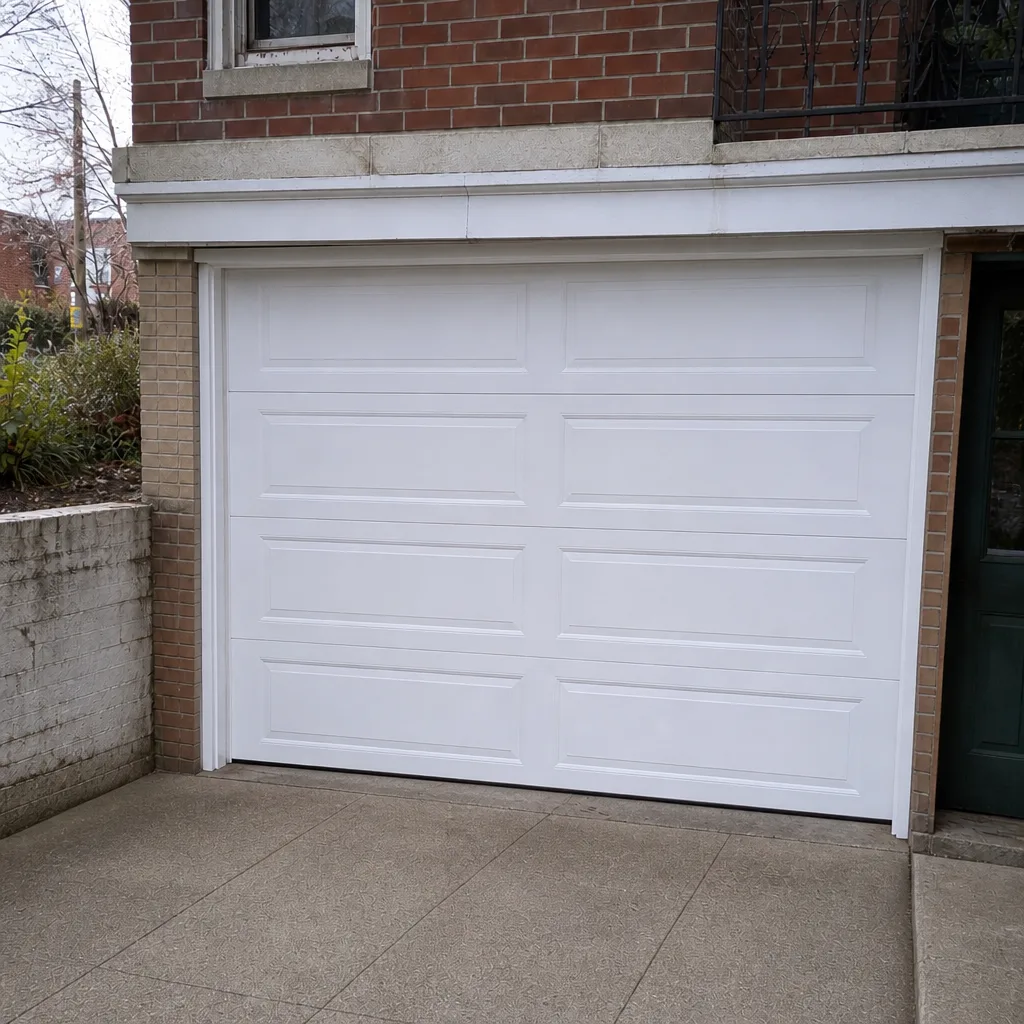 After