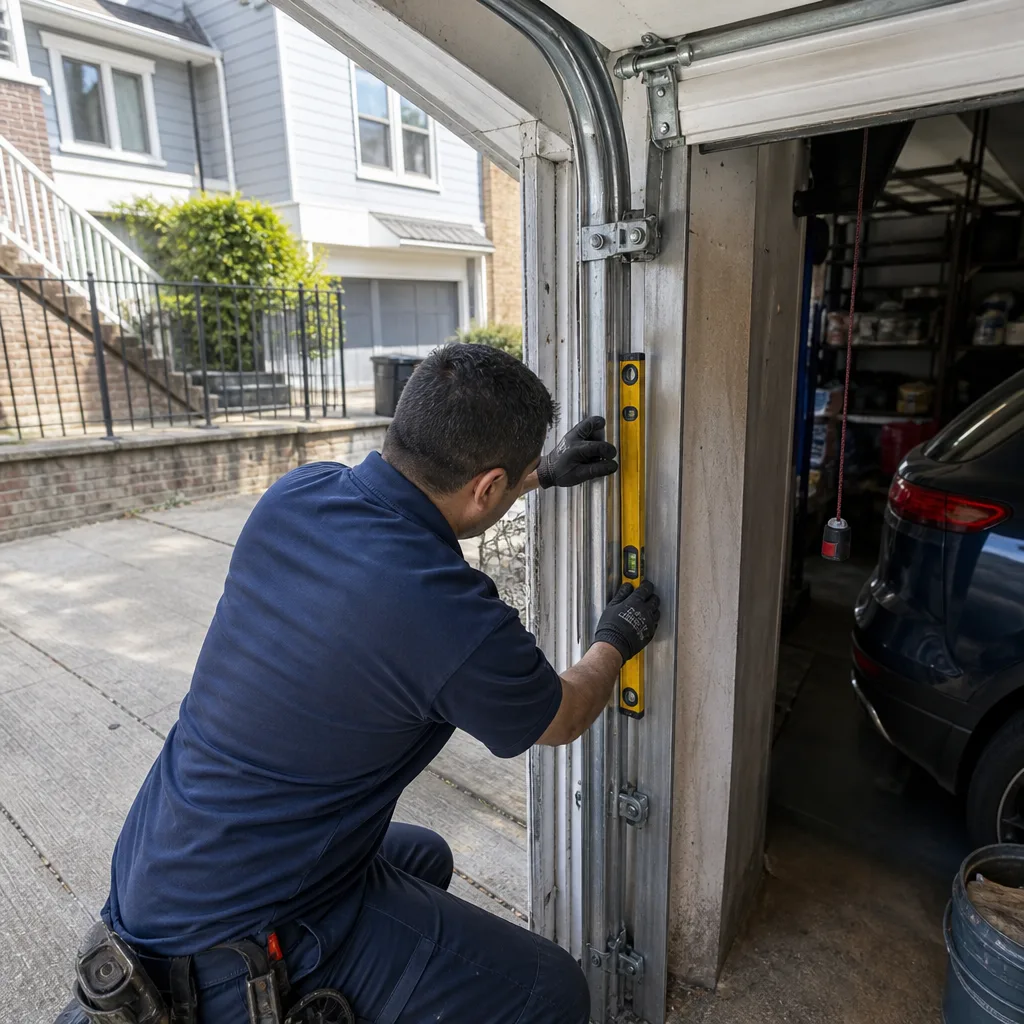
Last updated November 21, 2026
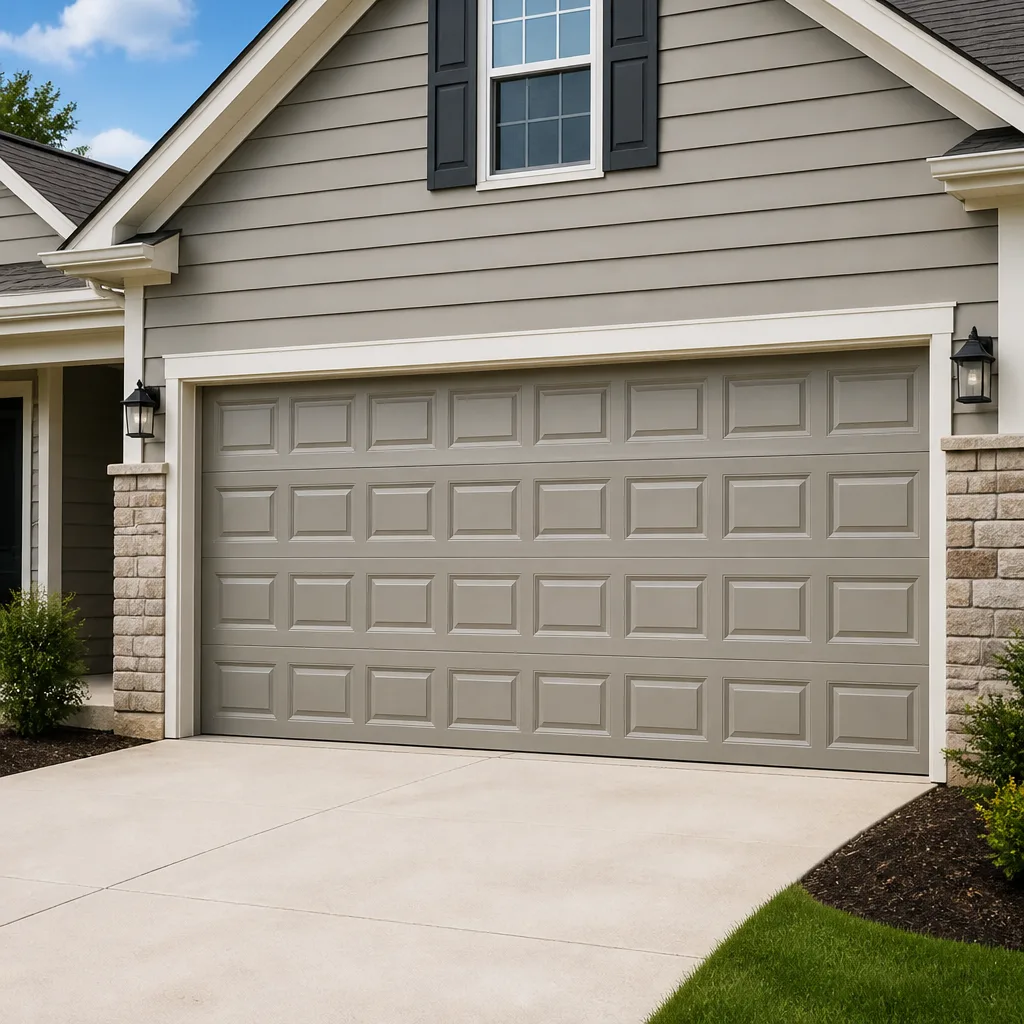 Raised-panel steel
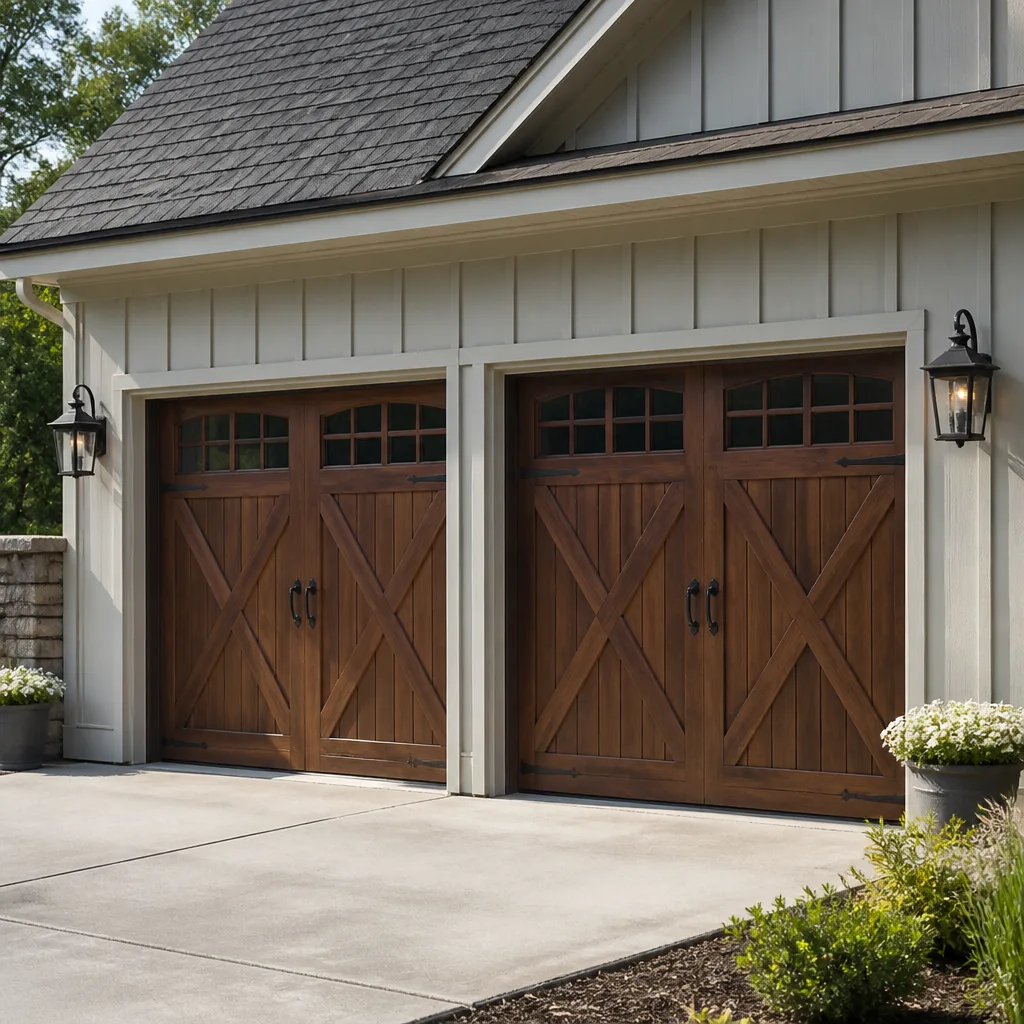 Carriage house
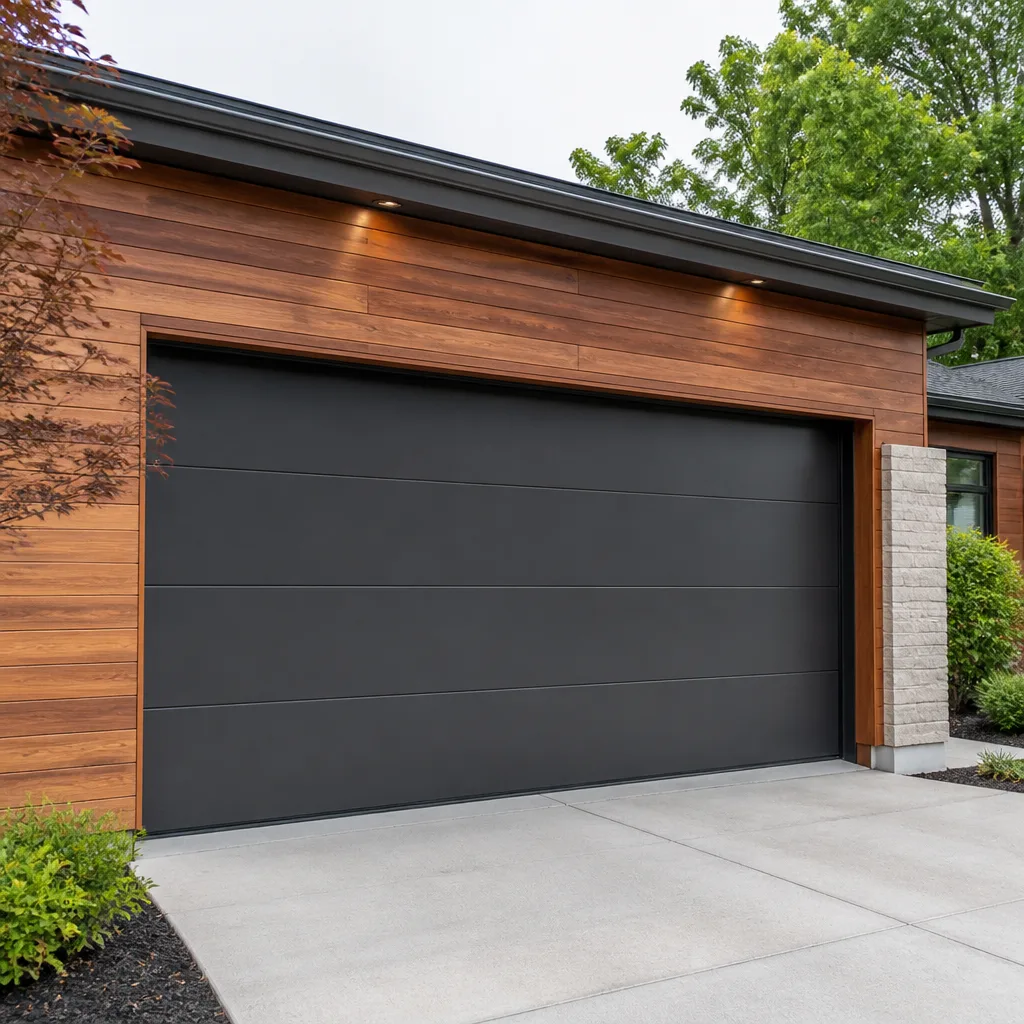 Modern flush
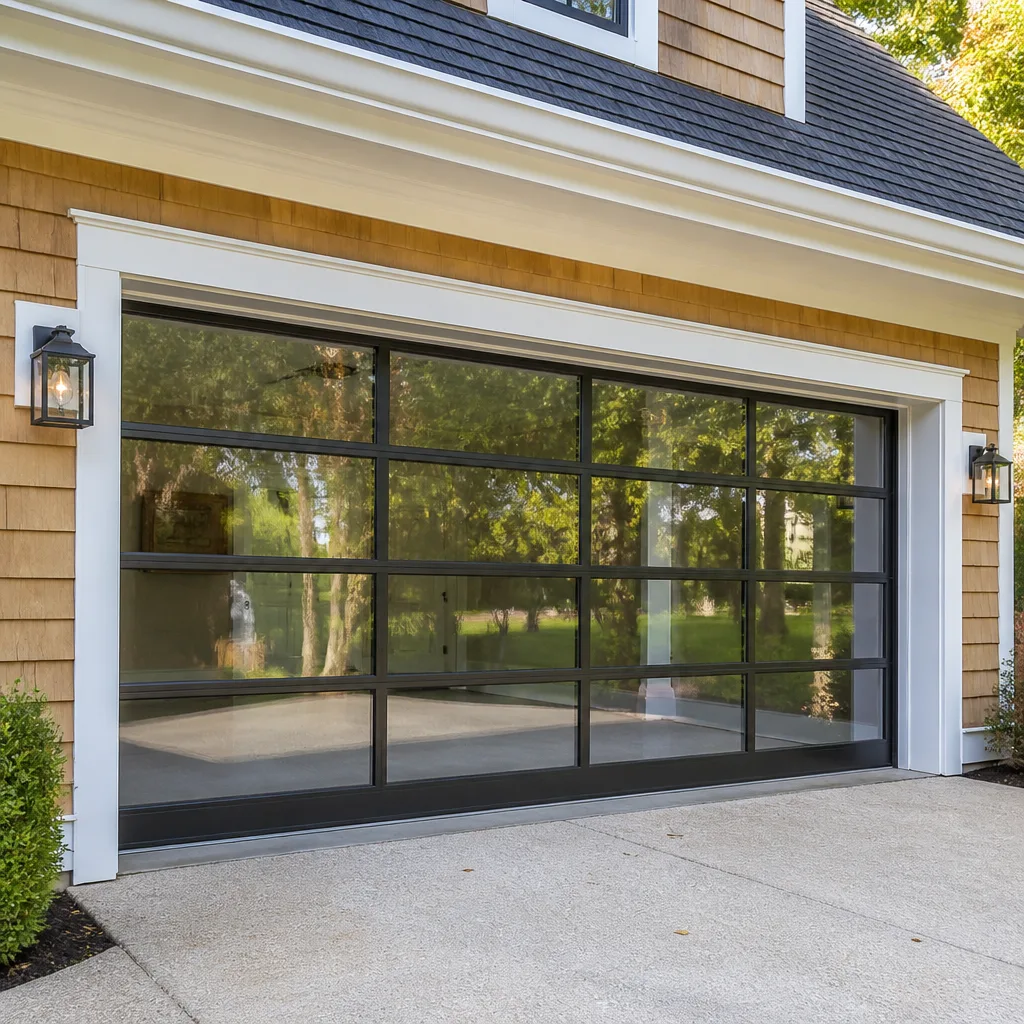 Full-view glass
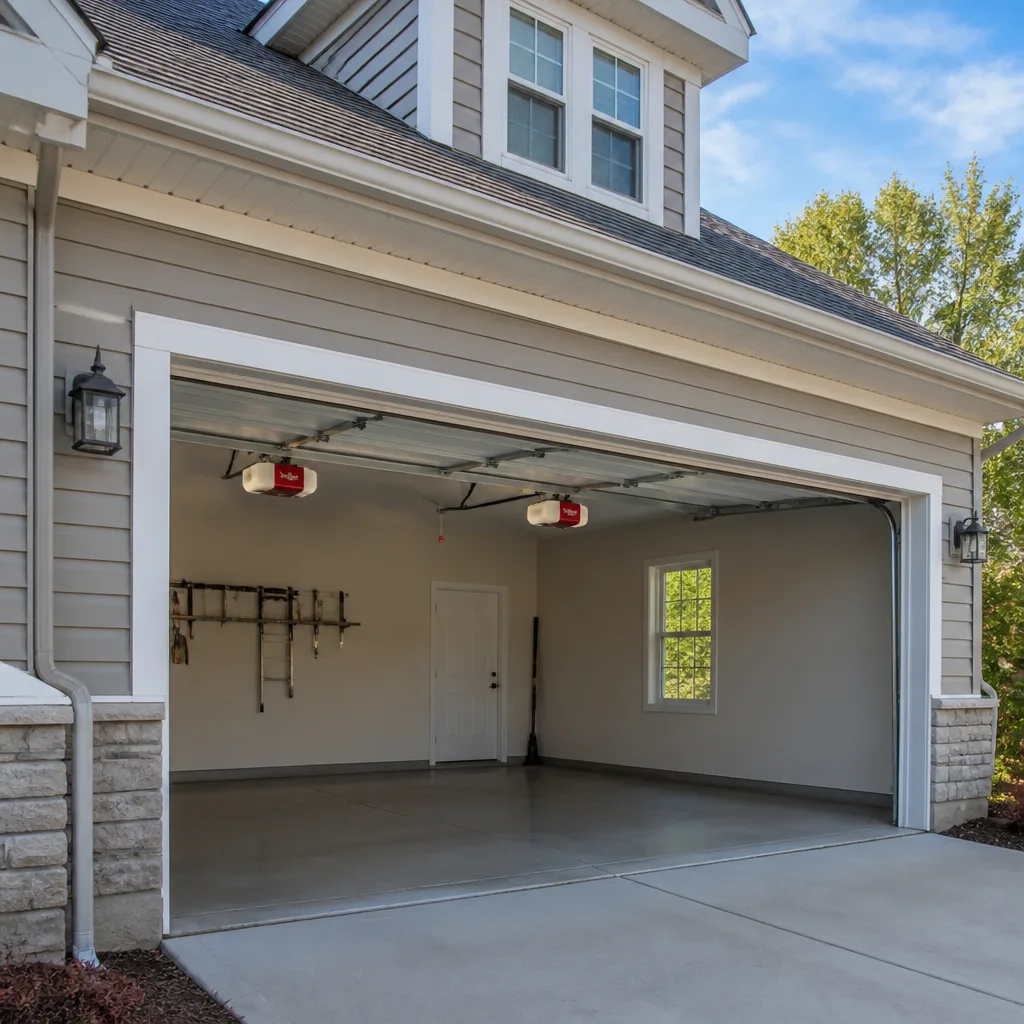 LiftMaster openers
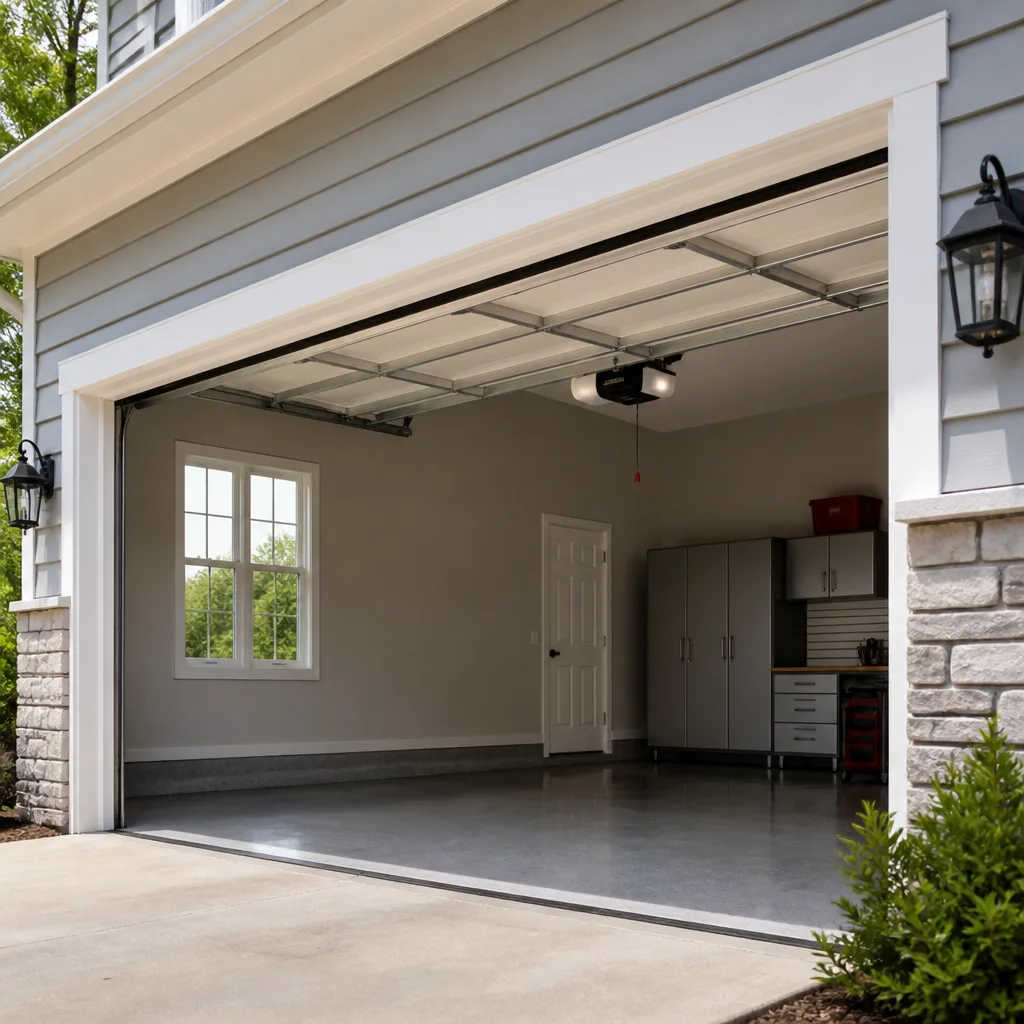 Chamberlain openers
Full 25-point door and opener safety check with every visit - springs, cables, rollers, tracks, and your LiftMaster or Chamberlain opener included
You get a price before we start. It does not change when the pro arrives.
Get your free estimateThe Complete Guide to Garage Doors in Washington Heights
Most garages in Washington Heights were never designed for a modern sectional door, and that single fact reshapes nearly every decision a homeowner faces here. The prewar buildings that line so many blocks went up when cars were smaller and doors swung or slid rather than stacked in panels; postwar infill brought tighter lots and lower headers. What works in a suburban ranch rarely fits cleanly into a converted carriage house off a narrow side street. This guide walks through the real pressures specific to Washington Heights: clearance constraints, street-facing exposure, opener noise, board approvals, and the material choices that hold up to our humidity and temperature swings. By the end, you’ll know what to measure, what to ask, and when a repair beats a replacement.
Quick Answer
Garage doors in Washington Heights usually fail for one of three reasons: a worn torsion or extension spring, an opener at the end of its life, or a door built for a header clearance the building can’t actually provide. Spring repair typically runs $180 to $340 for a single spring, a matched pair costs roughly twice that, and a new door installation depends heavily on custom sizing for older buildings. Getting a free measure and a written quote before any work begins is the single most important step, because odd clearances and narrow lots change the price more than the door style does.
Styles & brands we work with
- Raised-panel steel
- Carriage house
- Modern flush
- Full-view glass
- LiftMaster openers
- Chamberlain openers
Table of Contents
- How Prewar and Postwar Construction Affects Door Sizing and Clearance
- Street-Facing vs. Alley-Access Garages
- Why Opener Noise Matters More Here
- Material Choices for Washington Heights Weather and Pollution
- Navigating Co-op and Condo Board Approval
- Repair or Replace: How to Decide
- What Garage Door Work Costs in Washington Heights
- Springs, Cables, and Safety
How Prewar and Postwar Construction Affects Door Sizing and Clearance
The age of your building quietly dictates what door will fit. The prewar buildings that define much of Washington Heights often have low overhead clearance, uneven framing, and openings that aren’t square. Postwar construction brought tighter lot lines and garages built into the side of a building, sometimes sharing a wall with a neighbor. Both affect the same three measurements, and none of them can be guessed from a photo.
Before you shop for a door, understand the numbers that matter:
- Header clearance: the vertical space above the opening. A standard sectional door needs enough room for the top panel to clear the track curve. Older buildings sometimes lack it, which pushes you toward a low-headroom track or a different door type entirely.
- Side room: the horizontal space beside the opening for the vertical track. A garage wedged against a property line may have almost none on one side.
- Backroom: how far the door travels inward when open. A shallow garage can’t accommodate a full horizontal track.
This is where a specialist earns their keep. The local pro we connect you with measures your actual opening, header, and side room before recommending anything, so the price you’re quoted reflects the real constraint rather than a standard size that won’t fit. If your building has a tight header, that’s a conversation to have before you fall in love with a particular door style. Our technicians have up to 13 years of experience reading these constraints in older buildings.
Street-Facing vs. Alley-Access Garages
Where your garage sits on the block shapes both the door you should buy and how you maintain it. A street-facing garage in Washington Heights takes the full force of road dust, exhaust, and weather on its face. An alley-access garage deals with moisture from poor drainage, tighter maneuvering room, and less air movement to dry things out. Neither is better or worse, but they call for different priorities.
For street-facing doors, the front-facing finish matters most: powder-coated steel resists grime and cleans easily, while a wood-composite face needs more attention to stay presentable. Street exposure also means the door is visible, so curb appearance carries weight with neighbors and boards.
For alley-access garages, drainage and clearance top the list. Standing water at the threshold accelerates corrosion at the bottom panel and the hinges. Alley access also means drivers back in with less margin, so a door with impact-resistant panels and properly aligned tracks holds up better. If you’re in a rear-lot setup, check that the tracks stay clear of the turning path. A bent bottom section from a bad approach is one of the most common repairs we see in the tighter blocks.
Either way, the fix is often the same: have the local pro measure, inspect drainage at the threshold, and match the door and track to the way you actually use the space. A garage door installation done without that step tends to develop problems within the first year.
Why Opener Noise Matters More Here
Opener noise counts for far more in Washington Heights than it does in the suburbs. Attached garages share walls with living space. Detached garages sit close to neighboring windows. In a dense block, a chain-drive opener at an early hour can travel further than you’d expect. Choosing a quieter opener isn’t a luxury here; it’s basic courtesy and often a practical need.
Here’s how the three main drive types compare on noise:
- Chain-drive: the loudest and most common. Durable and simple, but the metal-on-metal contact carries. Fine for a detached garage away from bedrooms; a poor fit when the garage sits under or beside living space.
- Belt-drive: noticeably quieter, using a rubber belt instead of a chain. The usual recommendation when the garage shares a wall with a bedroom or a neighbor’s unit. Costs a bit more than chain.
- Jackshaft (wall-mount): mounts on the wall beside the torsion bar instead of overhead, which frees up ceiling space and reduces overhead vibration. Well suited to low-clearance garages and where quiet matters.
Brand matters less than drive type and installation quality. A belt-drive unit from LiftMaster or a well-installed jackshaft from Raynor will run quieter than a chain unit hung loosely on a rickety rail. When we handle garage door opener repair, we also check the mounting, because a quiet opener on a noisy installation still rattles the whole block.
One practical note: if noise is your main concern, ask the local pro to recommend a drive type that fits your building’s clearance and your wall-sharing situation, not just the cheapest unit in stock.
Material Choices for Washington Heights Weather and Pollution
The climate here is hard on doors in a specific way: humid summers, sharp temperature swings, and a steady dose of urban air pollution from traffic. None of that is unusual, but it does narrow the smart choices. A material that shrugs off dry heat or dry cold can struggle with the cycle of swelling humidity and quick drops that mark the year here.
Here’s how the main options hold up:
- Steel: the workhorse. Powder-coated steel resists humidity, cleans off street grime, and holds its shape through temperature swings. It’s also the most budget-friendly and the easiest to repair or replace a single section. For most Washington Heights homes, steel is the sensible default.
- Aluminum: lighter and rust-resistant, which helps in a humid setting. Good for larger openings because the weight stays manageable, but it dents more easily, so an alley-access garage with close maneuvering needs care.
- Wood composite: looks the part on a carriage-style door and handles humidity better than solid wood, which is prone to swelling and rot through our wet, variable seasons. Keep in mind that any wood-faced door needs periodic refinishing to stay ahead of moisture.
Brand coverage helps here too. Clopay and Amarr both build steel doors across a range of styles, and a specialist who works on virtually every major brand can match you to the door that fits your opening rather than steering you to whatever a big-box installer happens to stock. The right call depends on exposure, clearance, and how much upkeep you want to take on.
Navigating Co-op and Condo Board Approval
Many Washington Heights buildings are co-ops or condos, and replacing a garage door often means getting the board on board before you spend a dollar. Boards care about consistent appearance, noise, and structural questions, and a door that changes the look of a building’s frontage can trigger a review even when it’s technically your garage. Going through the process in the right order saves weeks.
A sensible sequence looks like this:
- Read your building’s rules on exterior changes. Many co-op and condo documents spell out what needs approval, from door color to panel style. Find the exact clause before anything else.
- Get the specifications first. A written measure and a clear description of the door’s material, color, and style give the board something concrete to evaluate instead of a vague request.
- Submit the request with a drawing or spec sheet. Boards respond better to specifics. Include dimensions, finish, and how the door will look from the street.
- Note any noise impact. If you’re upgrading to a quieter belt-drive or jackshaft opener, mention it. Noise reduction is often a point in your favor with neighbors.
- Schedule the install after approval is in hand, not before. A door that arrives ahead of permission sits in the way and creates friction.
The local pro can provide the measurement and product details the board needs. If you’re coordinating a shared or building-wide upgrade, a specialist who deals in garage door repair and replacement regularly can help you present a clear, consistent proposal.
Repair or Replace: How to Decide
Homeowners here often ask whether a problem is a repair or a replacement, and the honest answer depends on the door’s age and the rest of the system. A single broken spring on an otherwise sound door is a repair. A door that’s been patched repeatedly, with failing panels and stretched tracks, usually isn’t worth another fix. The math favors replacement when several parts are wearing out at once.
Consider repair when:
- The door is otherwise solid and one component failed (a spring, a cable, a roller, a hinge).
- The opener works and the door’s balance and hardware are in decent shape.
- The panels and framing are intact, with no rot or serious corrosion.
Consider replacement when:
- The door is nearing the end of its service life and multiple parts are failing.
- Panels are dented, rusty, or delaminating beyond a single section.
- You’re facing repeated opener problems on an old unit.
- The clearance or sizing never matched the opening to begin with, so repairs keep fighting the building.
When in doubt, get a free measure and a written assessment. That’s what turns a guess into a decision, and it’s the same whether you end up with a small fix or a full new door. A specialist who works on eight major brands, from Wayne Dalton to Craftsman, can often repair what others would replace, and will tell you plainly when replacement makes more sense.
What Garage Door Work Costs in Washington Heights
Prices here reflect city labor rates and the reality of older buildings: a job that fits cleanly in a newer garage may take longer in a prewar one. The ranges below are typical estimates, not promises, and the written quote you receive after a measure is the number that counts. Every job is quoted and agreed before any work starts, so there’s no surprise when the invoice arrives.
| Service | Typical Estimated Range |
|---|---|
| Torsion or extension spring repair (per single spring) | $180 – $340 |
| Matched spring pair (usually replaced together) | About double the single-spring range |
| Opener repair | Quoted per job after diagnosis |
| New opener installation | Quoted per job, belt or chain drive |
| New door installation | Quoted after measure; custom sizing affects price |
| Emergency service | Quoted before work begins |
Two things drive the price up faster than anything else in Washington Heights: custom sizing for a non-standard opening and extra labor to work around tight clearances. A door that needs a low-headroom track or shallow backroom costs more than a standard replacement, and that’s why the measure comes first. If you’re weighing a full replacement, our garage door repair work often identifies whether a smaller fix will carry you further than you think. When it’s time for a new door, the range depends on style and material, and the written estimate sets the final price.
Springs, Cables, and Safety
Torsion and extension springs store tremendous energy, and they’re the single most dangerous part of any garage door system. When a spring breaks, the door can come down hard or the cables can snap under load. This is not a job for a homeowner with a ladder and a set of wrenches, no matter how straightforward the videos make it look.
Warning signs that mean stop and call a professional:
- A loud bang from the garage, followed by a door that suddenly feels heavy or won’t lift.
- A visible gap in a spring coil.
- Cables that look frayed, loose, or off their drums.
- The door binding, jerking, or drifting down when partly open.
Leave the door closed and call. Spring replacement done safely is a specialist’s job, and it’s one of the high-risk repairs our technicians handle regularly. The same caution applies to opener repairs near the electrical supply and to anything involving the door’s balance. If a spring lets go, don’t try to force the door open. Call (833) 968-8233 and we’ll get someone out to assess it.
Common Mistakes to Avoid
- Ordering a standard door before measuring the opening. Prewar and postwar buildings here rarely have standard clearances, and a door ordered by nominal size often won’t fit. Measure the header, side room, and backroom first.
- Replacing one spring of a matched pair. Springs are replaced as a pair because they wear at the same rate; leaving one old spring behind usually means a second call sooner than you’d like. A pair costs about twice a single spring, and that’s the honest way to budget.
- Choosing the loudest, cheapest opener in a shared-wall building. A chain-drive unit hung close to a bedroom wall will make itself known. In Washington Heights, a belt-drive or jackshaft opener is often the better fit.
- Skipping the co-op or condo board. Starting installation before reading your building’s rules can mean a door that has to come back out. Get approval first, then schedule.
- Ignoring alley drainage. Standing water at a rear-lot threshold rusts the bottom section and hinges. Check drainage before blaming the door.
- Treating a snapped spring as a DIY fix. This is the most dangerous part of the system. Call a professional rather than risk injury.
- Buying on price alone from a generalist. A handyman who does doors on the side often misses clearance and balance problems a specialist catches on the first visit.
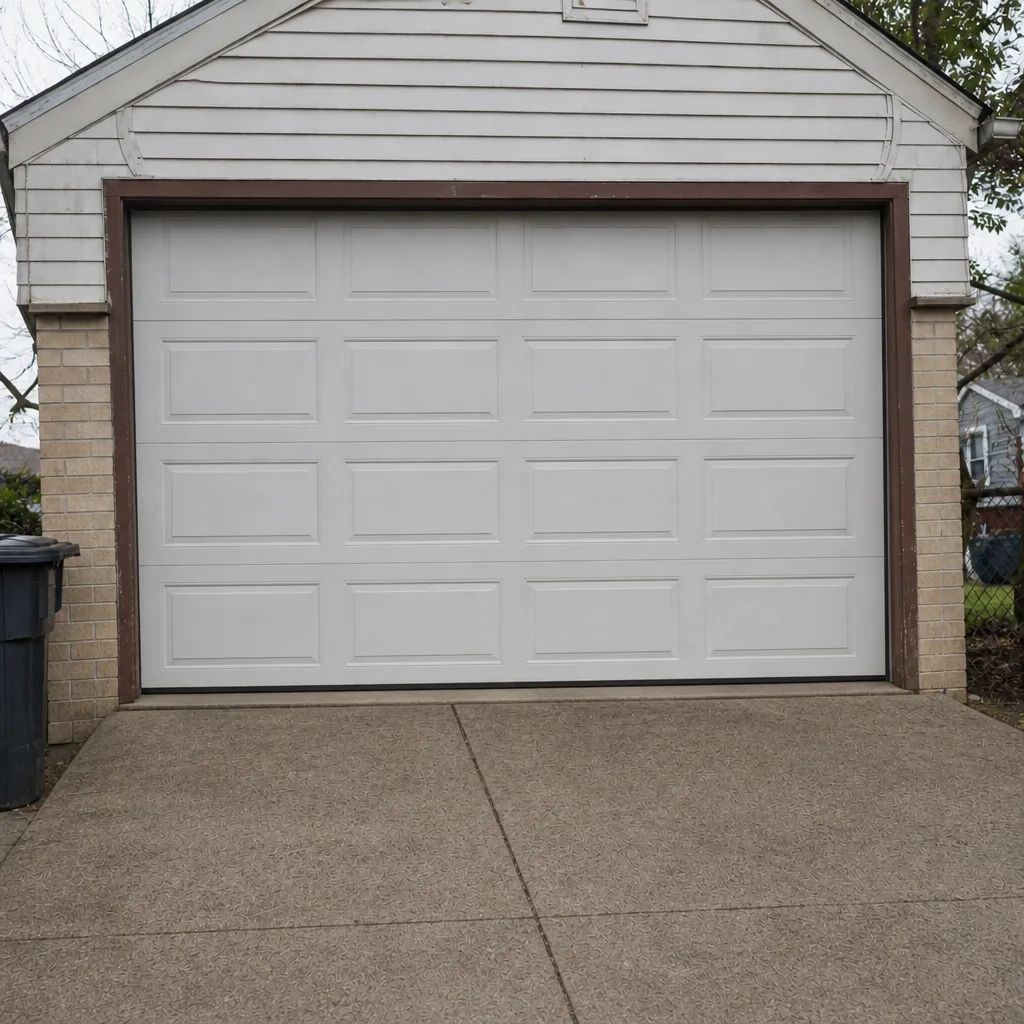
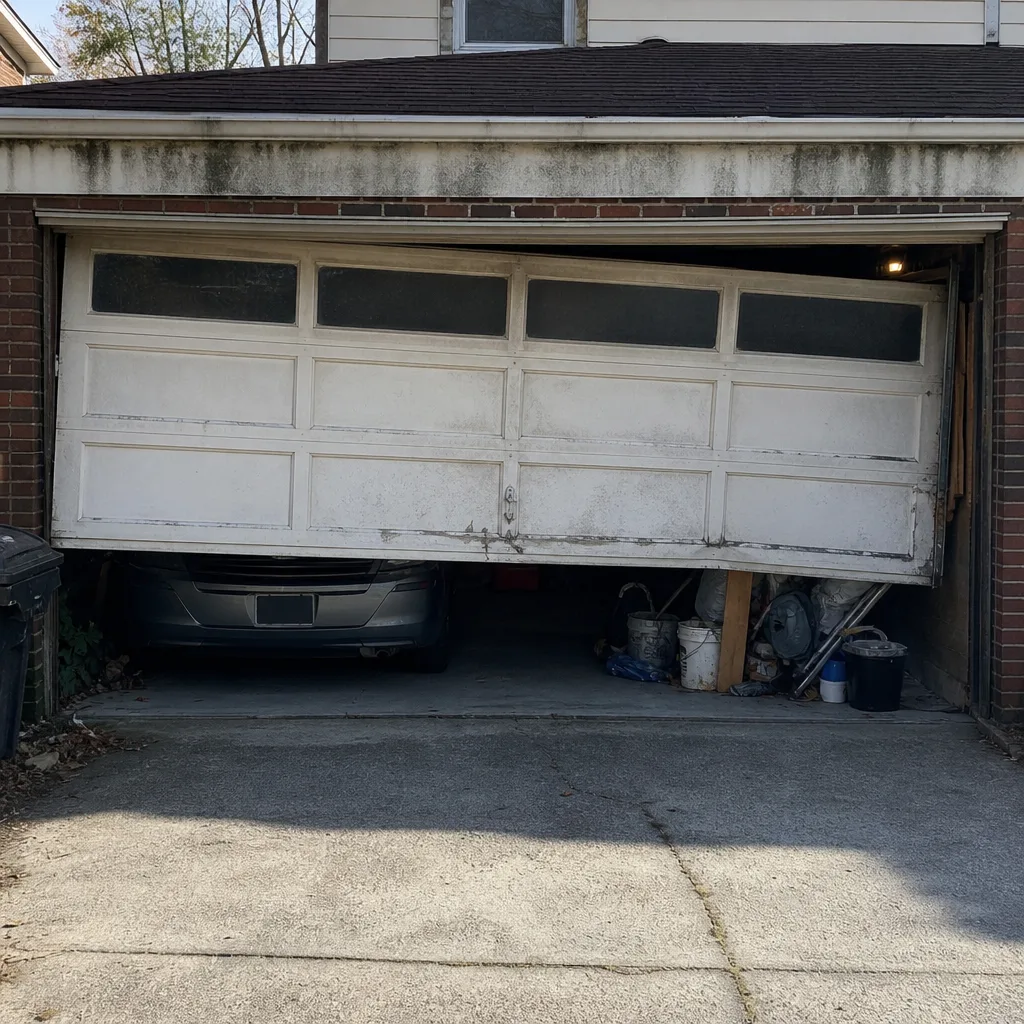
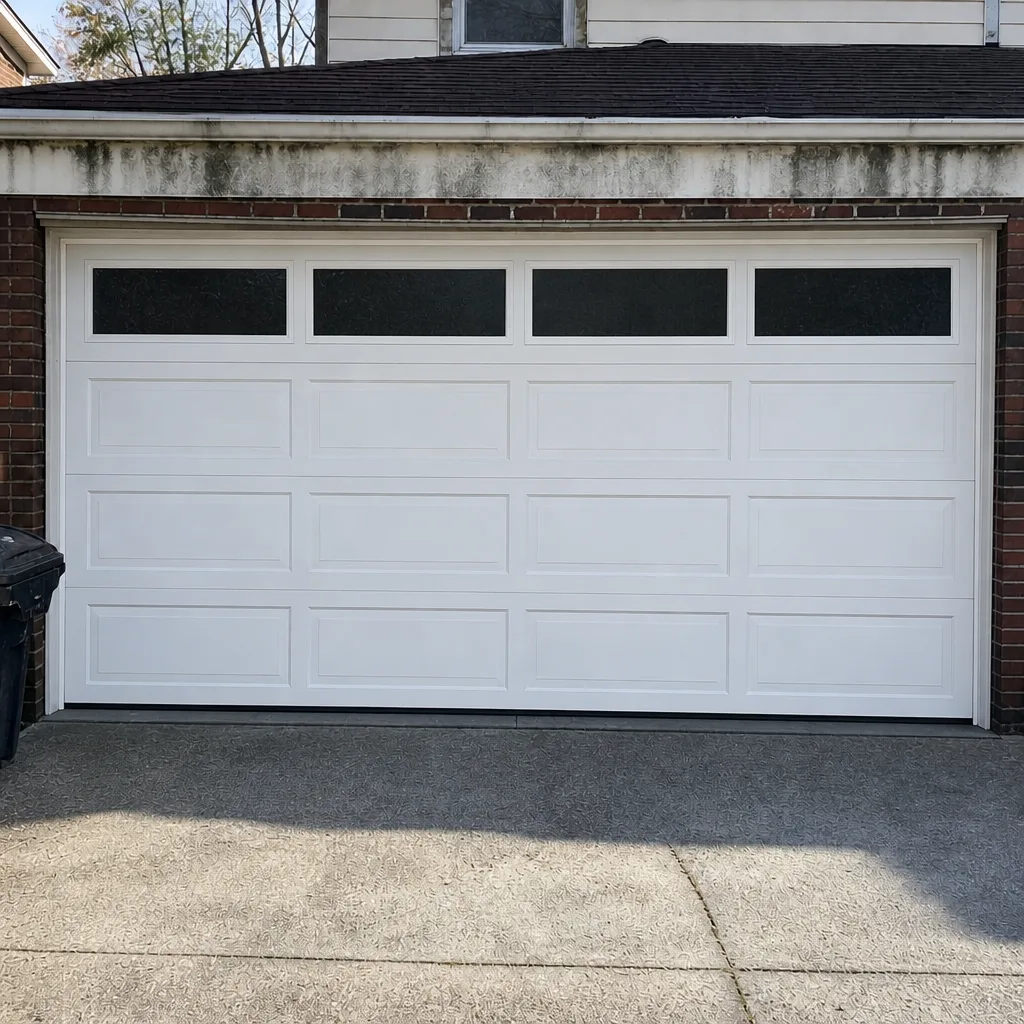
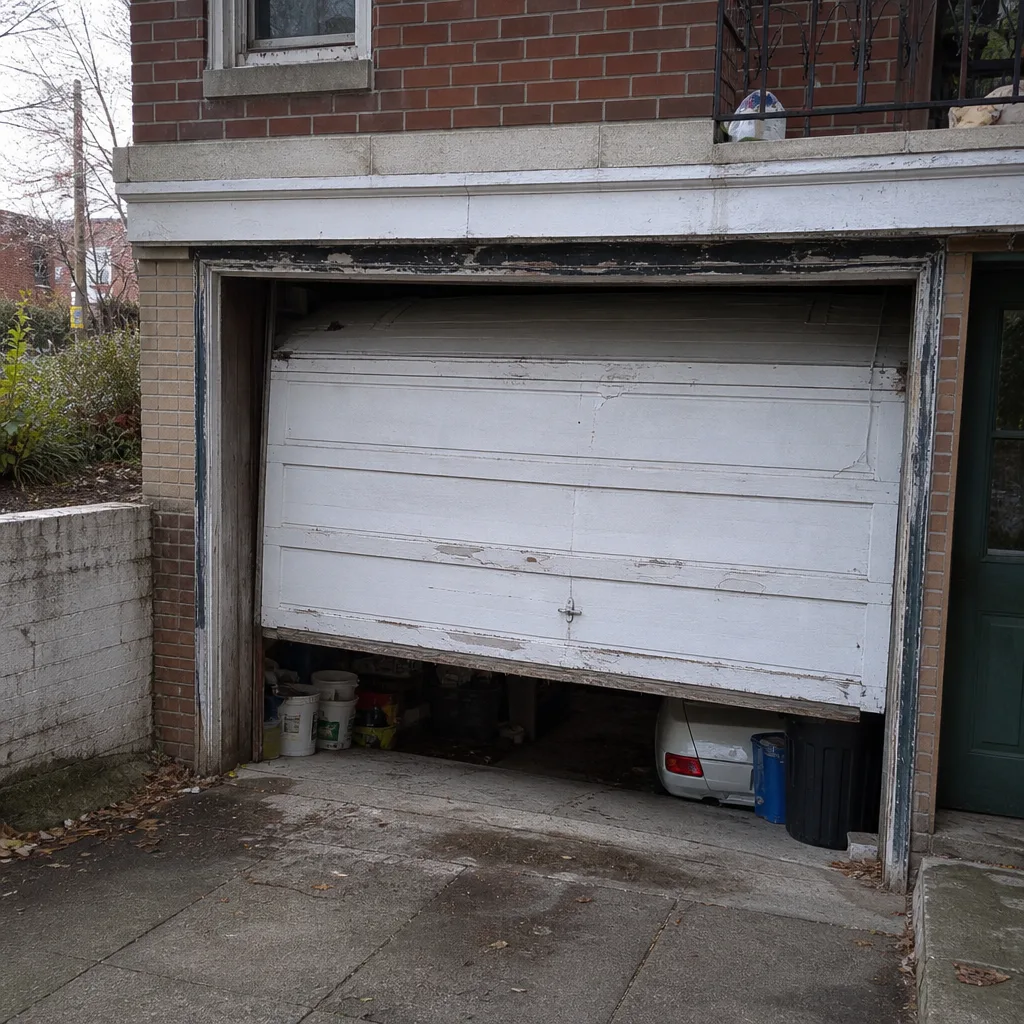
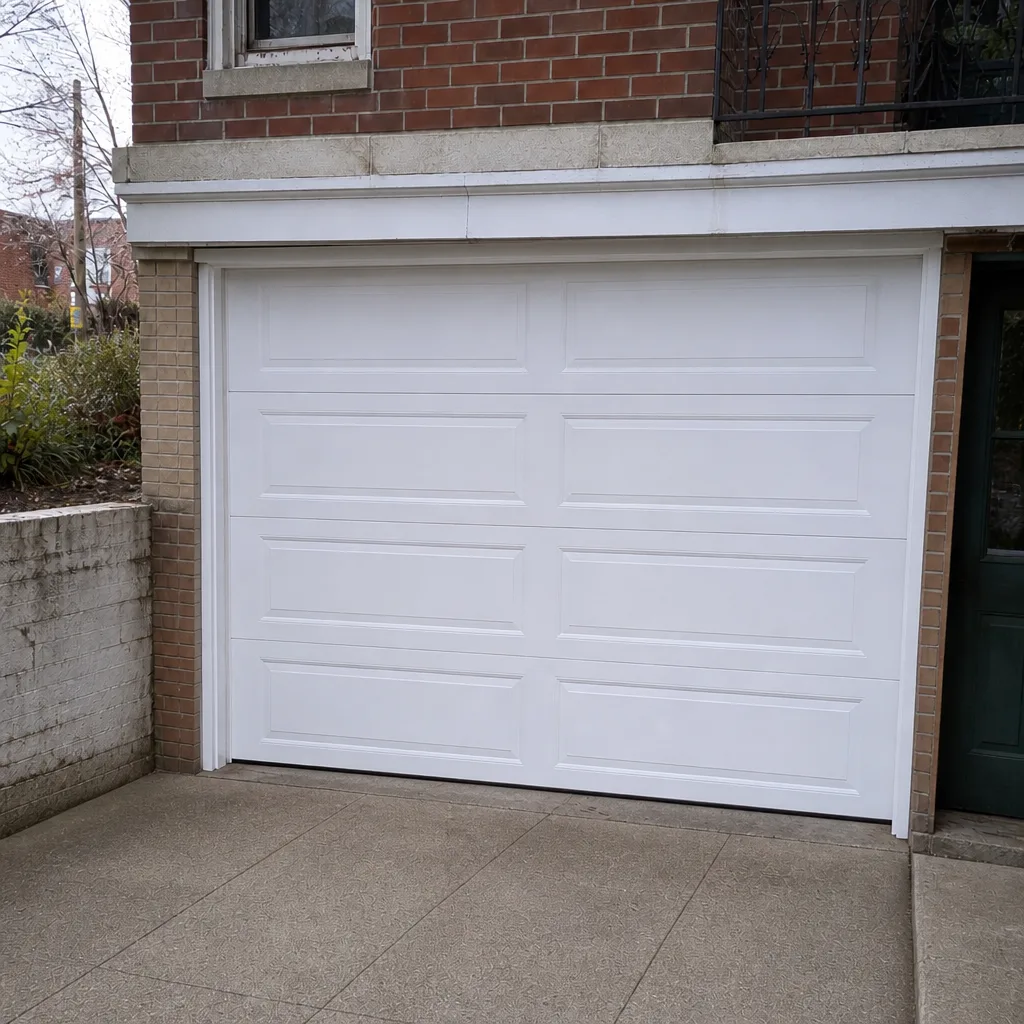
See the difference
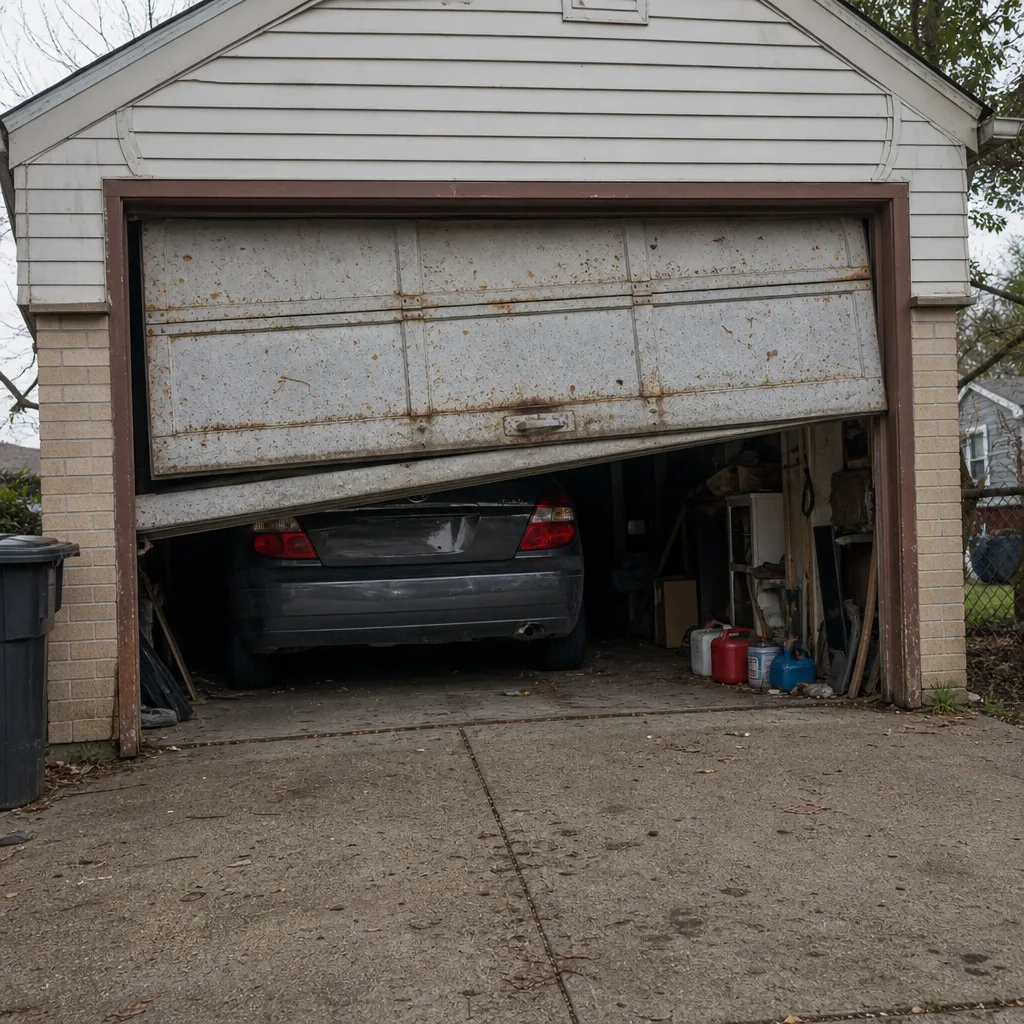 Before
 After
 Before
 After
 Before
 After
When to Call a Professional
Call a professional the moment a spring breaks, a cable frays, or the door won’t open or close safely. Call when the opener grinds, reverses for no reason, or the door feels heavier than it used to. Call before you order a new door, so the measure reflects your actual clearance. And call when a co-op or condo board needs specifications before it will approve a change. Garage Door Repair Washington Heights offers free estimates in Washington Heights – call (833) 968-8233. We work on virtually every major brand, including LiftMaster, Chamberlain, Genie, Clopay, Amarr, Wayne Dalton, Craftsman, and Raynor, and emergency service is a core part of what we do because a failed door can’t always wait for a scheduled appointment. Our technicians have up to 13 years of experience, and the price is quoted and agreed before any work starts.
Frequently Asked Questions
Spring repair typically runs $180 to $340 for a single spring, and a matched pair costs about twice that. Opener repairs and other jobs are quoted per job after diagnosis, and the written estimate you receive sets the final price. Call (833) 968-8233 for an exact quote – estimates are free.
When a door won’t open or won’t close, we treat it as urgent because it is, and emergency service is a core offering. A stuck door can trap a car or leave a home unsecured, so call (833) 968-8233 and we’ll get a technician out to assess it.
No. Every job is quoted and agreed before any work starts, so the written estimate is the price. The measure happens first for exactly this reason: it’s where we find odd clearances or custom sizing so the number you agree to is the number you pay.
The local pro we connect you with is licensed and insured as their state requires. Our technicians have up to 13 years of experience, and we focus on garage doors alone, so the diagnosis is deeper than a generalist can offer. Call (833) 968-8233 to book a free estimate.
Often yes, especially in co-ops and condos where exterior changes are governed by building rules. Read your documents first, get a written measure and spec, and submit the request before scheduling the install. The local pro can supply the dimensions and product details your board will want.
A belt-drive opener is the usual quiet choice when the garage shares a wall with living space, and a jackshaft (wall-mount) unit also reduces overhead vibration. Drive type and installation quality matter more than brand. Call (833) 968-8233 and we’ll recommend the right fit for your building’s clearance.
The Bottom Line
Garage doors in Washington Heights ask more of you than they would in a newer suburb. The building’s clearance, the block layout, the shared walls, and the weather all shape what fits and what lasts. Measure before you buy, get board approval before you install, and never touch a spring yourself. A specialist who works on the major brands and reads older construction can save you from a door that never quite fits. If you’re facing a repair, a replacement, or just a question, our Garage Door Repair Washington Heights team is one call away at (833) 968-8233. Estimates are free, and the price is agreed before we start.
Written by the team at Garage Door Repair Washington Heights.