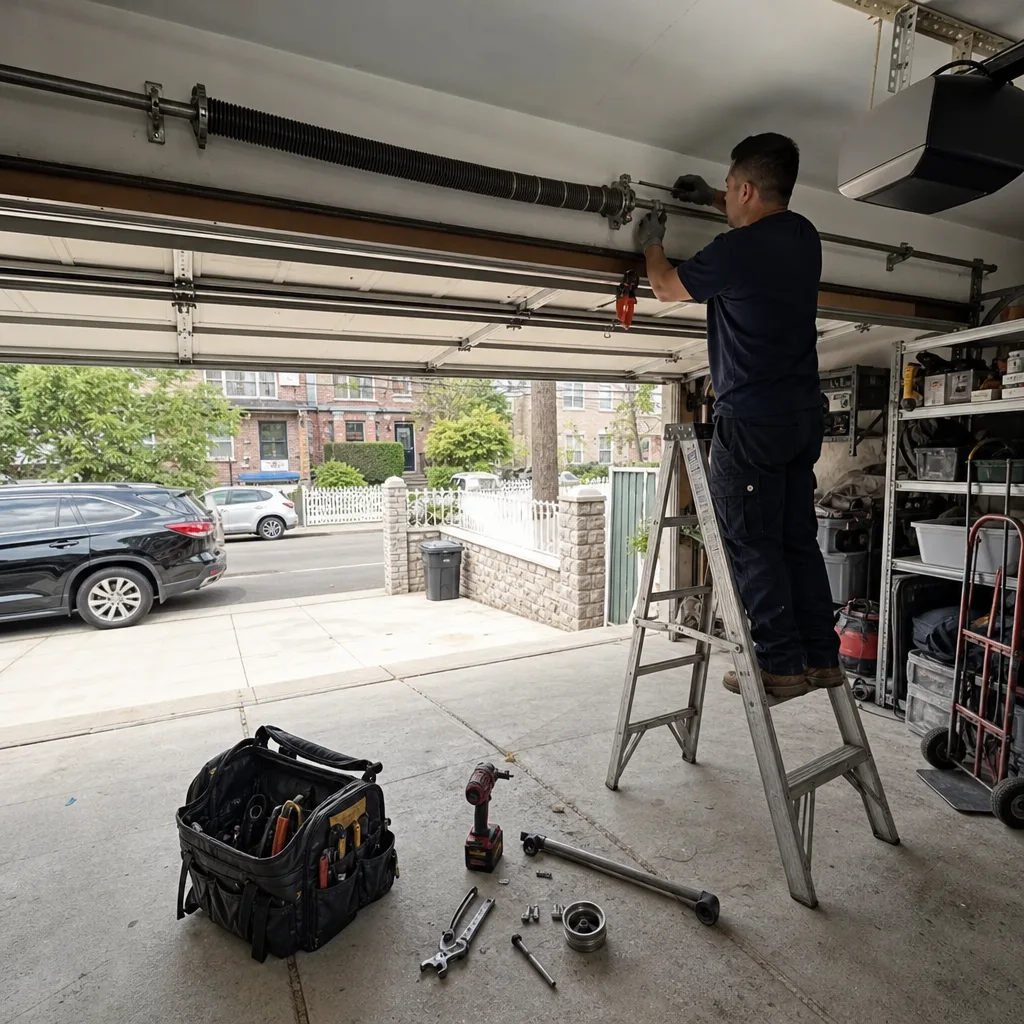
Last updated November 21, 2026
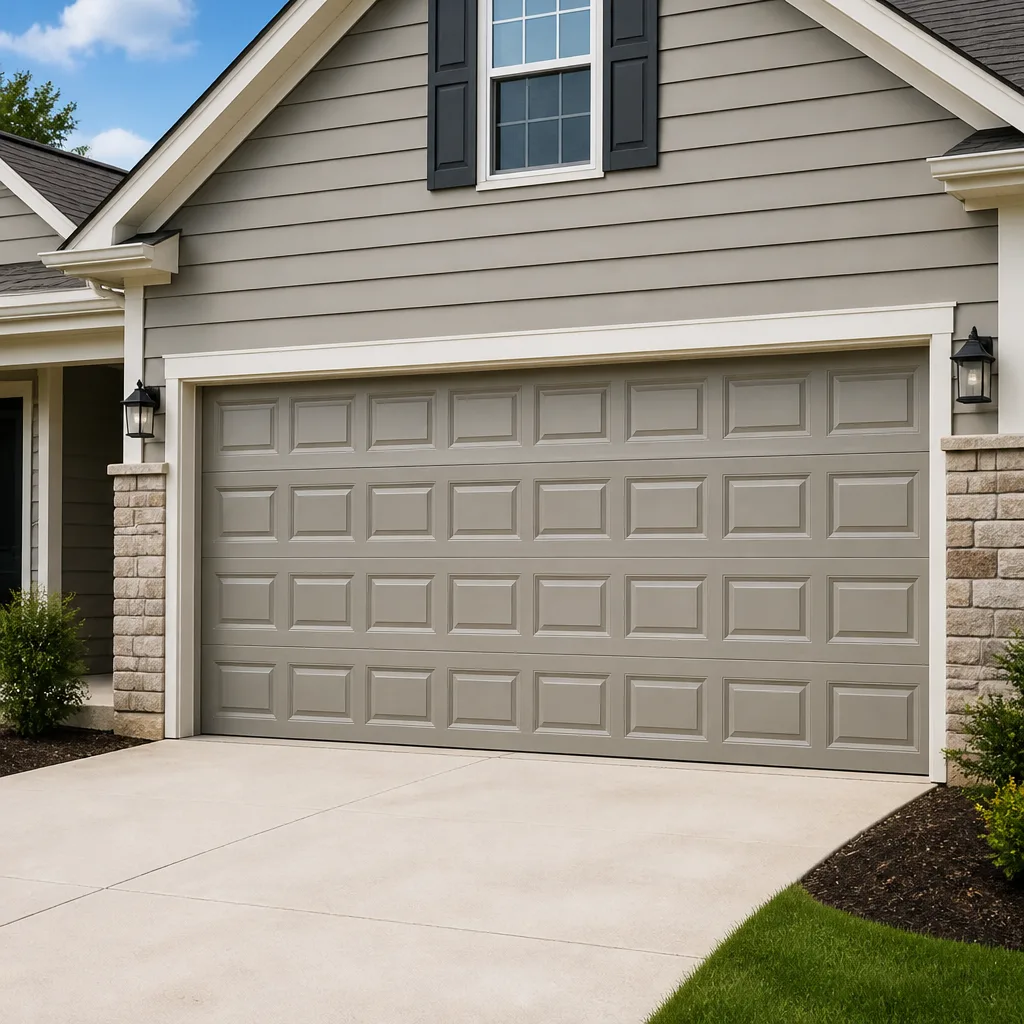 Raised-panel steel
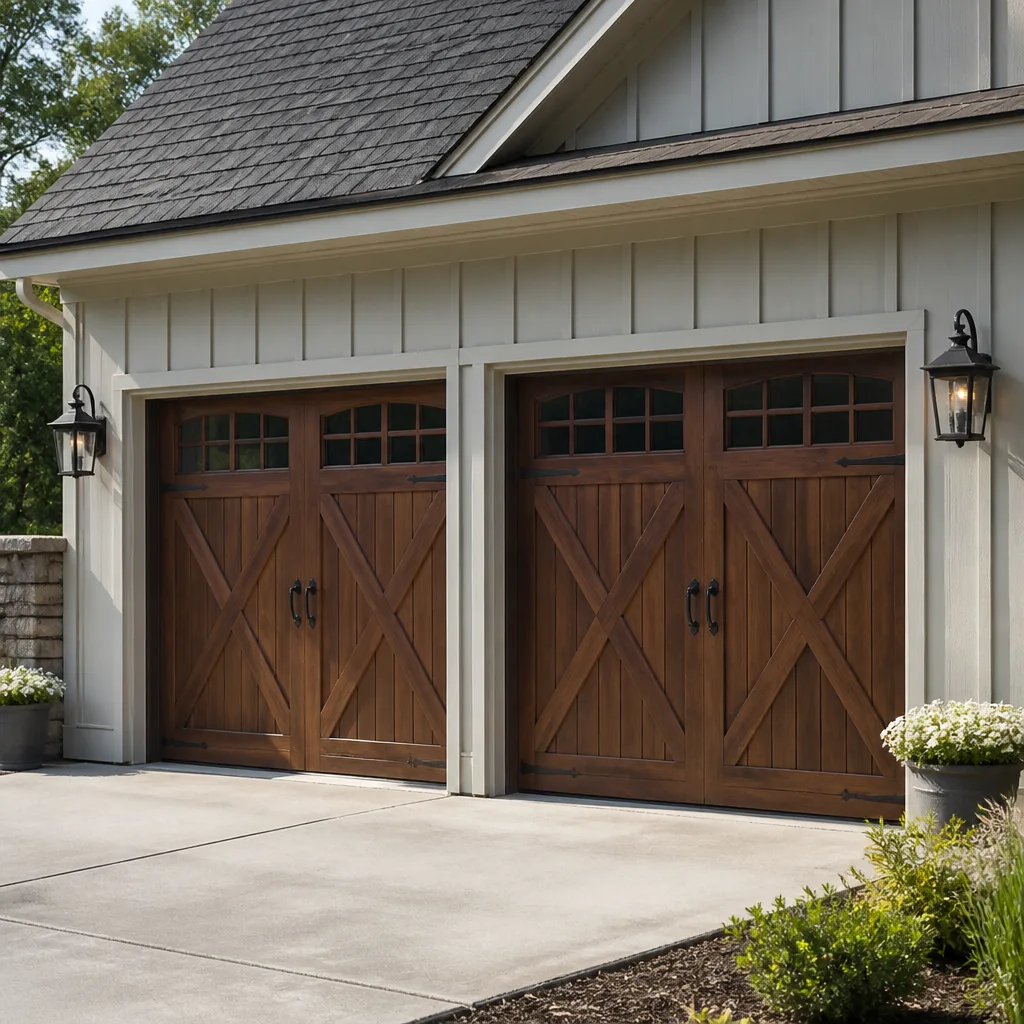 Carriage house
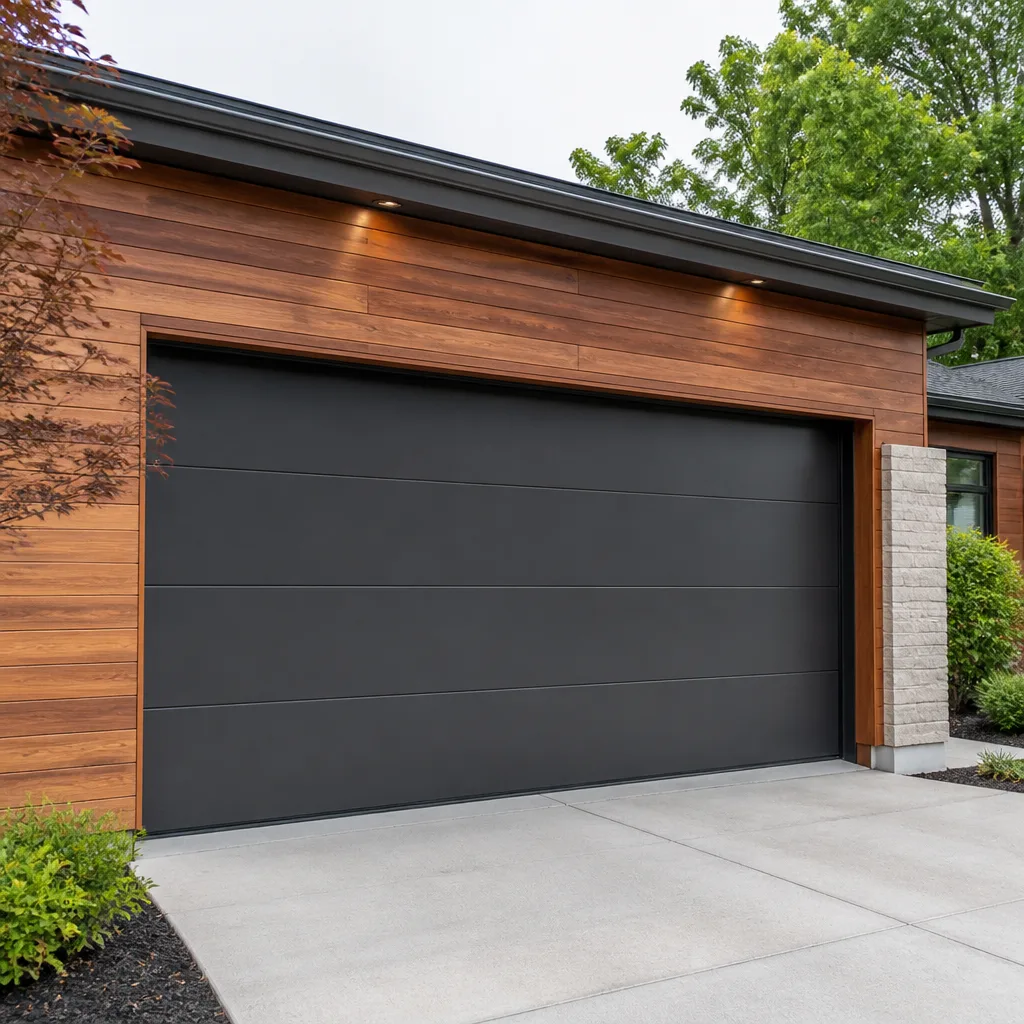 Modern flush
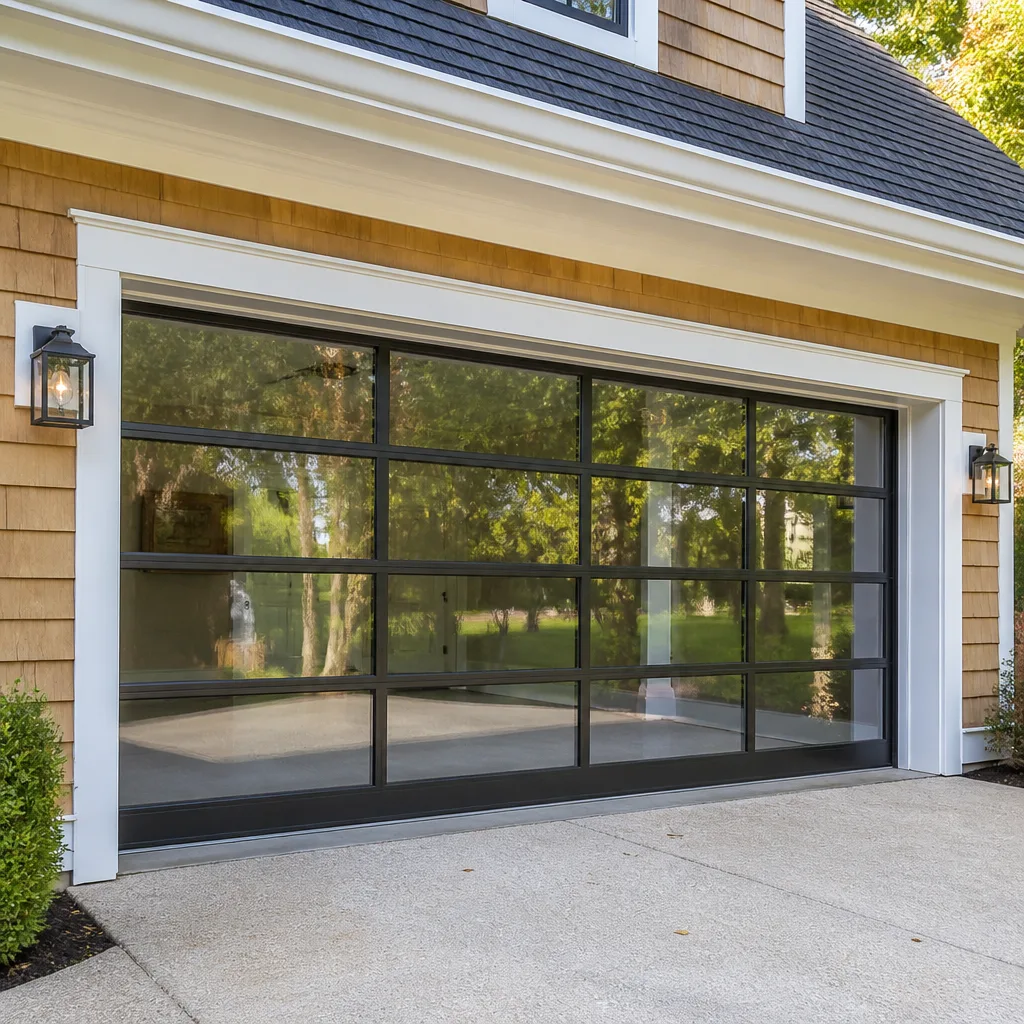 Full-view glass
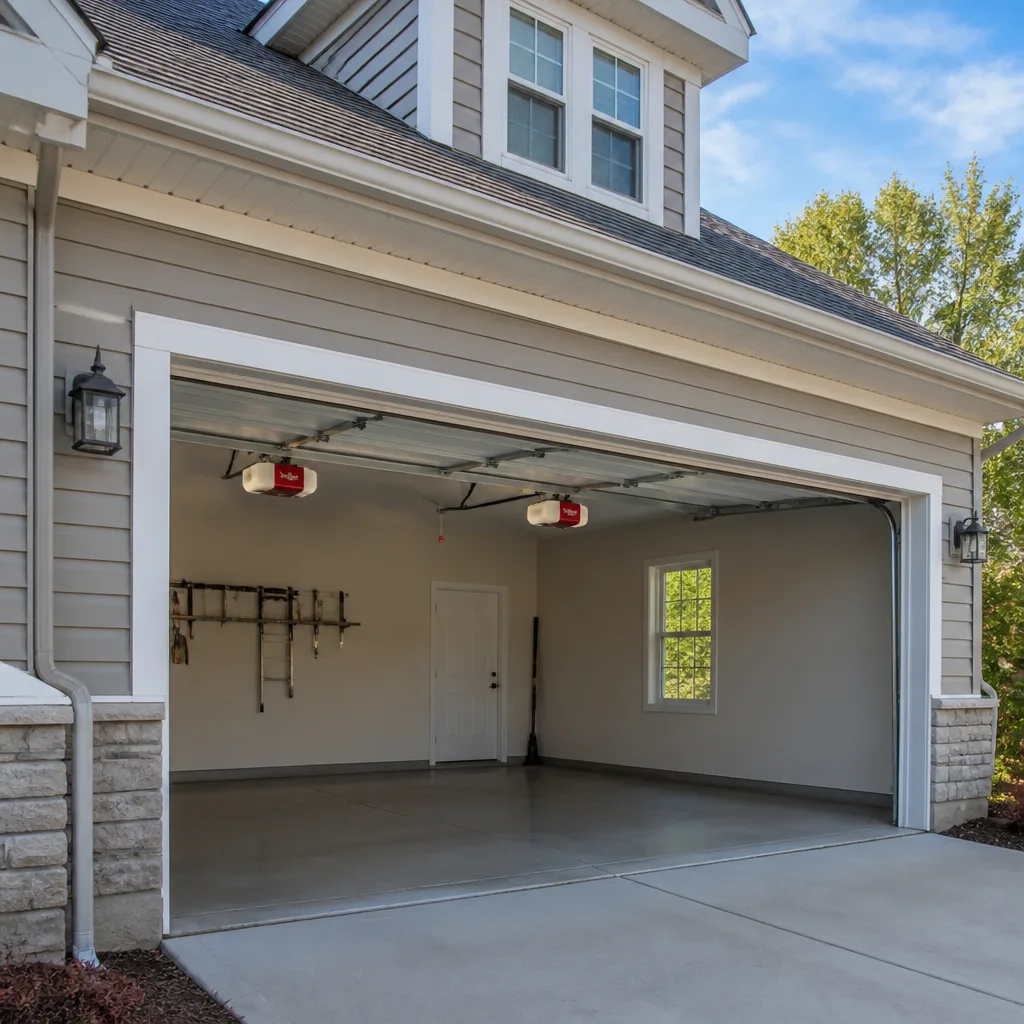 LiftMaster openers
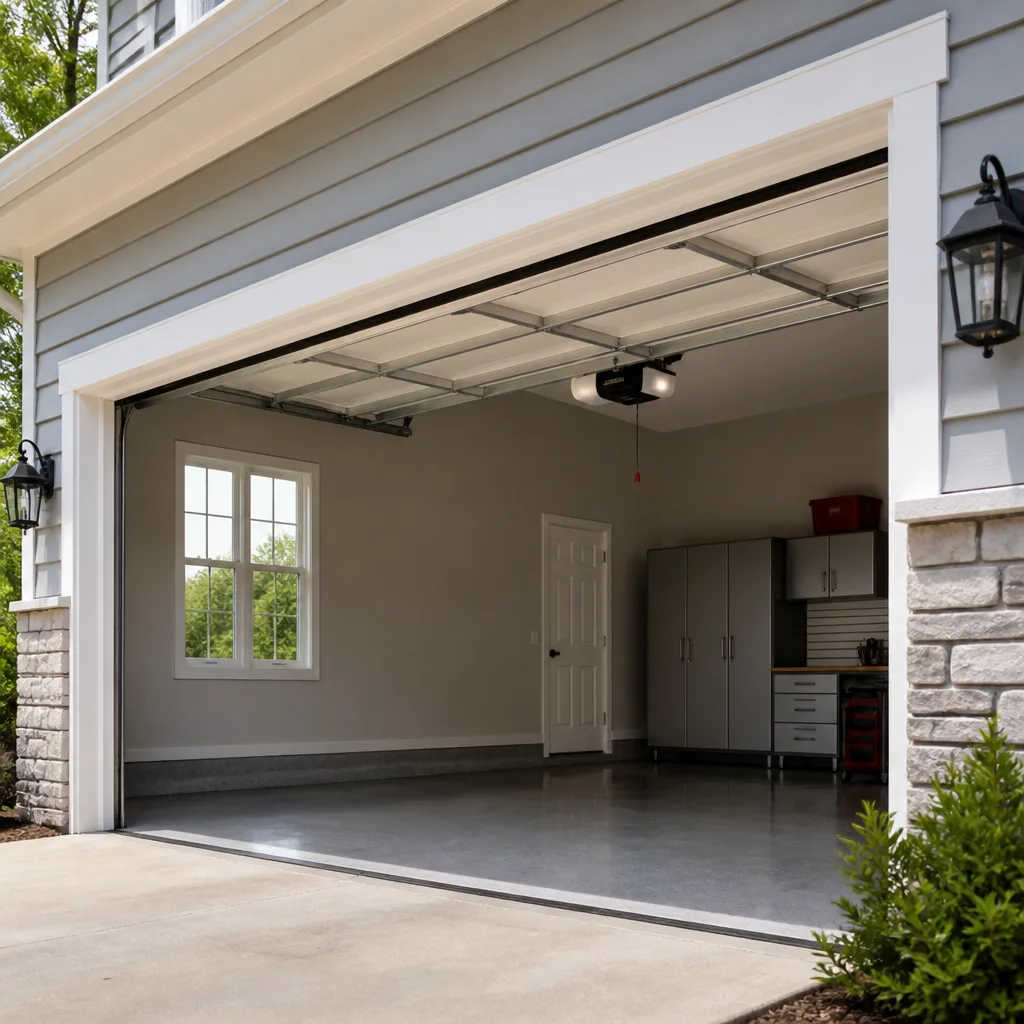 Chamberlain openers
Full 25-point door and opener safety check with every visit - springs, cables, rollers, tracks, and your LiftMaster or Chamberlain opener included
You get a price before we start. It does not change when the pro arrives.
Get your free estimateDIY vs Professional Garage Door: The Washington Heights Homeowner’s Decision Guide
A torsion spring stores enough energy to break a wrist or take out an eye when it releases. That’s not a scare tactic. It’s the physics of a 200-pound door counterbalance, and it’s what draws the line for this entire guide. The real question isn’t whether you’re handy enough. It’s which jobs carry injury and liability consequences that make a technician non-negotiable, and which ones a careful homeowner can genuinely handle. We’ll sort the tasks one by one, talk honestly about what DIY really costs once you add tools and time, and cover what New York City’s co-op and shared-building rules mean for Washington Heights homeowners. By the end, you’ll know exactly where your line sits.
Quick Answer
Lubrication, sensor alignment, weatherstripping, and routine visual checks are safe DIY work for a competent homeowner. Spring replacement, cable work, and track realignment are not, because a torsion or extension spring under load can cause serious injury when it releases, and mistakes there are the most expensive to undo. Everything else falls in between, and the deciding factors are your building’s rules and whether a failed door is blocking a car or leaving the home unsecured.
Styles & brands we work with
- Raised-panel steel
- Carriage house
- Modern flush
- Full-view glass
- LiftMaster openers
- Chamberlain openers
Table of Contents
- Where the DIY Line Actually Falls
- Task-by-Task Breakdown: What’s Safe and What Isn’t
- What DIY Really Costs Once You Add It All Up
- When a DIY Attempt Makes the Repair More Expensive
- NYC Liability, Co-ops, and Shared Access
- What to Do Between a Failure and the Technician’s Arrival
- How a Professional Repair Actually Goes
- How to Choose a Garage Door Specialist in Washington Heights
Where the DIY Line Actually Falls
Most DIY-versus-pro debates treat skill as a single sliding scale. Garage doors don’t work that way. The system has a few components that store enormous energy and a few that are forgiving, and they sit right next to each other on the same door. A homeowner who can safely adjust a photo-eye might assume the same confidence transfers to the cable beside it. It doesn’t.
Torsion springs, extension springs, cables, and the drums they wind around hold the entire weight of the door in tension. When a spring or cable lets go, it releases that stored force in a fraction of a second, with no warning and no way to step back in time. That’s the unbreakable line. Below it sit the tasks that involve no stored energy: lubricating rollers and hinges, aligning sensors, replacing bottom weather seals, and clearing obstructions from the track.
Between those two zones is a gray middle where judgment matters more than muscle. Track that’s slightly out of plumb, a door that reverses before it closes, an opener that runs but won’t lift the door. Those are diagnostic problems. You can often rule out the obvious causes, but the fix may still need a technician who works on doors every day, not a generalist who touches them occasionally.
In Washington Heights, that middle zone comes up a lot. The neighborhood’s older two- and three-family homes and co-op buildings have doors that have been adjusted, patched, and re-hung over decades. A door that’s been “fine for years” can hide a cable that’s frayed down to a few strands. Knowing which zone you’re in is the whole skill. Our technicians have up to 13 years of experience drawing exactly that line on doors of every age and brand.
Task-by-Task Breakdown: What’s Safe and What Isn’t
Here’s the practical split. If a task is on the DIY list, you can do it with basic tools and a ladder, and you won’t touch anything under load. If it’s on the professional list, we’d genuinely rather you didn’t.
Safe for a careful homeowner:
- Lubrication. A garage-rated lubricant on rollers, hinges, and the spring coils (for torsion springs) quiets a noisy door and slows wear. Wipe off excess so it doesn’t attract grit.
- Photo-eye alignment. If the door won’t close and the opener’s light blinks, the safety sensors near the floor are usually misaligned or dusty. Wipe the lenses and nudge them until the indicator lights are solid. This fixes more “broken openers” than any other single step.
- Bottom weatherstripping and thresholds. A cracked bottom seal lets in cold air and water. Slide the old one out of its channel and slide a new one in. No tools under tension.
- Visual inspection. Look at cables for fraying, springs for gaps, and hinges for wear. You’re looking, not touching. Spot a problem and stop there.
- Clearing the tracks. Debris, cobwebs, and small objects jam a door. Sweep them out with the door fully open and the opener disconnected if you can do so safely.
Professional only:
- Torsion and extension spring replacement. The single most dangerous job on a garage door. A loaded spring can injure badly in a heartbeat. This is one of the most commonly botched DIY jobs we see, and it’s not one to learn on.
- Cable replacement. Cables are wound under the same tension as the springs. Cutting or releasing one without the proper process can snap it loose.
- Track realignment. Track that’s out of plumb can send the door off its rollers. The fix involves loosening and re-anchoring track while the door’s weight is supported.
- Spring or cable work on a door that’s stuck open or half-closed. Never attempt this. A door caught mid-travel is under uneven load, and the safest move is to call for garage door repair Washington Heights right away.
What DIY Really Costs Once You Add It All Up
The part most homeowners skip is the true cost of a DIY fix. Retail parts are marked up over what a trade professional pays, the tools you don’t own need to be rented or bought, and troubleshooting eats hours you can’t get back. Here’s how to add it up honestly for a Washington Heights job.
- Parts at retail. Springs, cables, and openers bought individually at a hardware store or online cost more than the same parts sourced through a trade supplier. Factor in the retail premium.
- Tool rental. Winding bars, a ladder tall enough for your door, spring clamps, and a proper socket set add up. If you’re buying instead of renting, that cost belongs in the total.
- The time cost of troubleshooting. A single failed sensor can take an afternoon to find. A misdiagnosed opener can mean returning a part you can’t reuse.
- The repair you pay for anyway. If the DIY attempt doesn’t solve it, you’re now paying a professional plus the cost of what you already bought. That’s the quiet expense most people miss.
- The damage from an incorrect attempt. A slipped spring or a bent track can turn a repair into a replacement. This is the cost that really stings.
Add it all up and the DIY savings shrink fast for anything beyond the simple list. For the high-energy jobs, the math isn’t close. A written estimate from a garage door repair specialist is often cheaper than a homeowner’s parts-and-tools shopping list, and it comes with the work done safely the first time. Estimates are free, so you can compare before deciding.
When a DIY Attempt Makes the Repair More Expensive
We’re not against homeowners getting involved. But there are specific ways a DIY attempt turns a routine repair into a bigger bill, and it’s worth naming them because they’re preventable.
- Releasing a spring without the proper winding process. A partly unwound torsion spring can jam the shaft or damage the center bracket, turning a spring replacement into a shaft or bracket job.
- Cutting cables without support. The door’s weight shifts instantly, and the resulting bend in the panel or track can mean a new door section instead of a cable.
- Forcing a stuck door. Pulling a door that’s caught on a bent roller or a misaligned track can snap the opener’s carriage or strip its gear. Now you’re repairing the opener too.
- Adjusting the opener’s travel limits too far. A door that slams down or reverses at the wrong point can crack a panel or damage the bottom seal, and the fix isn’t the opener anymore.
- Straightening track by hand. What looks like a simple bend often needs the track re-anchored and re-plumbed. A forced bend stresses the framing and can crack a corner.
Each of these starts as a modest repair and ends as a bigger one. The pattern is consistent: DIY goes wrong when it touches something under load, or when it forces a component that’s already out of alignment. Our team works on virtually every major brand on the market, so an expert call usually resolves it in one visit rather than a diagnosis by trial and error.
NYC Liability, Co-ops, and Shared Access
Washington Heights is full of buildings that were never designed with a modern garage door in mind. Co-ops, apartment houses, and shared driveways are the norm, and that changes the DIY question in ways a single-family homeowner elsewhere never has to think about.
If your garage door is attached to a shared building, the door may not be yours to modify. A self-performed repair on a door that faces a common driveway or an alleyway can leave the building with an unsafe door that affects everyone who drives through. Before you touch anything beyond the simple maintenance list, check your building’s policy. For a co-op, that may mean a conversation with the board or the managing agent. For a two- or three-family home, it means thinking about your tenant or neighbor who also uses the door.
There’s also the practical side. In Washington Heights, where driveways are tight and overhead space is at a premium, an injury on a ladder against a heavy door is a real risk. Our technicians are trained on the high-risk repairs, including spring and cable work, so the safety of the job doesn’t depend on a homeowner getting lucky. If the door serves more than your own household, that’s often the deciding factor.
Permits are a related question. Most cities require a permit for certain garage door work, especially structural changes or new door installation, so the right move is to ask the city’s building department before assuming a DIY job is exempt. Getting that answer first saves you from a repair you have to undo later.
What to Do Between a Failure and the Technician’s Arrival
When a spring or cable goes, the first hour matters. A failed door can trap a car or leave the home unsecured, and the last thing you want is a second failure while you wait. Here’s how to stabilize the situation safely.
- Pull the emergency release. With the door closed or fully open, the red release handle on the opener’s rail disengages the door from the motor so you can move it by hand.
- Get the door to a safe position. If it will not stay up, prop it from underneath with a solid object rated for the weight, or leave it fully closed and keep everyone away from the tracks.
- Do not touch the spring or cable. If a spring is broken, the door may be resting on the remaining one. Leave the whole system alone.
- Clear the area. Keep cars, kids, and pets out of the garage until the technician arrives.
- Disconnect the opener. If the door is stuck, cut power to the opener at the breaker so it doesn’t run against a jammed door.
If the door fails on a Saturday, call and we’ll book you for Sunday. We’re open Sunday through Friday, 7am to 7pm, and closed Saturday. Emergency garage door service is a core part of what we do, so a door that’s trapping a car or leaving a home open gets treated as urgent, because it is.
How a Professional Repair Actually Goes
If you’ve never watched a garage door repair, the process is more orderly than it looks. The entire system is engineered to be serviced safely when you know how to release the load, and the sequence matters.
- Diagnosis. A technician checks the springs, cables, rollers, track, and opener, and confirms what actually failed rather than assuming.
- Load release. The springs are unwound in a controlled way so the door’s weight is supported before any part comes off.
- Component replacement. Springs, cables, rollers, or opener parts are swapped with brand-matched components. We work on LiftMaster, Chamberlain, Genie, Raynor, Clopay, Amarr, Wayne Dalton, and Craftsman, so the right part is usually on hand or a short call away.
- Balance and adjustment. The door is rebalanced so it opens and closes smoothly without the opener straining.
- Safety check. The door travels and reverses correctly, the sensors function, and the opener’s settings are confirmed.
- Final review. The technician walks through what was done and what to watch for, then the price is confirmed to match the written estimate, which the job is quoted and agreed on before any work starts.
A single failed spring is usually replaced as part of a matched pair, and a pair costs about twice a single spring, so it’s worth asking which springs are due and why. For a full garage door opener repair, a technician diagnoses whether the opener, the door balance, or a sensor is the real culprit. For a door that’s genuinely worn out, garage door installation is the point where a measured visit and a written price replace guesswork.
How to Choose a Garage Door Specialist in Washington Heights
Specialization is the simplest filter. Garage doors are all we do, so we do them right, and that focus shows up in the questions a good technician asks and the parts they recognize on sight. When you compare companies, look for a few specific things.
- Door-only focus. A company that also handles plumbing, roofing, and electrical is spreading its attention. A specialist has seen your exact failure before.
- Brand fluency. Ask whether they work on your opener and door brand. A technician trained across the major manufacturers won’t need a learning curve on a LiftMaster or a Genie.
- Safety process. Ask how they handle spring and cable work. A company that treats it as routine and shows you the process is the one you want.
- Written estimates. The price should be quoted and agreed on before work starts, and a free estimate costs you nothing to compare.
- Emergency availability. A door that won’t open is not a scheduling convenience. Ask what happens when it fails.
We focus entirely on garage doors, which means deeper diagnostic accuracy on the jobs that matter. When you’re ready, we’ll give you a straight answer on what’s safe to handle and what needs a technician, and we’ll put the price in writing before we touch anything.
Common Mistakes to Avoid
- Winding a torsion spring yourself. This is the number one way homeowners get hurt on a garage door. The spring stores enough force to injure badly, and no YouTube video makes it safe. Leave it to a trained technician.
- Cutting a cable to “see what happens.” Cables are under the same load as the springs. A cable released without support can whip loose and bend the door, and the repair grows from there.
- Forcing a door that’s stuck mid-travel. If the door is caught, forcing it can strip the opener or bend the panels. Stop and call for service rather than fighting it.
- Assuming a blinking opener light means the opener is broken. In a Washington Heights garage, it’s usually a sensor that got nudged or dusty. Check the sensors before you replace a motor.
- Ignoring the building rules. In a co-op or shared building, a self-performed repair on a common door can create a problem for every household. Check the policy before you start.
- Skipping the permit question. Some work, especially a new door, needs a permit. Ask the city’s building department first instead of finding out after the fact.
- Letting a small problem ride. A squeak, a slow open, or a frayed cable is a warning. Addressing it early is cheaper than a mid-week failure that traps the car.
See the difference
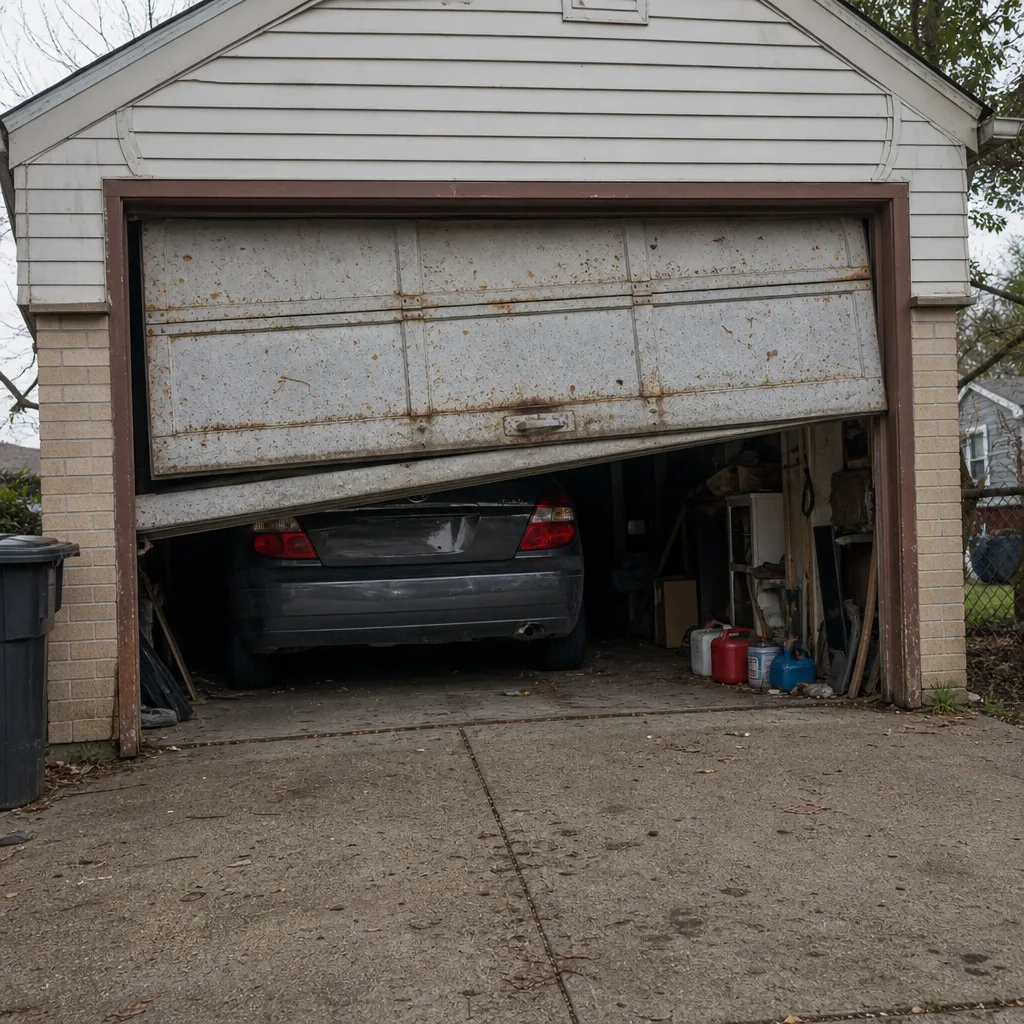 Before
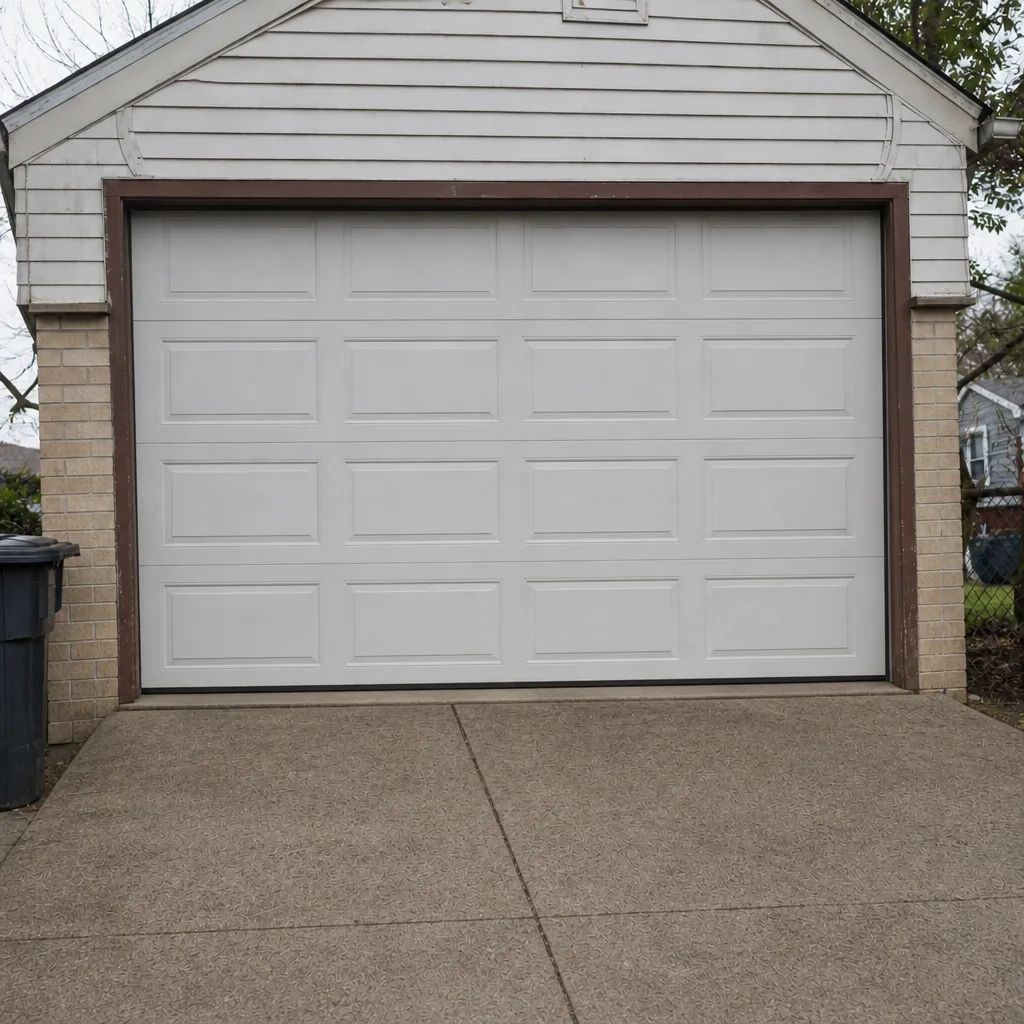 After
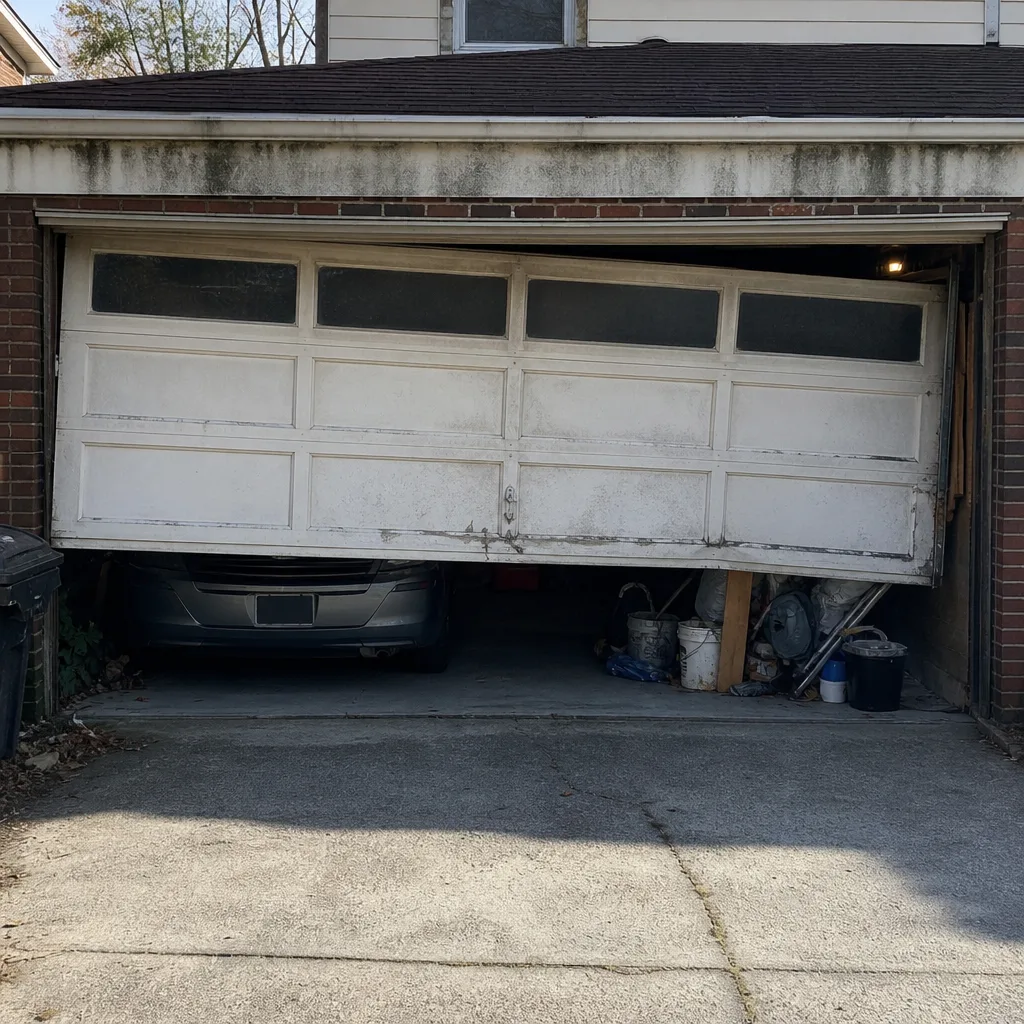 Before
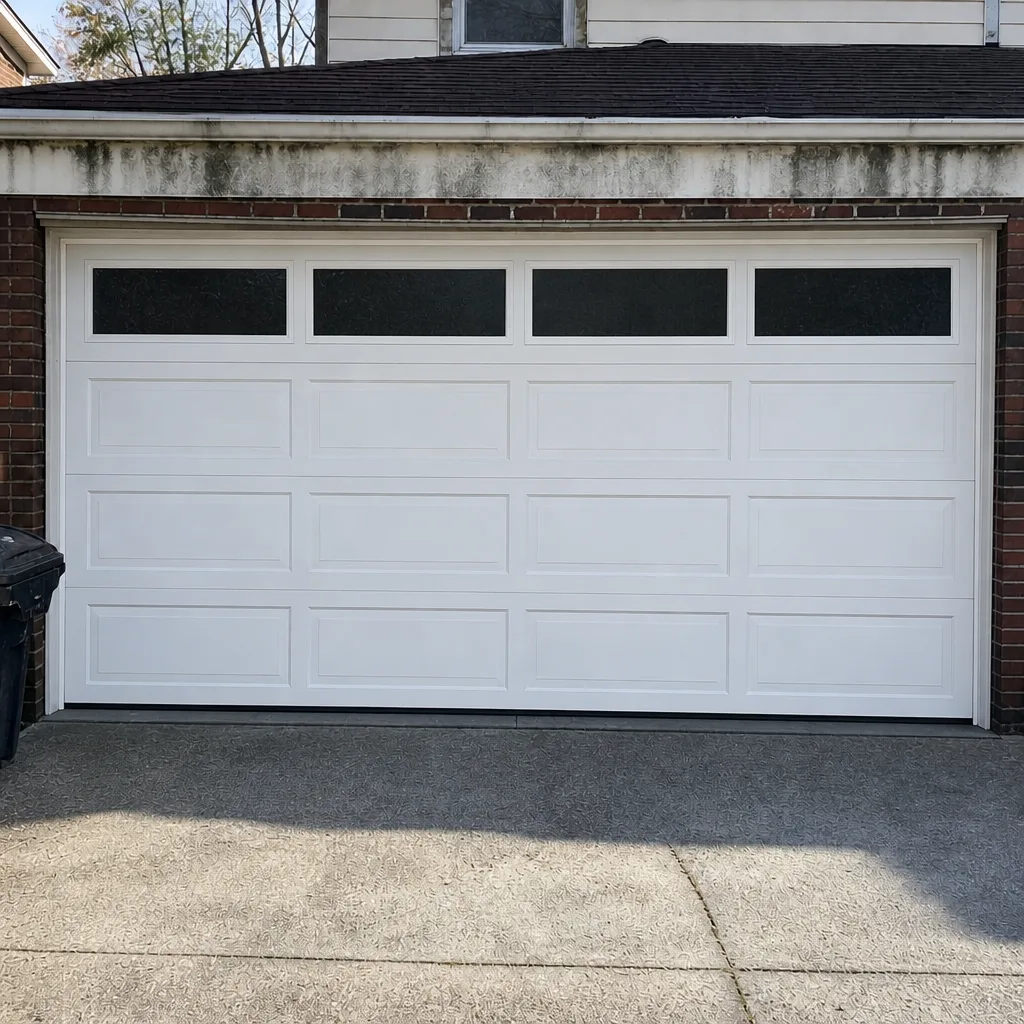 After
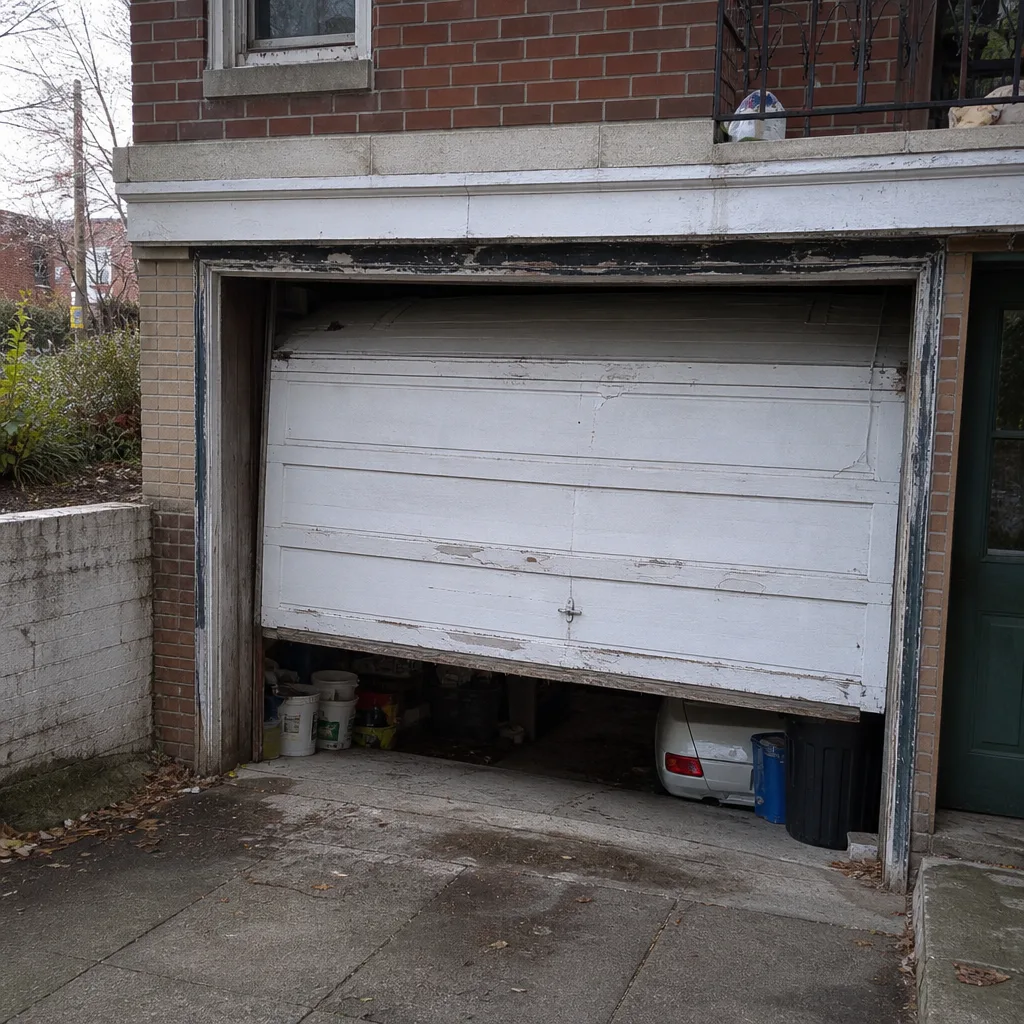 Before
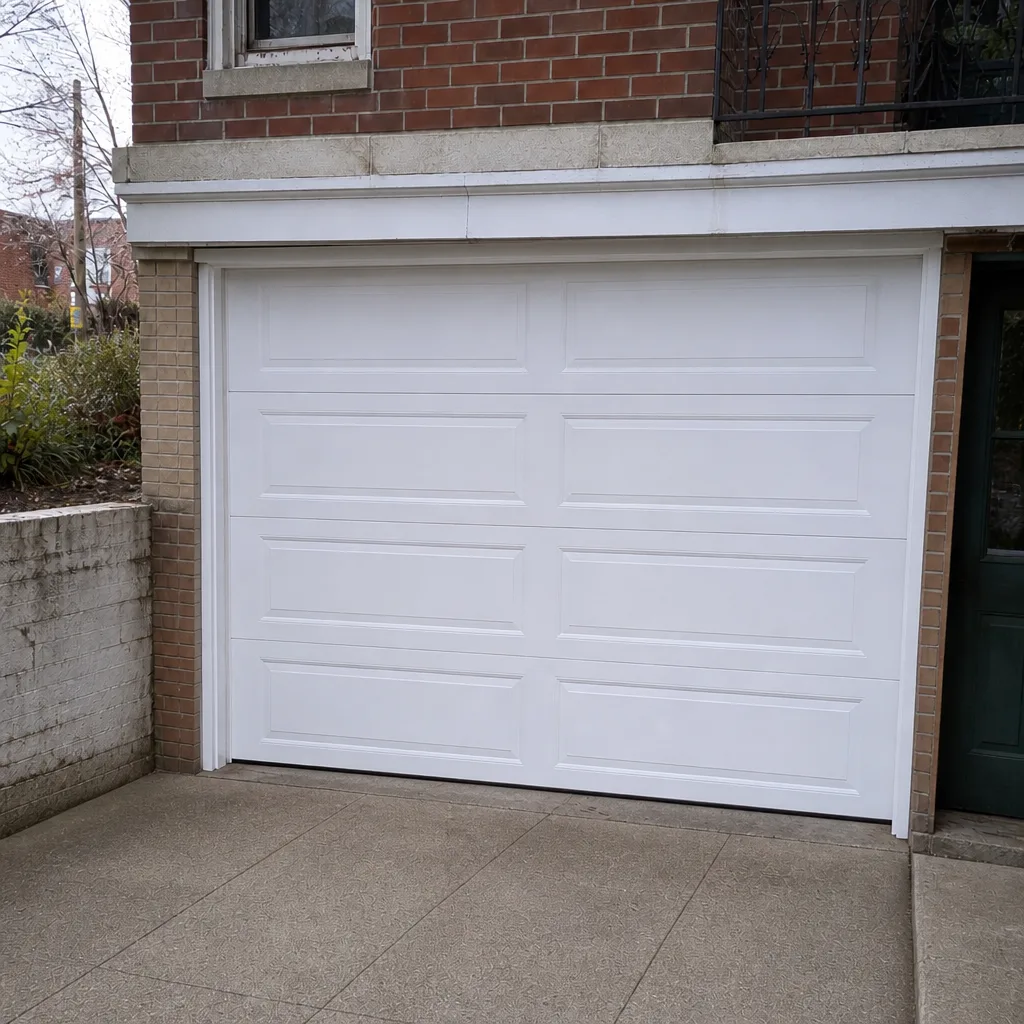 After
When to Call a Professional
Call a professional the moment a spring breaks, a cable frays, or the door comes off its track, and do not attempt those repairs yourself. Call when the door won’t lift evenly, when the opener runs but the door barely moves, or when a door that used to open smoothly starts to drag. Call when a door serves a shared building and you’re unsure who’s responsible for the repair. And call when the failure happens on a Saturday, because we’re closed that day and the sooner we book you, the sooner the door gets fixed on Sunday. Garage Door Repair Washington Heights offers free estimates in Washington Heights. Call (833) 968-8233.
Frequently Asked Questions
No. A garage door spring is one of the most dangerous components in a home, and replacing it requires the right winding bars, the correct release sequence, and experience with the load. A spring that slips during a DIY attempt can cause serious injury. Spring and cable work belongs with a trained technician, and it’s the one repair we’d tell you not to attempt.
You can lubricate the rollers and hinges, align the photo-eye sensors, replace the bottom weatherstripping, clear debris from the tracks, and inspect the door for visible damage. These tasks involve no stored spring energy, so a careful homeowner can handle them. Anything that touches the springs, cables, or track alignment should go to a professional.
Only for the simple maintenance tasks. For springs, cables, or track work, the retail parts, tool rental, and time spent troubleshooting usually cost more than a professional estimate, and a mistake can turn a repair into a replacement. Get a free estimate first and compare it against your DIY shopping list before you decide.
We’re closed Saturday and open Sunday through Friday, 7am to 7pm. If your door fails on a Saturday, call and we’ll book you for Sunday. For a door that’s trapping a car or leaving the home open, emergency garage door service is treated as urgent.
It depends on the job. Simple tasks like sensor alignment or weatherstripping are minor, while a spring or cable replacement or an opener repair is a larger job. Every job is quoted and agreed on before any work starts, so the written estimate sets the final price. Call (833) 968-8233 for an exact quote, and estimates are free.
It can, and it usually does when it involves the high-energy parts. Releasing a spring improperly, cutting a cable, or forcing a stuck door can damage the track, panels, or opener carriage, which turns a modest repair into a bigger one. If you’ve already tried and it’s gotten worse, stop and call a professional before the damage spreads.
The Bottom Line
The DIY line on a garage door is not about how handy you are. It’s about stored energy. Lubrication, sensor alignment, weatherstripping, and visual checks are yours to handle, and they’ll keep your door smoother and safer between visits. Spring replacement, cable work, and track realignment are the jobs where a mistake carries real injury and real liability, and in a Washington Heights co-op or shared building, they’re also the ones that affect more than your own household. When you’re not sure which side of the line a repair falls on, get a free estimate and ask. One call covers it, and the written price is agreed before anything starts.
Call (833) 968-8233 for a free estimate on garage door repair, opener service, spring work, or a new door installation in Washington Heights. When your door won’t open or won’t close, we treat it as urgent, because it is.
Written by the team at Garage Door Repair Washington Heights.