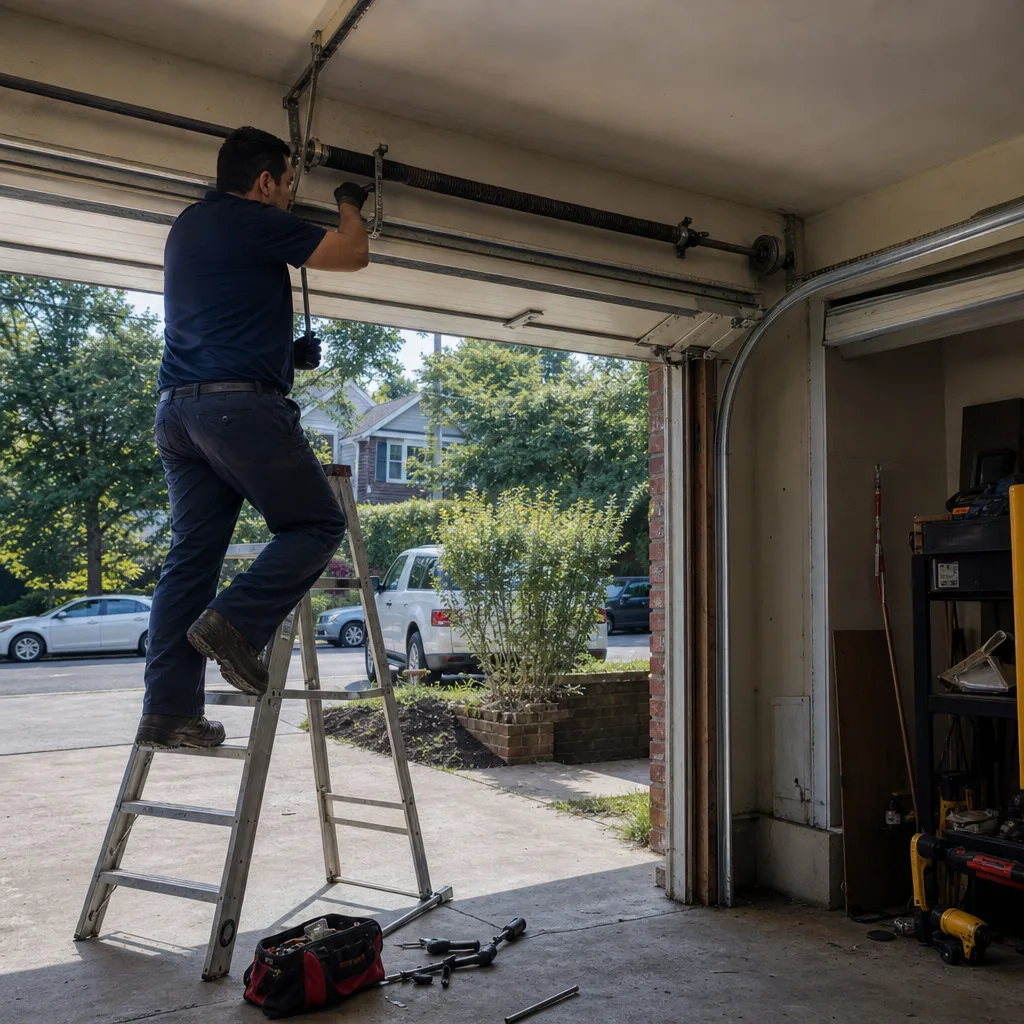
Last updated November 21, 2026
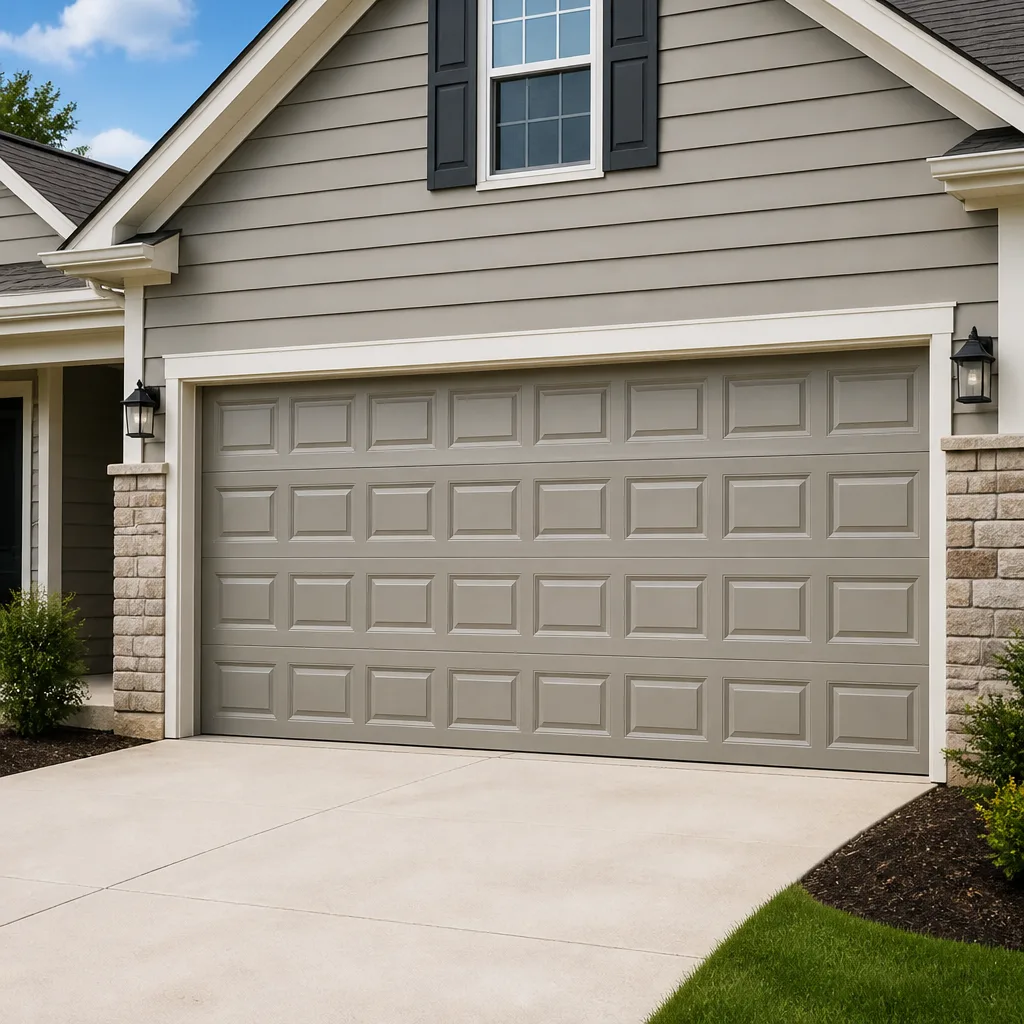 Raised-panel steel
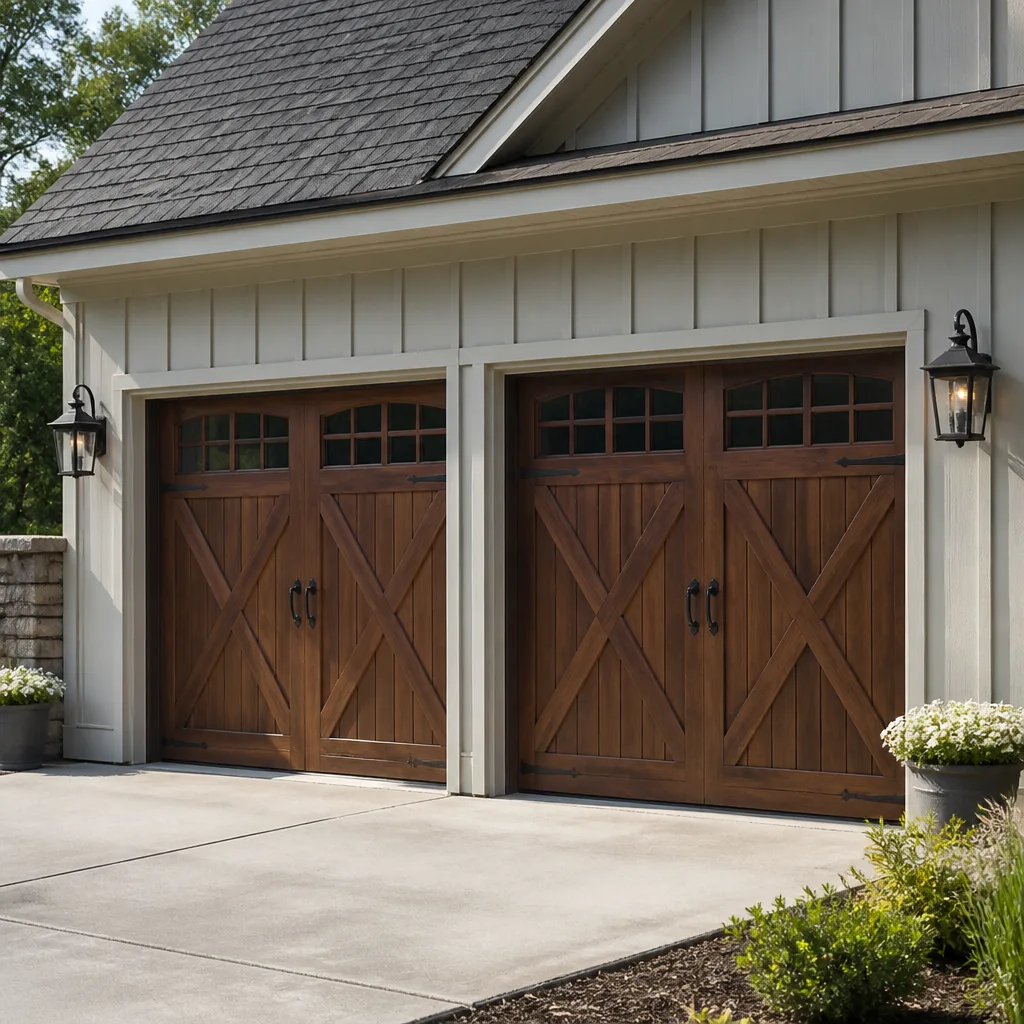 Carriage house
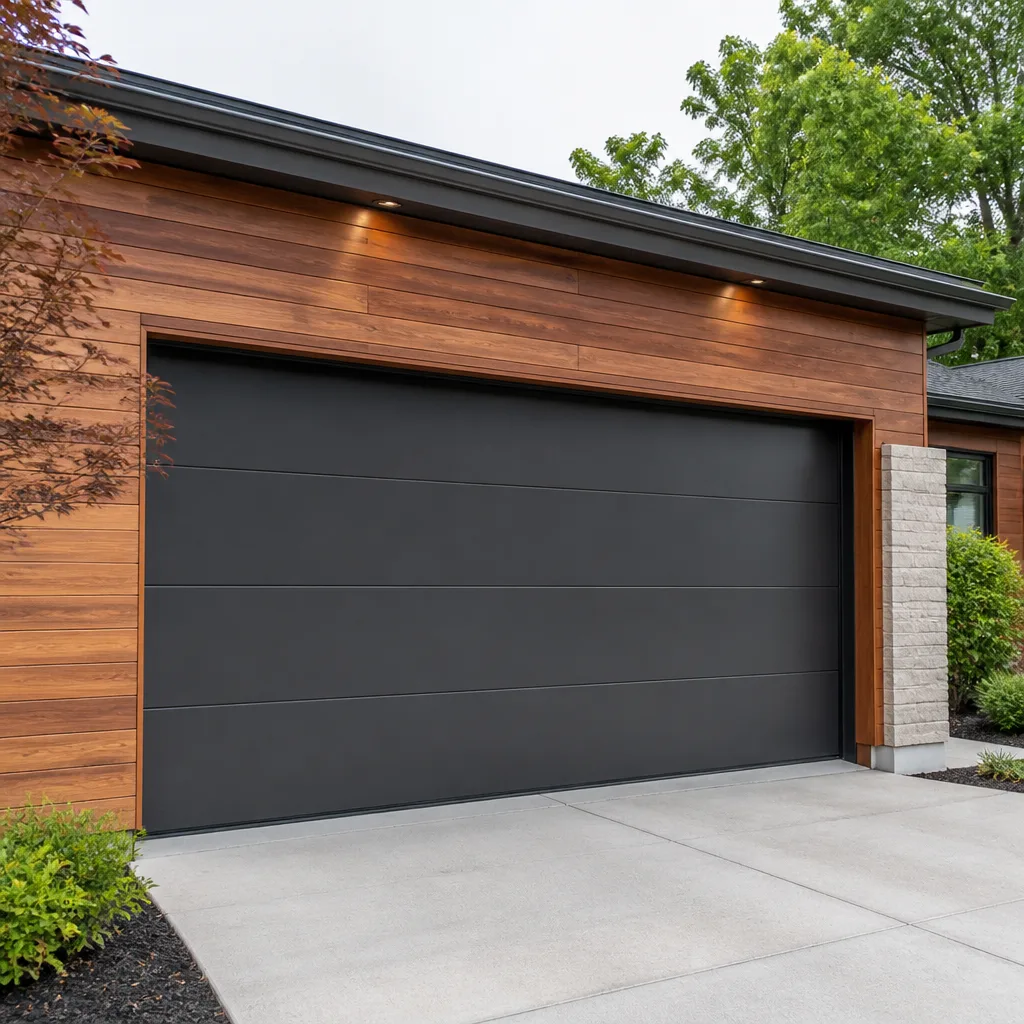 Modern flush
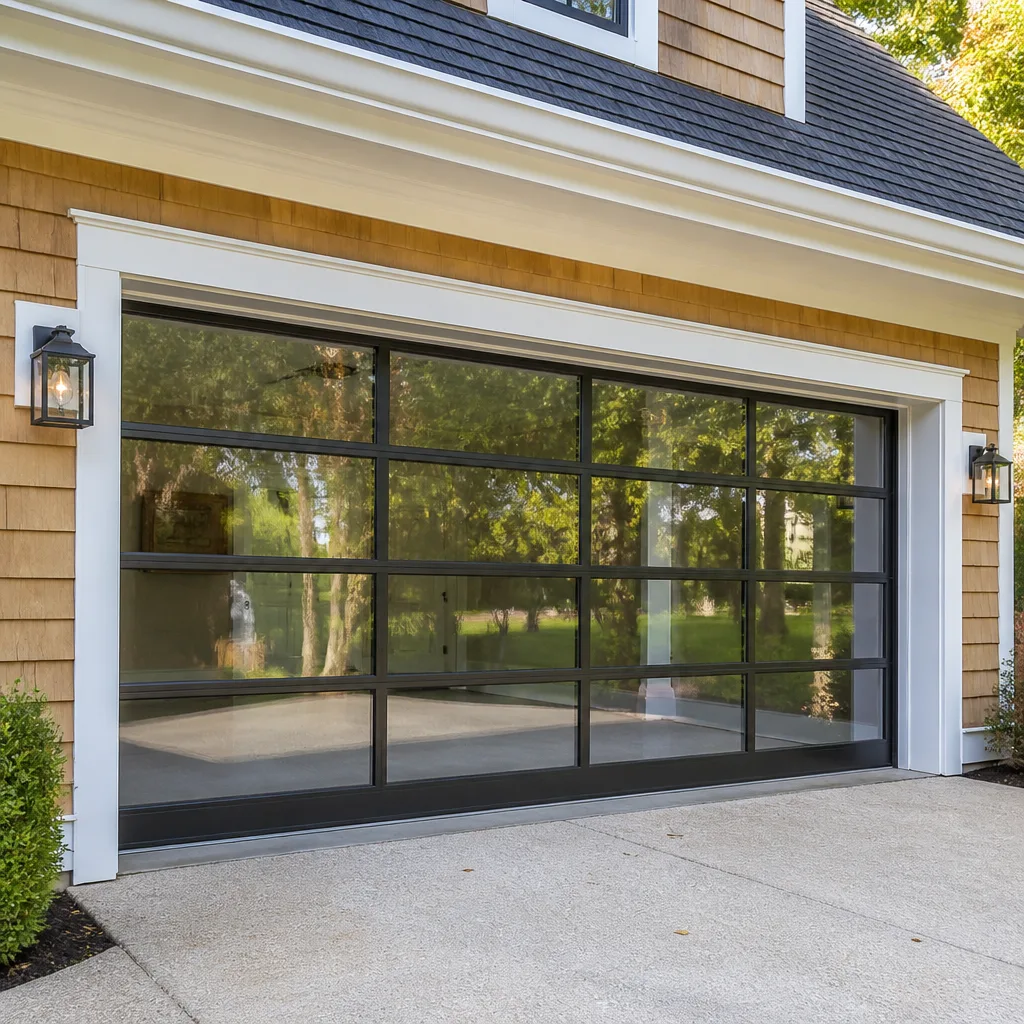 Full-view glass
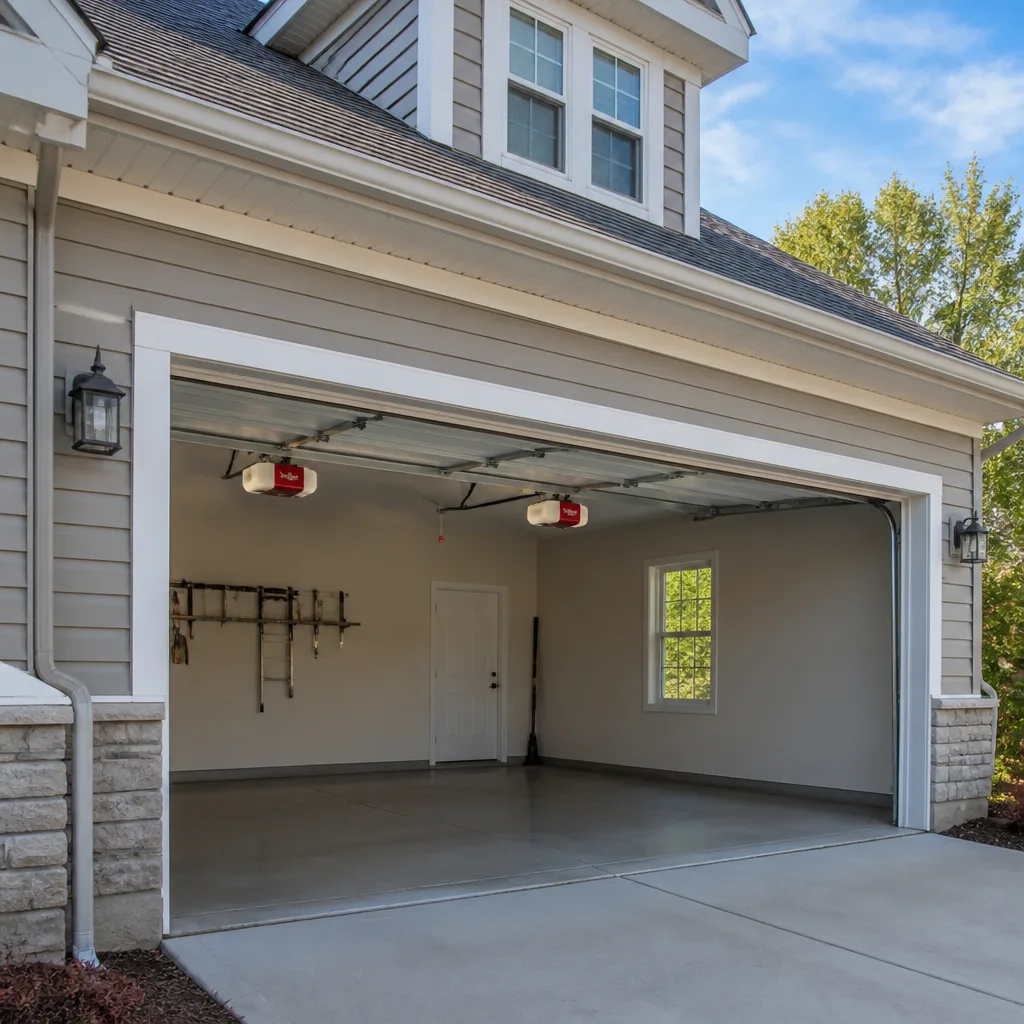 LiftMaster openers
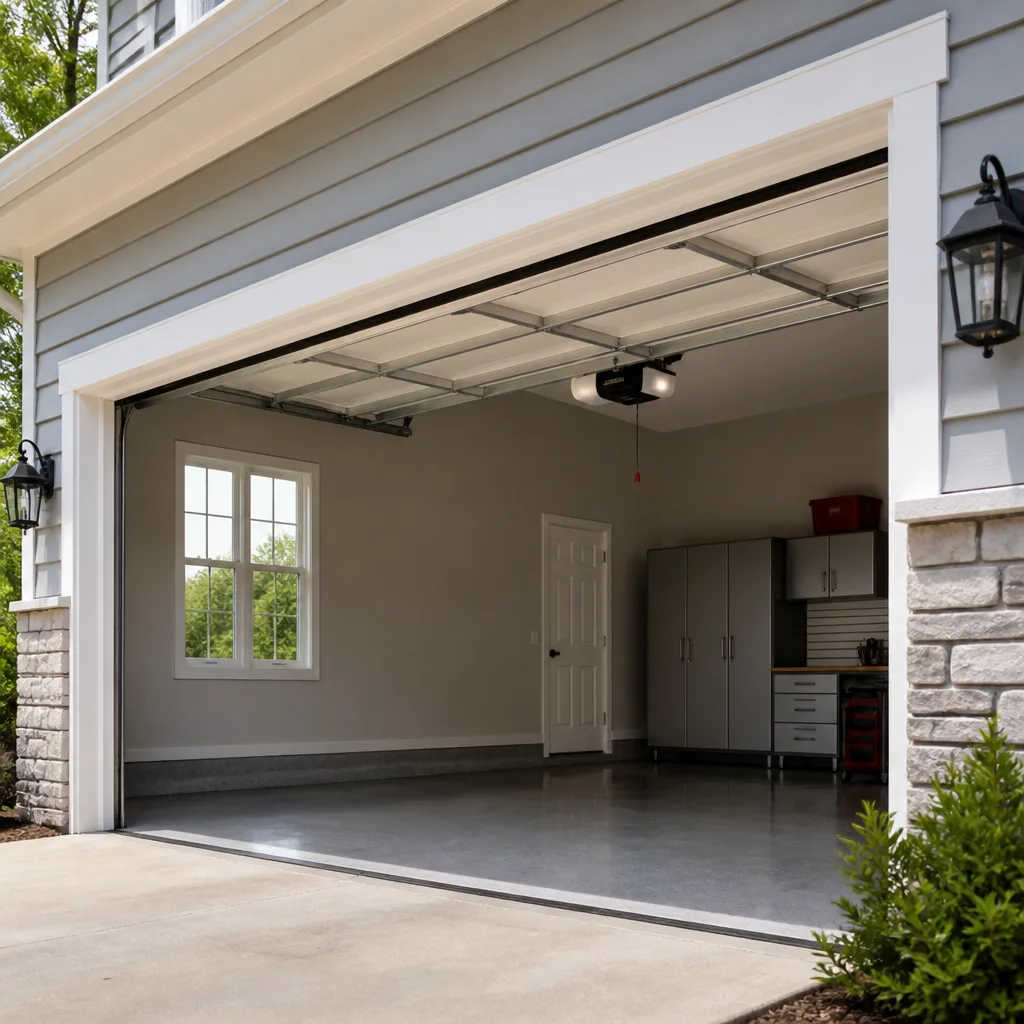 Chamberlain openers
Full 25-point door and opener safety check with every visit - springs, cables, rollers, tracks, and your LiftMaster or Chamberlain opener included
You get a price before we start. It does not change when the pro arrives.
Get your free estimateSeasonal Garage Door Care for Washington Heights: Year-Round Homeowner’s Guide
Most homeowners in Washington Heights assume the worst month for a garage door is January, when the coldest air settles over upper Manhattan. In our experience, the failures cluster in late February and early March. By then the freeze-thaw cycle has been working on springs, hinges and bottom seals for weeks, and the accumulated stress finally shows up as a door that won’t open, won’t close all the way, or comes off its track. A generic four-seasons guide misses this rhythm entirely. What follows maps each care task to what’s actually happening to your door’s materials and hardware month by month in Washington Heights, from lubricant choices in cold weather to post-salt corrosion checks and summer humidity’s effect on wood doors. You’ll learn what to inspect, when, and when to hand it off to a trained technician.
Quick Answer
Seasonal garage door care in Washington Heights follows a specific pattern driven by freeze-thaw cycles, humid summers and salt-heavy winters. Owners should focus on cold-rated lubricant and seal checks before winter, post-salt corrosion inspection and bottom seal replacement in spring, panel-gap and humidity monitoring for wood doors in summer, and freeze-thaw prep in fall. Adjust opener sensitivity as metal hardware contracts and expands across the year. Anything involving springs or cables belongs with a trained professional.
Styles & brands we work with
- Raised-panel steel
- Carriage house
- Modern flush
- Full-view glass
- LiftMaster openers
- Chamberlain openers
Table of Contents
- Why Washington Heights Doors Follow Their Own Seasonal Rhythm
- Pre-Winter Prep: Lubricant Choice and Cold-Weather Checks
- Spring Care: Post-Salt Corrosion and Bottom Seal Replacement
- Summer Humidity and What It Does to Wood and Composite Doors
- Fall Prep: Getting Ahead of Freeze-Thaw Damage
- Adjusting Opener Sensitivity Through the Year
- A One-Page Seasonal Maintenance Calendar
- Common Mistakes to Avoid
- When to Call a Professional
- Frequently Asked Questions
Why Washington Heights Doors Follow Their Own Seasonal Rhythm
Washington Heights sits high above the rest of Manhattan, near the top of a ridge that runs along the island. Homes here are exposed to more wind than neighborhoods down in the street grid, and many detached and semi-detached garages face into it directly. That exposure matters more than most homeowners realize: a garage door is a large flat surface, and wind pressure across it flexes the panels and works the hardware slightly every time it moves.
The bigger factor is freeze-thaw. Uptown doesn’t get the deep, sustained cold of upstate New York, where temperatures stay below freezing for weeks. Instead, we get repeated cycles where the temperature climbs above freezing during the day and drops back at night. Water sneaks into gaps, freezes, expands, then thaws. Every cycle pushes seals, hinges and bottom weatherstripping a little farther out of place. Over a winter that adds up to dozens of cycles, and by late February the cumulative wear is what causes sudden failures. That’s why a door that opened fine in December can fail without warning in February.
Then there’s salt. Streets around the Cloisters, Fort Tryon Park, the George Washington Bridge approaches and the winding residential blocks uphill get heavy winter salting. Salt tracked onto a garage floor migrates onto the bottom of the door, the bottom seal and the metal tracks. It doesn’t destroy anything overnight, but by spring it’s been sitting there for months, working quietly on any bare metal it contacts.
And summer brings the opposite problem: high humidity. Doors in the older homes of Washington Heights often sit in garages that absorb moisture from surrounding soil and surrounding buildings, and that humidity affects wood and wood-composite panels differently than it affects steel. Understanding these three forces – wind exposure, freeze-thaw and humidity – is the key to seasonal care that actually works.
Pre-Winter Prep: Lubricant Choice and Cold-Weather Checks
The single most common mistake we see before winter is what homeowners use to lubricate. Standard WD-40 – the household aerosol most garages have on a shelf – is a solvent, not a lubricant. It’s fine for freeing a rusty bolt, but it doesn’t last as a garage door lubricant and it can thin out existing grease that should stay put. Once temperatures drop, it provides almost no protection.
What you want before winter is a cold-rated, garage-door-specific lubricant – typically a lithium-based or silicone-based product rated for freezing temperatures. Apply it to hinges, rollers and any pivot points along the track. Don’t spray the tracks themselves; that attracts dirt. Coat the moving metal, not the surface it rolls on.
Numbered list for pre-winter checks (roughly October into November in Washington Heights):
- Lubricate all hinges, rollers and pivot points with a cold-rated product, not standard WD-40.
- Inspect the bottom seal and side weatherstripping for cracks or brittleness. Cold makes old rubber brittle; better to find the cracks now than after a snowstorm.
- Balance-test the door manually. Disconnect the opener (pull the release), lift the door halfway, and let it go. If it doesn’t hold roughly in place, the spring tension is off and needs a technician.
- Check the track for loose fasteners and any bends. Cold metal is more likely to bend out of alignment under stress.
- Clear any leaves or debris from the tracks so winter moisture doesn’t freeze into it.
If you notice you need more than a seasonal tuneup, our garage door repair team can take a look. Springs and cables in particular should never be adjusted by a homeowner – the tension stored in a torsion or extension spring is enough to cause serious injury, and there’s no safe way to handle one without proper training and equipment. A trained technician will also spot the early warning signs of a spring that’s about to fail.
Spring Care: Post-Salt Corrosion and Bottom Seal Replacement
Spring is the most underrated maintenance window for a Washington Heights garage door. Once the last freeze has passed and the street salt stops flowing, that’s when the damage from months of salted slush becomes visible. This is also the season we recommend for replacing bottom seals.
Why bottom seals? The bottom seal on a garage door is the rubber or vinyl strip running along the bottom edge. It’s the part in direct contact with the floor and with whatever’s on the floor, including slush, salt and grit. Over a winter it takes a beating. By spring, worn seals let water and air in, and they no longer form the seal your door was designed to have. Replacing it in spring – before the summer humidity and before the next winter – is far easier than patching it in October.
What to inspect in spring:
- Bottom seal: look for flattening, cracks along the length, or spots where it no longer contacts the floor evenly. A flashlight under a closed door reveals daylight from any spot where it’s failing.
- Bottom brackets and the lower panels: salt tends to pool here. Look for rust spots or bubbling paint. Rust on a painted steel door needs treatment early.
- Tracks at ground level: salt-laden slush can leave crusts inside the track along the bottom few inches. Wipe them clean and inspect for pitting.
- Hinges and rollers: any hinge showing rust should be lubricated again and watched. If rust has seized a hinge or a roller, it’s time for replacement.
- The threshold area: if the concrete floor in front of the door sits lower than the surrounding ground, water may pool there and continue corroding the door even after the salt stops.
One other spring task worth adding: check the weatherstripping on the side jambs. It’s often the overlooked sister of the bottom seal, and it takes the same abuse from winter wind and freezing.
If you need a bottom seal replaced, or if you’ve spotted corrosion that has moved past cosmetic, our team can help. This is also the season when we do a lot of preventive garage door opener repair – a winter of hard starts and increased friction leaves the opener working harder than it should, and by spring the strain can show up as sluggish movement or a chain that needs adjustment. We work on LiftMaster, Chamberlain, Genie and other major openers, so a seasonal tuneup covers the whole system.
Summer Humidity and What It Does to Wood and Wood-Composite Doors
Washington Heights summers bring high humidity, and humidity affects doors differently depending on what they’re made of. Steel doors tolerate humidity reasonably well. Wood and wood-composite doors don’t – they absorb moisture and expand slightly, then contract as the air dries. The result is what matters most in summer: panel gap movement.
If you have a wood or wood-composite door, take a close look at the seams between panels in July and August. Panels that looked tight in April can open a visible gap by August. Those gaps let more moisture in, which accelerates the next round of swelling. It’s a slow cycle but it shows up over a handful of seasons. The panels themselves can develop hairline cracks along the edges where they join the stiles.
What summer care involves for wood and composite doors:
- Inspect panel seams closely in mid-summer and note any that have grown wider since spring.
- Check the finish (paint or stain) for thin spots, especially at the bottom edge where moisture sits. Bare wood absorbs humidity fast.
- Look at the bottom seal again – summer storms can push water under a door that has a worn seal.
- Listen for changed opener noise as wood expands slightly in the heat. A wood door that fit perfectly in January can bind in August.
- Run the door a few times and watch for any hesitation or scraping. That’s a sign the door is contacting the tracks or frame.
Steel doors aren’t immune to summer, either. Heat expansion can make panel seams shift slightly, and if a steel door has any existing rust, the humidity accelerates it. Keep an eye on those same lower panels you inspected in spring – if you treated rust then, summer is when you confirm the treatment held.
Painted composite doors from brands like Clopay hold up well, but their panel gaps still move with the season. The trick is monitoring the trend across summers, not just a single snapshot. If a gap is growing year over year, that’s the door telling you its finish is breaking down and it needs refinishing.
Fall Prep: Getting Ahead of Freeze-Thaw Damage
Fall is when you can actually get ahead of the freeze-thaw damage instead of dealing with it in February. The goal is to eliminate the ways water can enter the door system before the first hard frost, because once it’s below freezing, every bit of trapped moisture becomes a wedge.
This is where the freeze-thaw cycle that fails doors in late February begins – not in the depths of winter. Fall preparation determines how much damage the door absorbs through the whole cold season. That means:
- Replace or re-seat the bottom seal if it’s showing any wear. Even a slightly worn seal lets water sit under the door where it freezes flat against the floor.
- Seal any rust spots on steel doors before winter, because freeze-thaw widens them fast once a tiny crack in the paint lets water in behind it.
- Clear the garage floor in front of the door and check that the slope drains away from the door, not into it.
- Inspect weatherstripping along both side jambs and the top. These areas often show wear first, and they’re where wind-driven rain and snow enter in winter.
- Check the track for any fasteners that have loosened over the summer. Cold metal contracts and stresses a loose fastener more than a snug one.
- Lubricate hinges and rollers once more with cold-rated lubricant so the system is ready the first time the temperature drops.
If your door is older or has visible rust on more than one panel, it’s a good idea to have someone look at the whole system before winter. Older doors are more sensitive to freeze-thaw, and a worn seal combined with an aging spring is the combination that most often ends up failing in February. Where fall gets missed, that’s often what triggers a call to our garage door repair Washington Heights team.
Adjusting Opener Sensitivity Through the Year
Every modern opener has sensitivity settings that determine how hard it pushes before reversing if it meets resistance. Those settings have to be adjusted slightly across the year because metal hardware expands in summer and contracts in winter. A door that meets just the right amount of force in October can meet slightly more resistance in January, or slightly less in July, and the opener responds incorrectly at the margins.
You should not skip this step. If the sensitivity is set too aggressively in summer, the door may fail to reverse when it should. If it’s set too tightly in winter, the door may reverse mid-travel because the cold metal is offering more resistance. Either one becomes a safety issue.
How to think about the seasonal adjustment:
- Test the reversal feature with an object first. Place a piece of wood or a rolled-up towel on the floor in the door’s path, close the door, and confirm it reverses on contact.
- Check the force settings on the opener unit itself. Most openers have force or sensitivity dials or settings accessible under the light lens cover. The manual tells you where.
- Re-test the force setting after any significant seasonal swing (the first hard frost, the first hot humid week).
- Have a professional check the settings if anything feels off. Force settings that are wrong can cause a door to fail to reverse when it matters.
We work across the major opener brands, from LiftMaster to Genie, and the seasonal adjustment is one of the easier things to get right when done correctly and one of the easier things to get wrong when rushed. If you’re not sure your opener’s force settings are where they should be, that’s a quick check worth doing before the season turns.
A One-Page Seasonal Maintenance Calendar
Here’s the seasonal care at a glance. This is roughly what your door wants over a year in Washington Heights, given the local climate:
- Early fall (October): lubricate all hinges, rollers and pivots with cold-rated lubricant; inspect bottom seal and side weatherstripping; check track fasteners and balance-test the door.
- Late fall / first freeze: replace any seal showing wear; treat any rust; confirm opener reversal feature works.
- Mid-winter (January): quick visual check of bottom seal for ice damage; verify door still moves smoothly; watch for any change in opener noise.
- Late winter (February into March): expect potential failures – this is when freeze-thaw damage often shows up; call for a professional inspection if anything feels off.
- Spring (March into April): post-salt corrosion inspection; bottom seal replacement if needed; clean tracks of salt crusts; check hinges and rollers for rust.
- Late spring: openers often need a tuneup after winter; confirm lubrication is still good.
- Summer (July into August): check panel gaps on wood and composite doors; inspect finish for thin spots; test the door manually a few times.
- Early fall again: repeat the fall checklist to set up for the next winter.
This calendar is a guide, not a rule. Doors in Washington Heights face different conditions depending on where they sit – doors near the George Washington Bridge approaches get more wind exposure and more road salt, while doors in the quieter residential blocks may not see as much of either. Use the calendar as a prompt, not a schedule.
See the difference
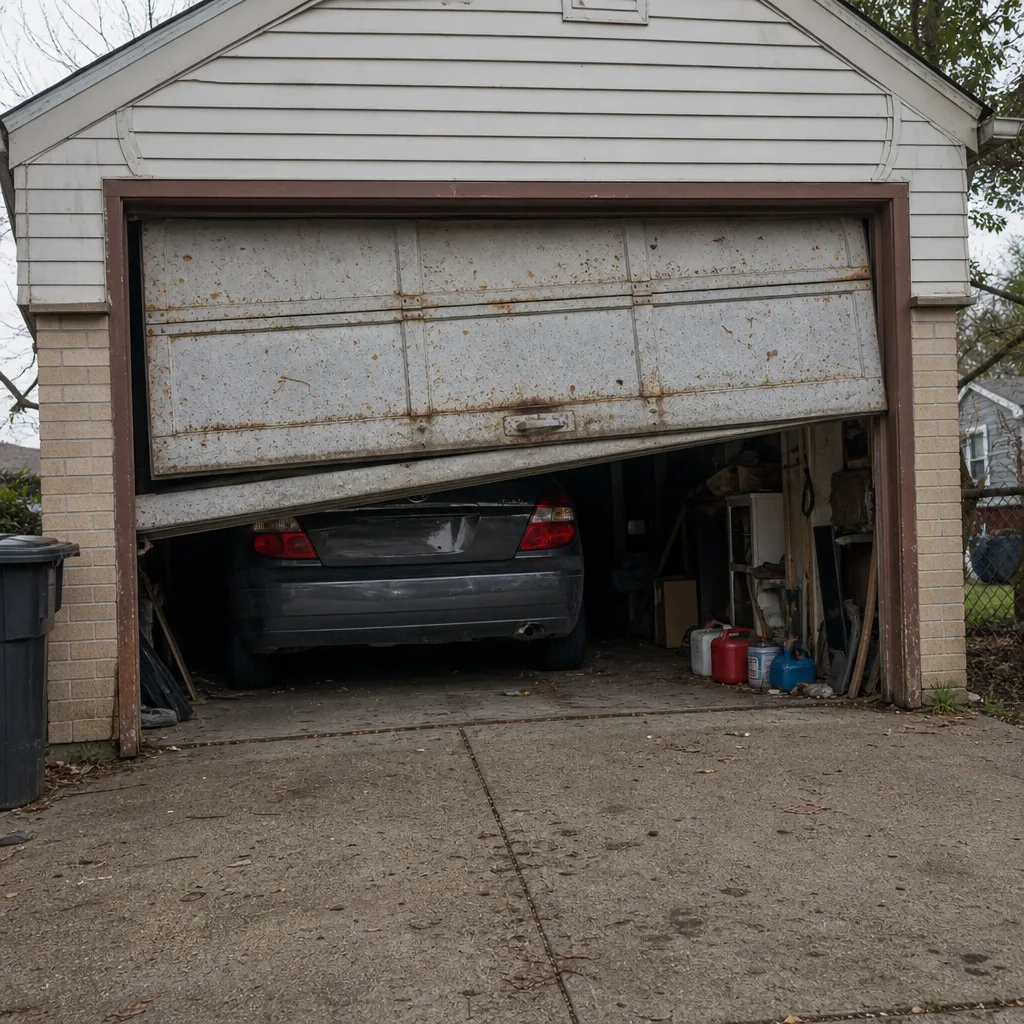 Before
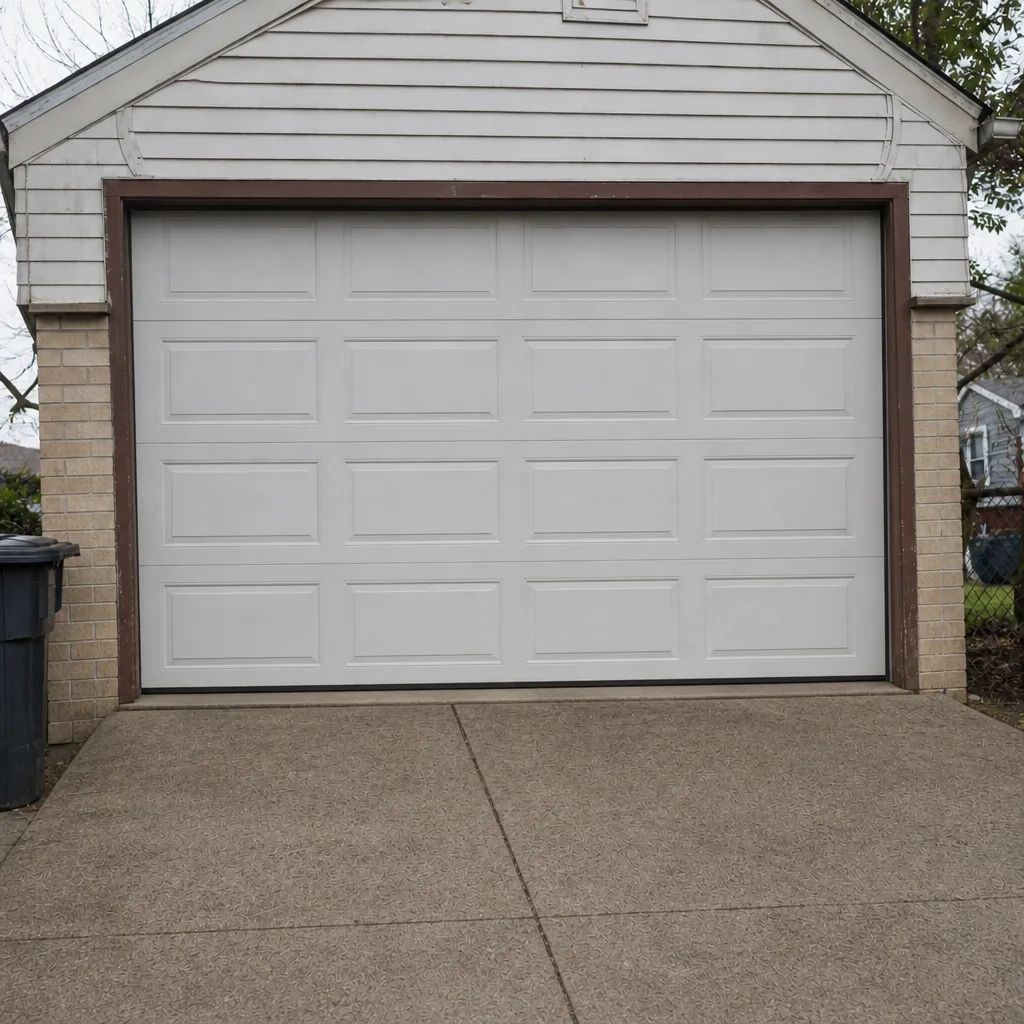 After
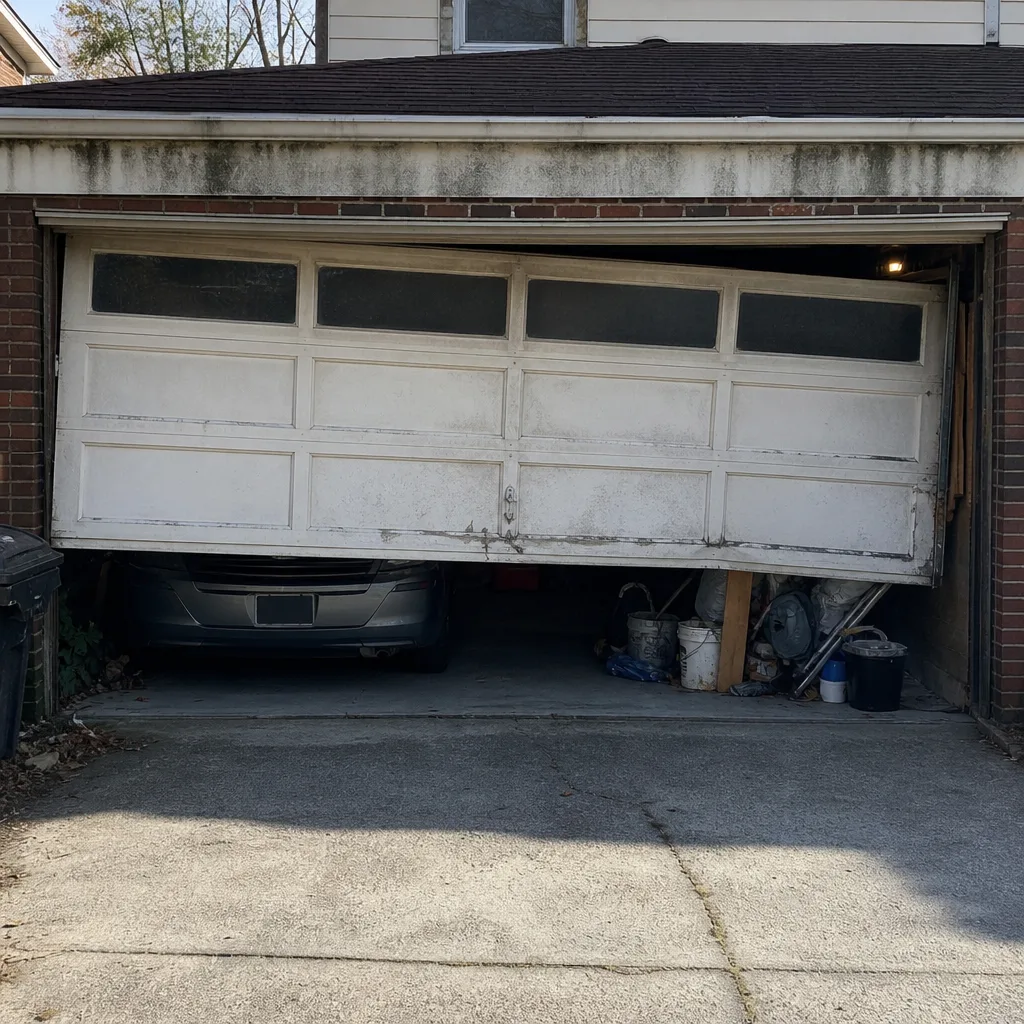 Before
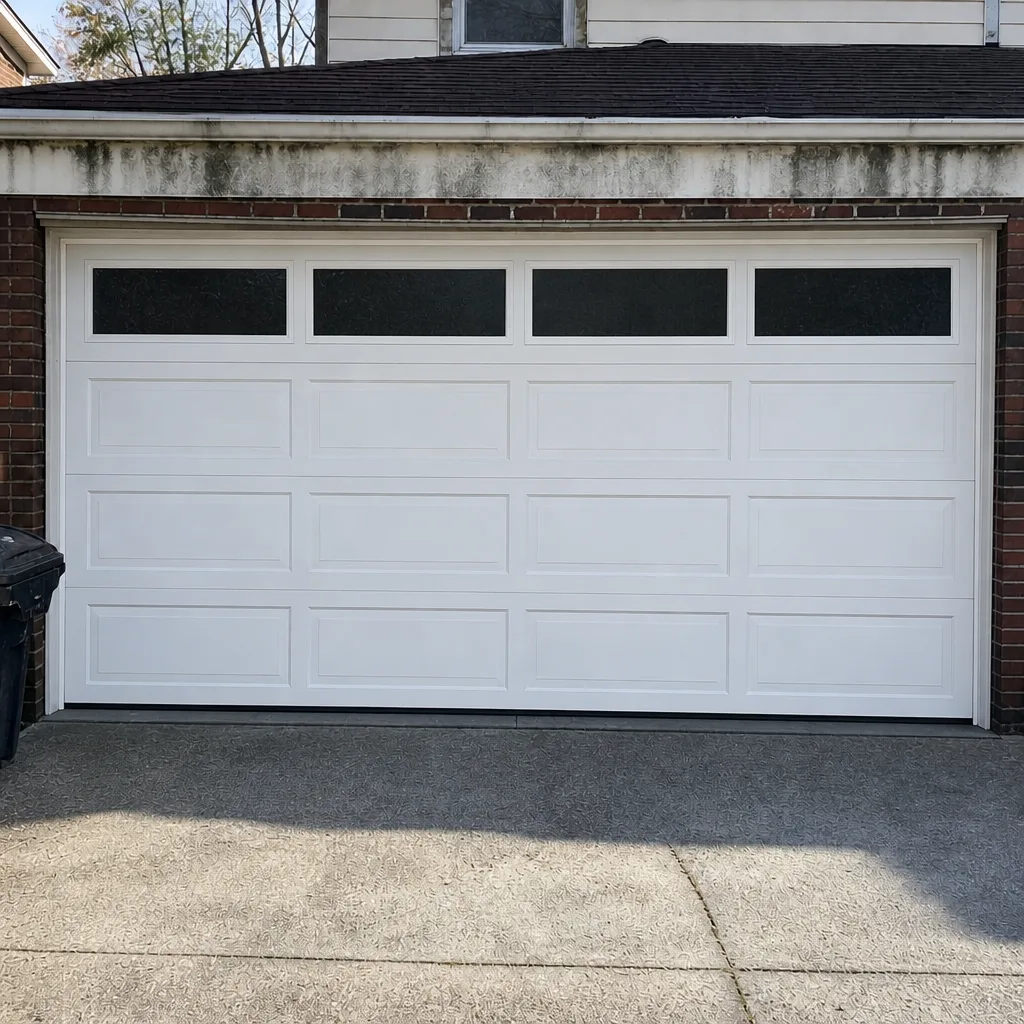 After
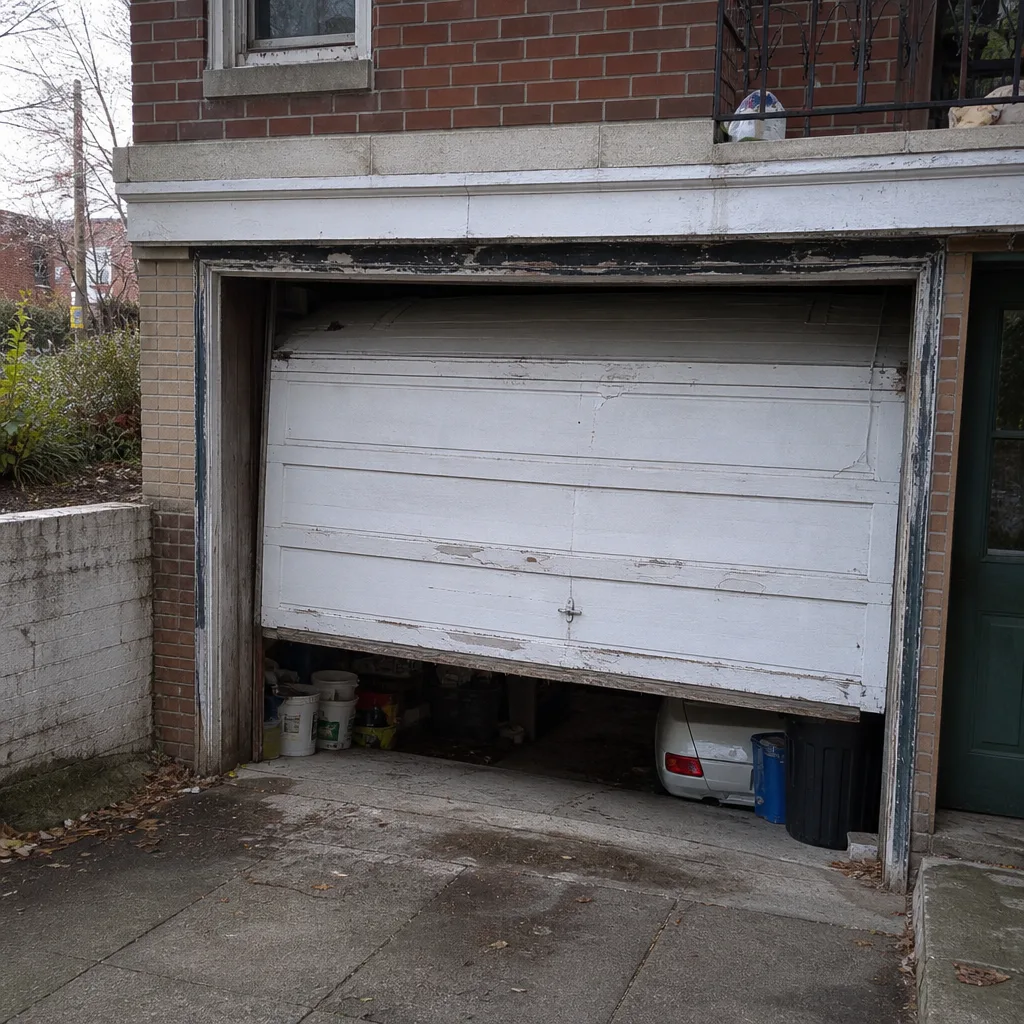 Before
 After
Common Mistakes to Avoid
- Using standard WD-40 as a garage door lubricant. It’s a solvent, not a lasting lubricant, and once it thins out in cold weather, moving metal runs dry. Use a cold-rated lithium or silicone product for anything that pivots or rolls.
- Skipping the bottom seal replacement until the seal fails outright. Once it’s fully cracked through, water gets underneath and freezes flat against the floor, and that’s where freeze-thaw damage starts in Washington Heights. Replace it once it starts flattening.
- Adjusting spring tension yourself. This is one of the most dangerous DIY jobs on a garage door in any season. Torsion and extension springs hold enough stored energy to cause serious injury. Always call a specialist for spring work.
- Ignoring spring corrosion. Salt tracked onto the garage floor and up onto the bottom of a door is a slow, persistent problem. By spring, untreated corrosion has usually spread. Wipe down the lower panels and brackets and look for rust early.
- Forgetting the opener sensitivity setting after a seasonal shift. Metal hardware expands and contracts, and a setting that worked in fall may not work in summer. Test the reversal feature each time the seasons turn.
- Painting over rust without treating it first. On steel doors, painting over rust just hides it while moisture keeps working underneath. Sand, treat and prime the spot before repainting.
- Letting summer humidity do its work on a wood door unattended. Panel gaps that grow year over year are a sign the door’s finish has broken down. Refinish before the swelling gets worse.
When to Call a Professional
Some seasonal care is genuinely a homeowner task – lubricant, visual inspections, testing. But some things should always go to a trained specialist. Call a professional when you notice: a broken spring (you’ll hear it and see it), a cable that’s off its drum or frayed, a door that hangs unevenly or comes off its track, an opener that reverses or fails to reverse unexpectedly, a panel that’s badly rusted or cracked, or any time the door itself feels unstable or heavy.
Springs and cables are the two components we consistently ask homeowners to leave alone. The stored energy in a torsion spring is enough to cause serious injury, and there’s no safe way to work on one without proper training and tools. Any time a spring or cable is involved, call a professional.
Garage Door Repair Washington Heights offers free estimates in Washington Heights – call (833) 968-8233. Our technicians have up to 13 years of experience, and we work on the major brands including LiftMaster, Chamberlain, Genie and Clopay, so most doors don’t need a second opinion. Whether you need a seasonal tuneup or a full new garage door installation, one call covers it.
Frequently Asked Questions
Two to three times a year is typical in this climate, with one of those applications timed for early fall so the cold-rated lubricant is fresh going into winter. Focus on hinges, rollers and pivot points rather than the tracks themselves. If you can hear squeaks or grinding, lubricate sooner than scheduled.
A cold-rated lithium-based or silicone-based lubricant formulated for garage door hardware. Avoid standard WD-40 – it’s a solvent, not a long-lasting lubricant, and it thins out once the temperature drops. Apply to moving metal (hinges, rollers, pivots) but not the track surface, which attracts dirt and grit.
Spring is the usual replacement window here, after the salted slush has stopped and before summer humidity. If the seal is showing cracks, flattening or spots where it no longer meets the floor evenly, replace it in spring rather than waiting until fall. A seal that has any visible gap is no longer doing its job.
Yes. Wood and wood-composite doors absorb moisture in humid summer air, causing panels to expand and panel gaps to open slightly. Those gaps then let more moisture in, and the cycle repeats. Monitor panel seams in July and August, and refinish thin spots in the finish before swelling gets worse.
Freeze-thaw cycles are the culprit. Washington Heights doesn’t get the sustained deep cold of upstate New York, so water repeatedly freezes, expands and thaws through seal gaps and hardware joints. By late February the accumulated stress on springs, seals and hardware has built up enough to cause sudden failures. This is why fall prep matters so much – you’re setting the door up to survive the whole winter cycle, not just the coldest nights.
You can usually test the reversal feature yourself with a small object on the floor, and most openers have accessible force dials for adjustment. But if you’re not sure you’re setting it correctly, have a technician check it – a force setting that fails to reverse when it should is a real safety issue. Our garage door opener repair team can verify all settings as part of a seasonal tuneup.
Yes, and the principles are the same. New doors still go through the freeze-thaw cycle, and the bottom seal is still the first component to wear. Even a well-made Clopay or Amarr door benefits from fall lubrication and spring seal inspection. If anything about the installation itself concerns you, that’s worth mentioning on your first call.
The Bottom Line
Seasonal care for a Washington Heights garage door isn’t about following a generic four-seasons checklist. It’s about matching your maintenance to what’s actually happening to the door’s materials and hardware across the year – cold-rated lubricant in fall, post-salt inspection in spring, humidity monitoring in summer, and freeze-thaw prep before the first frost. The key tasks – lubricant choice, seal inspection, opener sensitivity – are homeowner items. Springs and cables are always a professional job. Do the simple work yourself and know when to hand it off, and you’ll see fewer of those late-February failures that catch most homeowners by surprise.
If anything you’ve read here points to a job you’d rather not take on, Garage Door Repair Washington Heights can help. Call (833) 968-8233 for a free estimate. We work on virtually every major brand, from LiftMaster to Genie to Clopay, and our technicians have up to 13 years of experience with the doors and openers that are actually installed across Washington Heights. Whether you need a routine seasonal tuneup, a bottom seal replacement, or a full new installation, one call covers it. We’ll give you a written quote before any work starts, so you know the price before we begin.
Written by the team at Garage Door Repair Washington Heights.