Last updated November 21, 2026
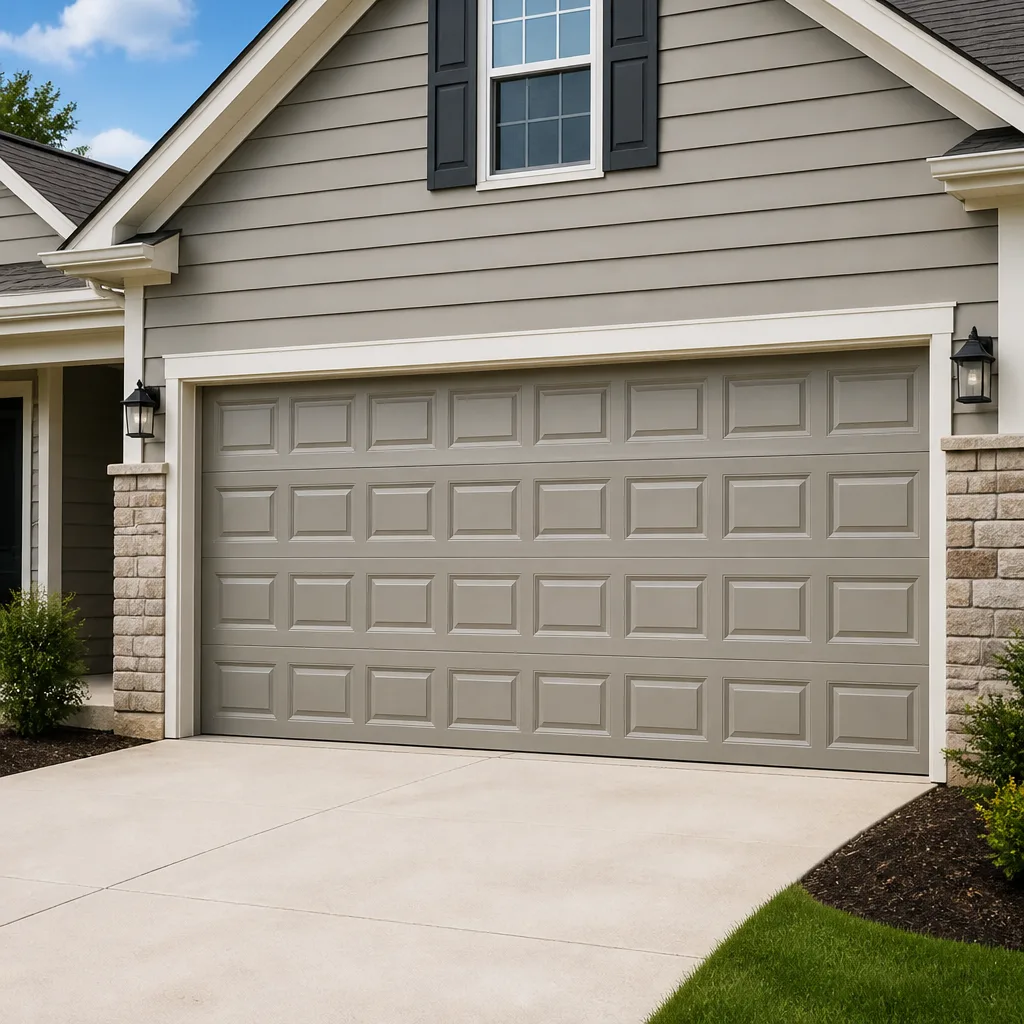 Raised-panel steel
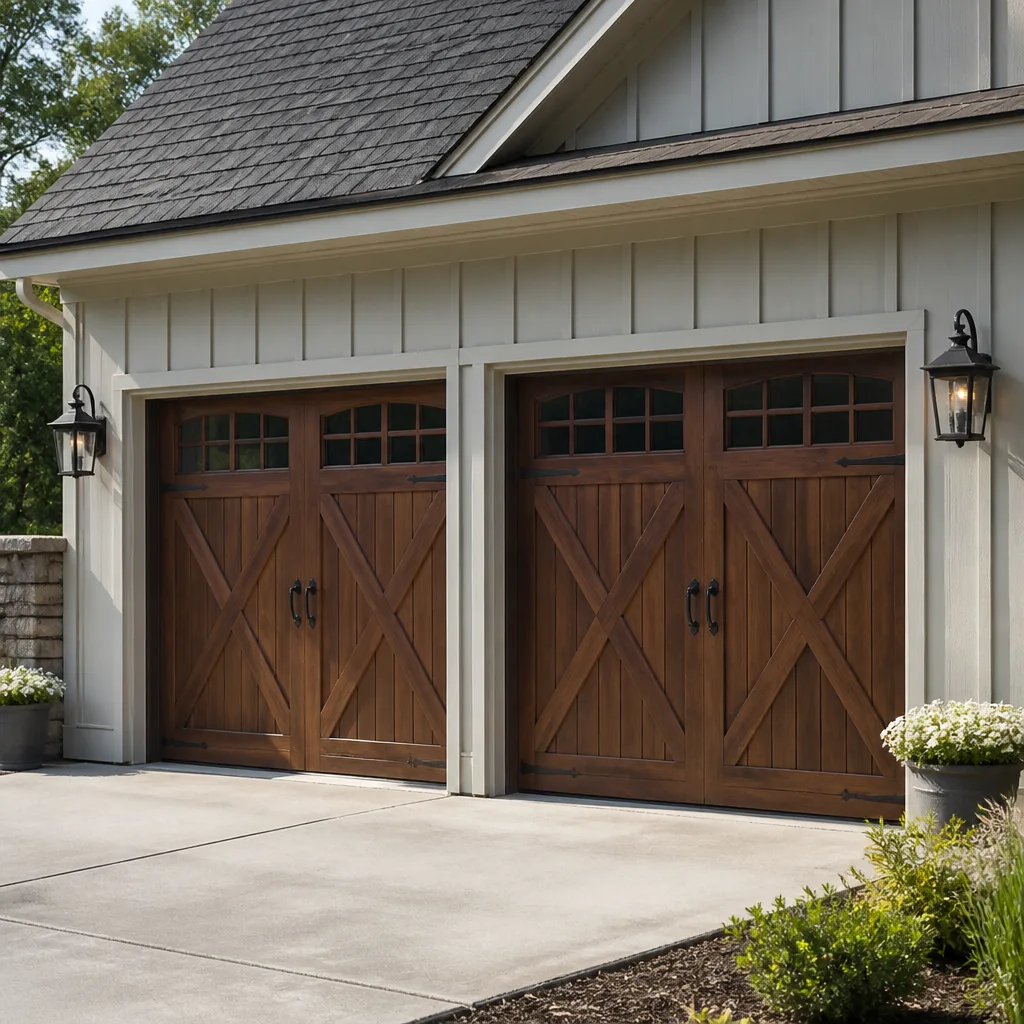 Carriage house
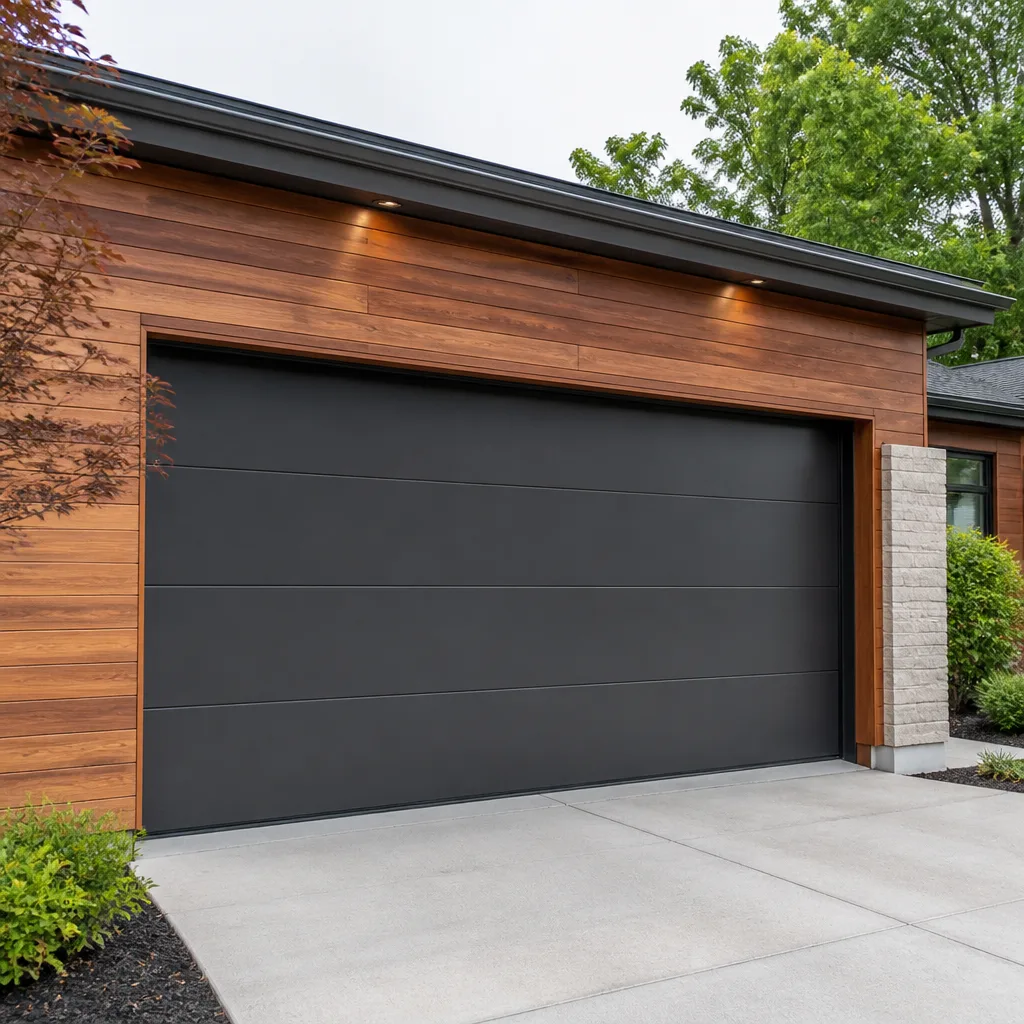 Modern flush
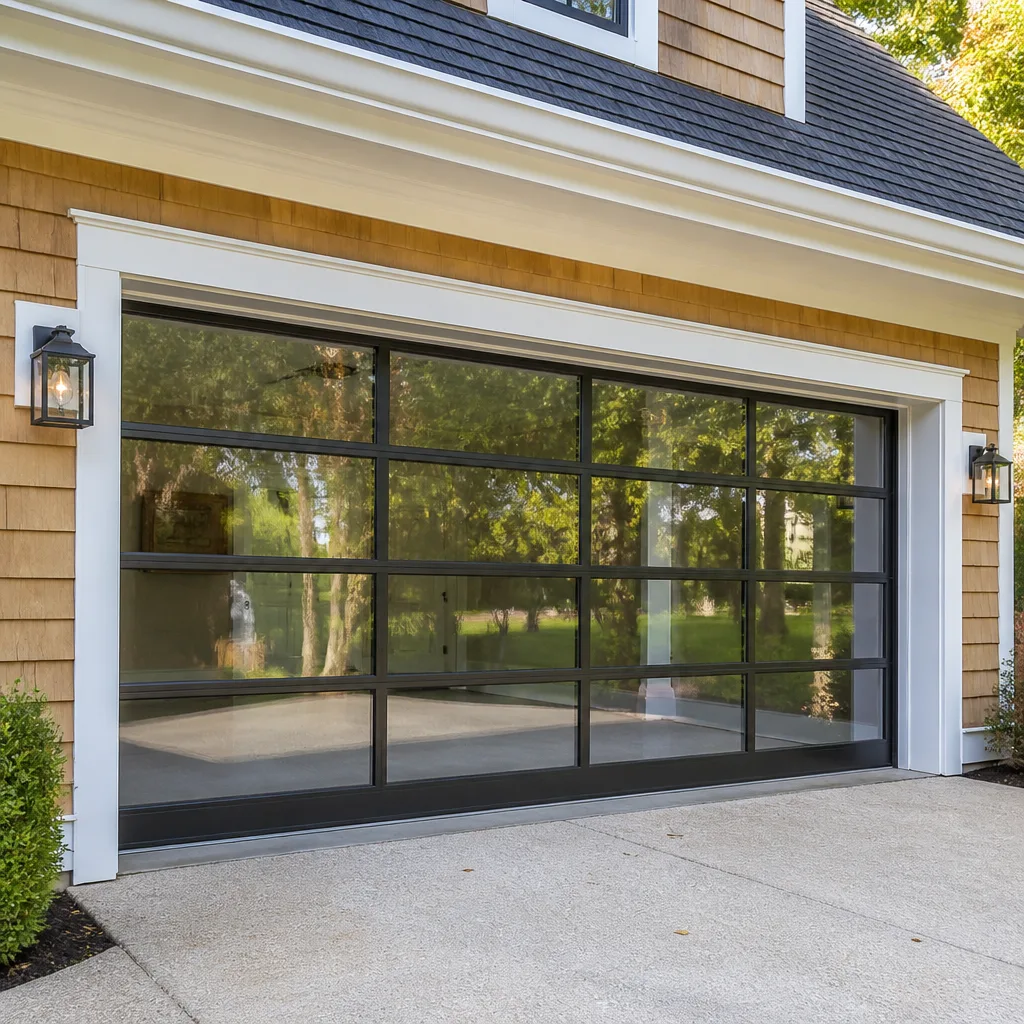 Full-view glass
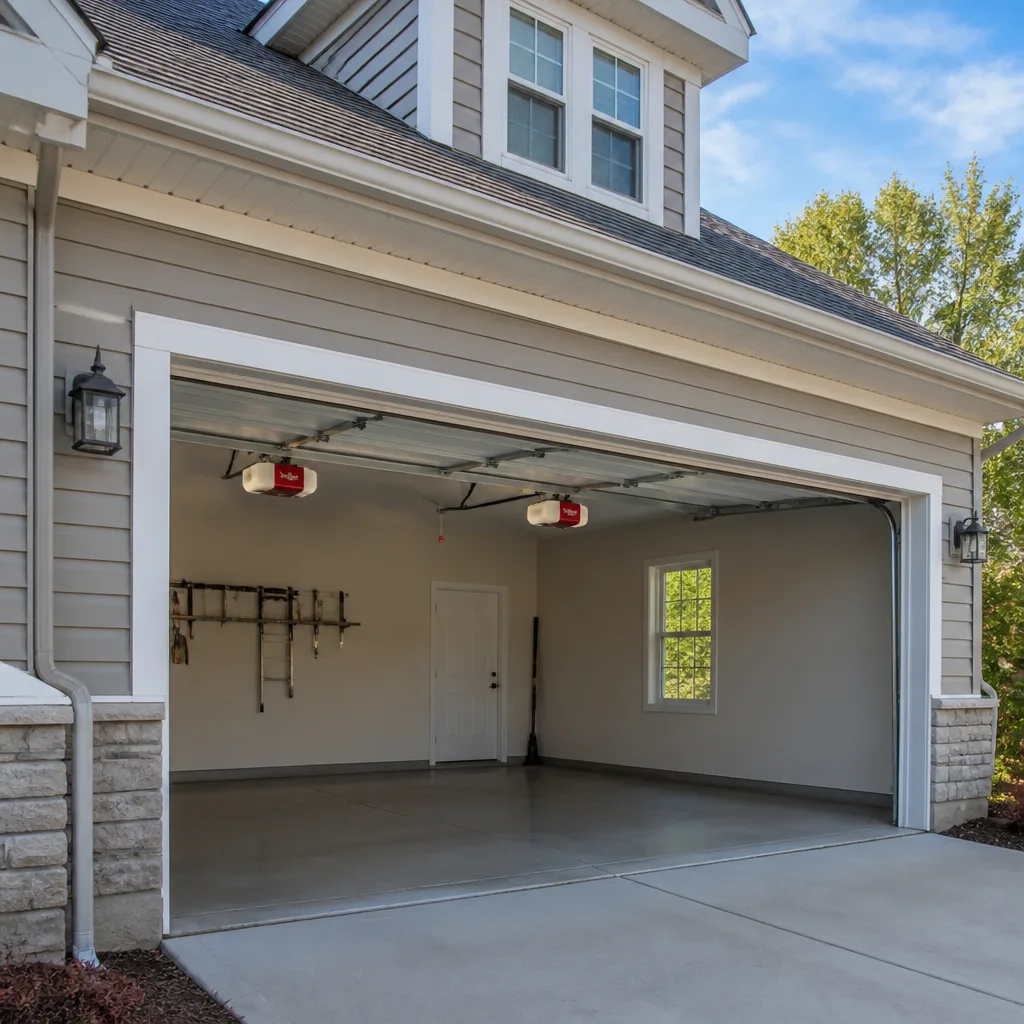 LiftMaster openers
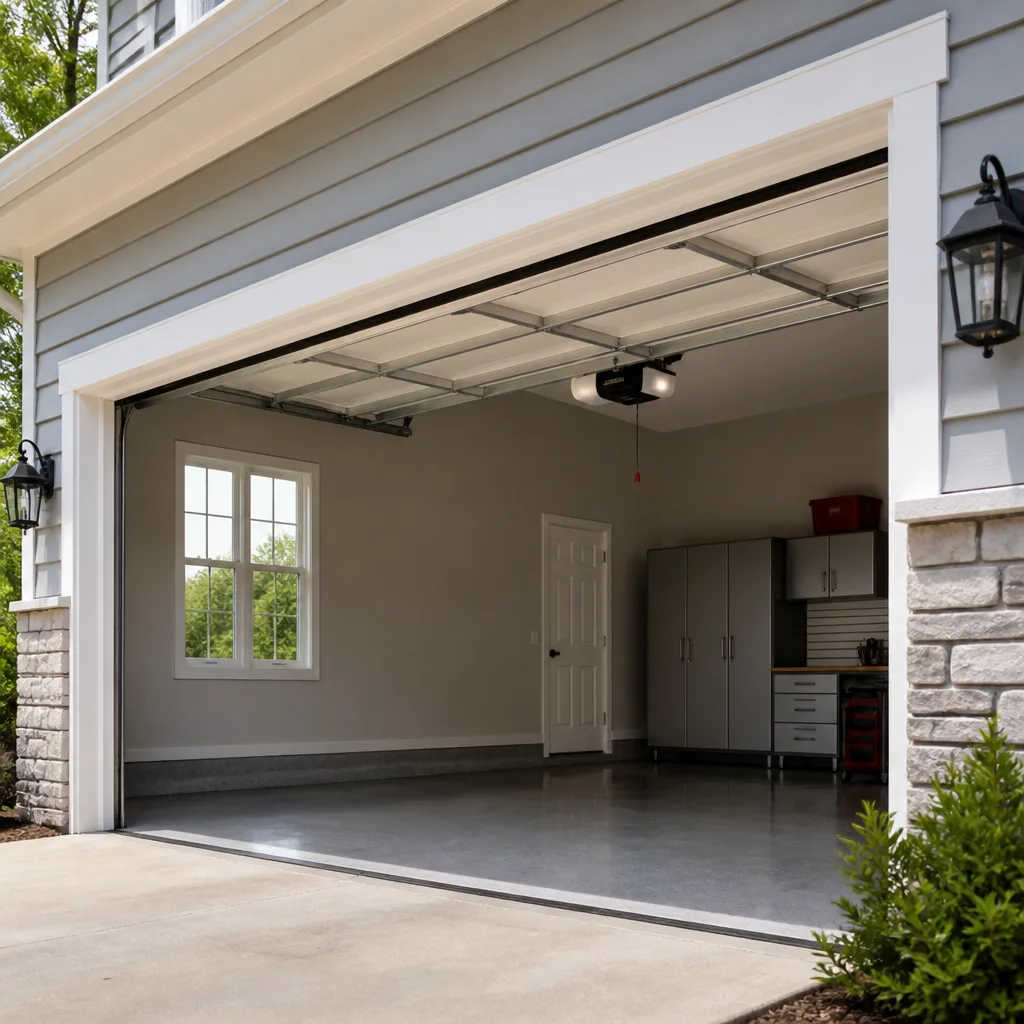 Chamberlain openers
Full 25-point door and opener safety check with every visit - springs, cables, rollers, tracks, and your LiftMaster or Chamberlain opener included
You get a price before we start. It does not change when the pro arrives.
Get your free estimateGarage Door Repair Maintenance Checklist for Washington Heights Homeowners
Skipping lubrication on a cold January morning in Washington Heights doesn’t just cause squeaking – it can snap a torsion spring within weeks, because cold metal and dry bearings are a failure combination. Most checklists you find online were written for a suburban three-car garage with a wide driveway and no foot traffic. A Washington Heights door lives a different life: stop-and-go use, road grit, winter salt spray, and tight clearances between buildings. This guide breaks maintenance into what to do monthly, seasonally and yearly, with the specific products and inspection points that matter here. You’ll learn how to test tension safely without adjusting it, when to stop and call a specialist, and how to tell normal wear from a problem that will strand your car.
Quick Answer
At minimum, your garage door needs lubrication and a visual inspection once a month, a full hardware and seal check each season, and an annual balance and opener calibration test. In Washington Heights, the winter months do the most damage, so spring tension, bottom seals and anything metal should get extra attention before the first hard freeze. Anything involving springs, cables or the opener’s internal adjustments is a job for a trained technician, not a homeowner with a can of lubricant.
Styles & brands we work with
- Raised-panel steel
- Carriage house
- Modern flush
- Full-view glass
- LiftMaster openers
- Chamberlain openers
Table of Contents
- Monthly Tasks: The 15-Minute Routine
- Seasonal Checks Built Around Washington Heights Weather
- How to Test Spring Tension Safely (And When to Stop)
- Bottom Seals and Weatherstripping: Rodents, Water and Cold Air
- Opener Force and Auto-Reverse Calibration
- Rust and Corrosion Points on Steel Doors
- The Annual Deep Check
- Common Mistakes to Avoid
- When to Call a Professional
Monthly Tasks: The 15-Minute Routine
Once a month, give the door a few minutes of attention. This is the routine that prevents the majority of expensive failures, and it takes less time than a coffee break. The key is doing it consistently, especially during the cold months when metal contracts and dry parts bind.
Start with a visual sweep from the ground up. Look at the spring above the door, the cables running down each side, the hinges where panels connect, and the rollers in the tracks. You’re looking for rust spots, frayed cable strands, loose bolts and any grease that has turned sticky and collected grit. In Washington Heights, the grit accumulates faster than in quieter areas because doors face street traffic and airborne dust on a daily basis.
Then lubricate. Use a silicone-based or lithium grease spray, not WD-40 and not cooking oil. Apply it to the hinges, the roller stems, and the bearing plates at each end of the shaft. A quick shot on each moving point is enough. Wipe off excess so it doesn’t attract more grime.
Finish with a quick balance test. Disconnect the opener using the release cord, lift the door halfway by hand, and let go. A healthy door stays put. A door that slides down or shoots up is out of balance, and that’s your first signal to call.
Here’s the monthly sequence in order:
- Inspect springs, cables, rollers and hinges for rust, fraying or looseness.
- Lubricate hinges, roller stems and bearing plates with silicone spray or lithium grease.
- Wipe away excess lubricant and any grime buildup.
- Test the balance: disconnect the opener and lift the door halfway.
- Check that the door opens and closes fully without hesitation or grinding.
- Listen. New noises are early warnings.
Seasonal Checks Built Around Washington Heights Weather
Washington Heights sits on a ridge above the Harlem River, and that geography means real swings in temperature and humidity across the year. Steel doors expand in summer and contract in winter, and the wood frame around them moves with the seasons. A checklist that ignores this is missing the biggest source of wear.
Before winter (late fall). This is the most important seasonal check. Cold weather stiffens grease and shrinks metal just enough to stress springs. Lubricate every moving point with a product rated for low temperatures. Check the balance again as temperatures drop. Inspect the bottom seal for cracks and gaps. Look at the cables for any sign of rust. If you can see daylight under the door, cold air and water are getting in.
Spring. As temperatures warm, the door may feel looser or noisier for a week or two. That’s normal expansion. Clean the tracks with a damp cloth and check for debris. Look at the panels for any new dents or warping. Test the opener’s auto-reverse feature now.
Summer. High heat softens grease, so check for drips and reapply where needed. Look at the weatherstripping around the frame for sun damage. Make sure the door still balances properly.
Fall. Before cold sets in, do a full inspection. Check for rust on any steel sections, especially near the bottom where road salt spray can reach. Verify the bottom seal is intact. Test the opener force and auto-reverse settings.
Because Washington Heights gets both hot, humid summers and cold, dry winters, the seasonal checklist here is more than a formality. It’s the maintenance rhythm that keeps a door working when temperatures shift by 40 degrees between July and January.
How to Test Spring Tension Safely (And When to Stop)
You can check whether your springs are balanced without touching them. That’s the safe part, and it’s genuinely useful. What you can’t do – what no homeowner should ever do – is adjust the springs themselves. Torsion springs are under extreme tension and can cause serious injury or death if handled incorrectly. This is the part of your door system that a trained technician handles, and it’s the part we specialize in.
Here’s how to test tension at home safely:
- Disconnect the opener with the release cord.
- Lift the door by hand to hip height.
- Let go gently. The door should stay in place.
- Lift it higher, to shoulder height. Let go. It should stay.
- Lower it to knee height. Let go. It should not slam down.
If the door stays put at all three heights, the springs are doing their job. If it slides down, shoots up, or feels unusually heavy to lift, the spring isn’t carrying its share of the load. Stop testing there and call a technician.
If you hear a loud bang from the garage, see a gap or break in the spring coil, or notice the door suddenly feels much heavier to lift by hand, call immediately. That bang is a broken spring, and the door should not be used. Springs that snap don’t just leave you stranded; they leave the door in an unpredictable state that could fall.
Spring repair is the most dangerous part of garage door service, and it’s also the most commonly botched do-it-yourself job. We handle torsion and extension spring replacement as a core specialty, and we recommend that anyone in Washington Heights with a suspected spring problem treat it as a same-day call rather than a weekend project. Call garage door repair before the door has a chance to jam in a half-open position.
Bottom Seals and Weatherstripping: Rodents, Water and Cold Air
In Washington Heights, the gap under a garage door is the easiest entry point for mice and rats, and it’s the first place water finds its way in during a heavy rain. This isn’t hypothetical – any homeowner near the older housing stock and retaining walls knows what a small gap under a closed door can let through.
The bottom seal is the rubber or vinyl strip that runs along the lowest panel. Weatherstripping is the material around the door frame on the sides and top. Both wear out with use and temperature cycling. Check them at least quarterly, and again after any severe cold snap.
Inspecting the bottom seal:
- Close the door fully and look for daylight under it from outside or inside.
- Slide your hand along the seal from one side to the other. It should feel continuous and pliable, not cracked or brittle.
- Look for tears, flattened spots and any place where the rubber has pulled away from the panel.
- Check for debris trapped between the seal and the floor.
Weatherstripping around the frame should sit flush against the door when closed. If it’s pulling away, cracked, or missing sections, water and cold air get in and heat escapes. Replacing weatherstripping is a straightforward job, but it has to be sized correctly for the frame. If you’re unsure of the dimensions, a specialist can measure and fit it properly.
Also look at the point where the door meets the floor on both sides. Uneven concrete or a settled floor can leave a gap even with a good seal. A threshold strip as a fix works only if the underlying floor is intact. We’ve seen enough Washington Heights doors with water damage around the bottom panel to know this warrants attention before the damage moves up the panel.
Opener Force and Auto-Reverse Calibration
The opener does two things: it lifts the door, and it stops when something is in the way. Most homeowners check the first and ignore the second. That’s a mistake. The auto-reverse feature is a genuine safety mechanism, and a mis-set opener can push down on an object or a person with more force than it should.
Testing auto-reverse takes two minutes:
- Open the door fully.
- Place a solid object (a two-by-four laid flat works) in the middle of the doorway where the door will meet it.
- Press the control to close the door.
- The door should reverse immediately on contact with the object.
- If it doesn’t reverse, or if it pushes hard before reversing, stop using the door and call for service.
The force setting is adjustable on most openers, but the adjustment varies by brand and model. LiftMaster, Chamberlain, Genie, Craftsman and Raynor all use different control layouts, and a setting that works for one will be wrong for another. Adjusting the force without knowing the correct spec for your unit can make things worse. Our technicians work on virtually every major brand, and we can calibrate the force setting properly for your specific opener.
Beyond force and reverse, listen to the opener itself. Grinding or rattling that wasn’t there before often points to worn gears or a failing motor unit. A door that stops halfway and reverses may have a misaligned sensor or a binding track. If you’re noticing any of this, garage door opener repair is the fix. Trying to recalibrate an aging opener that needs a part is time wasted.
Rust and Corrosion Points on Steel Doors
Much of the garage door stock in Washington Heights is steel or steel-backed, and steel is vulnerable to rust where paint is scratched and moisture gets in. In this part of Upper Manhattan, road salt spray during the winter is a real factor. Salt tracked onto the street, kicked up by cars and spread across the sidewalk, reaches the lower panels and the frame bolts on a regular basis. Left alone, rust starts small and works outward.
Inspection points, in order of importance:
- Bottom panel and seal line. Salt and water collect here first. Look for bubbling paint or orange-brown spots.
- Fastener heads and bolted connections. Rust around hinges and track bolts often signals that moisture is getting behind the frame.
- Track bottoms and the door’s lowest corners. This is where standing water tends to sit.
- Anywhere the paint has chipped or scratched. A scratch is an entry point for moisture.
- Springs and cables. Rust on a spring shortens its life. Rust on a cable means the strands are weakening.
If you catch rust early, a light sanding, a rust-inhibiting primer, and a matching topcoat will often stop it. If a spring or cable shows rust, don’t try to fix it by painting over it. Those components are replaced, not repaired. Springs work under constant tension and any weakening is a risk.
Wayne Dalton and Clopay both make steel doors with factory finishes that hold up well, but factory finish doesn’t stop road salt from attacking the hardware. Lubrication and a routine wipe-down of the lower panels after the winter months go a long way. A garage door installation with a properly prepped and finished door is easier to keep rust-free than one that’s already showing corrosion.
The Annual Deep Check
Once a year, budget an hour for a full inspection, and plan to bring in a technician for the parts you shouldn’t touch. The annual check is where you catch small issues before they become expensive.
Here’s what belongs on it:
- Balance test. The same test from the monthly routine, done carefully. Any imbalance means a service call.
- Full hardware inspection. Every hinge, roller, bracket and bolt. Look for loosening, wear and misalignment.
- Track alignment. Use a level. Tracks should be plumb and parallel. A bent track will wear rollers out fast.
- Cable inspection. Look for fraying, rust or kinks. Cables are under tension and should be replaced by a professional if there’s any sign of wear.
- Spring inspection by a technician. Springs can’t be safely inspected for internal wear from the outside. A trained eye can tell how much life is left.
- Opener service. Gear wear, lubrication and the force and reverse settings.
- Seal and weatherstripping replacement if needed.
- Panel inspection. Dents, warping and any structural issues that affect how the door seals.
Our technicians have up to 13 years of experience, and most of the annual service calls we handle trace back to one deferred check that finally caused a failure. A missed lubrication in November turns into a snapped spring in February. A frayed cable in spring turns into a door that won’t close in summer. The annual check is the rhythm that keeps those small failures from becoming big ones.
Common Mistakes to Avoid
- Using WD-40 as a lubricant. It’s a penetrating oil, not a lubricant. It drives out moisture but doesn’t leave the coating that hinges and bearings need. Use silicone or lithium grease instead.
- Oiling the tracks. Tracks should be clean and dry. Oil attracts grit, and grit wears rollers out faster. Wipe the tracks down; don’t grease them.
- Adjusting the springs yourself. This is the single most dangerous mistake a homeowner can make with a garage door. Even one loose turn on a torsion spring can release enough energy to break bones. Leave springs to a technician.
- Ignoring a new noise. A new squeak, grind or bang is a message. Most Washington Heights doors that need an emergency call gave a warning a week or two earlier.
- Skipping the fall check. Cold weather is the trigger for most spring failures. A door that passed a July inspection can still fail in January without a fall look-over.
- Painting over rust on springs or cables. Rust weakens metal, and paint hides the problem rather than fixing it. Replace those parts, don’t cover them.
- Testing the auto-reverse with a hand or foot. It’s not a test if the door can come down on you. Use a solid object, not a body part.
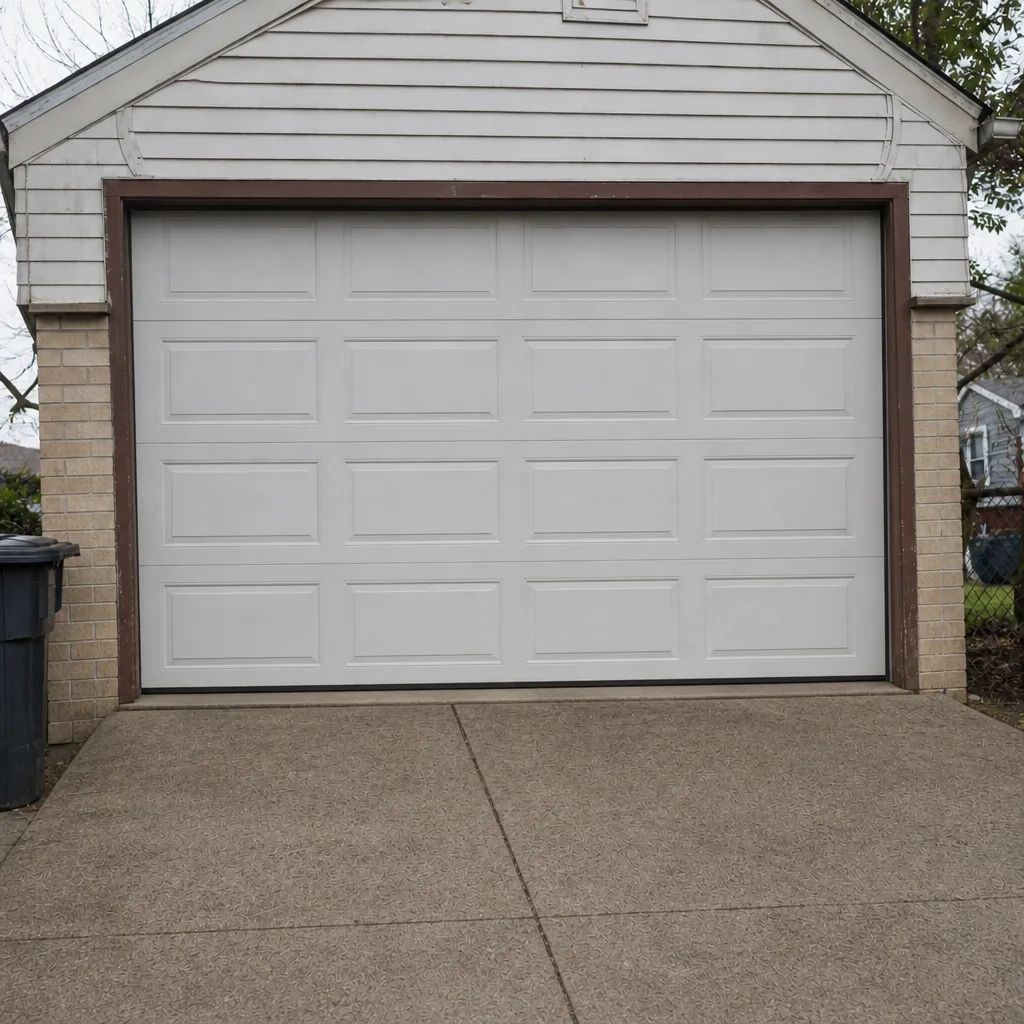
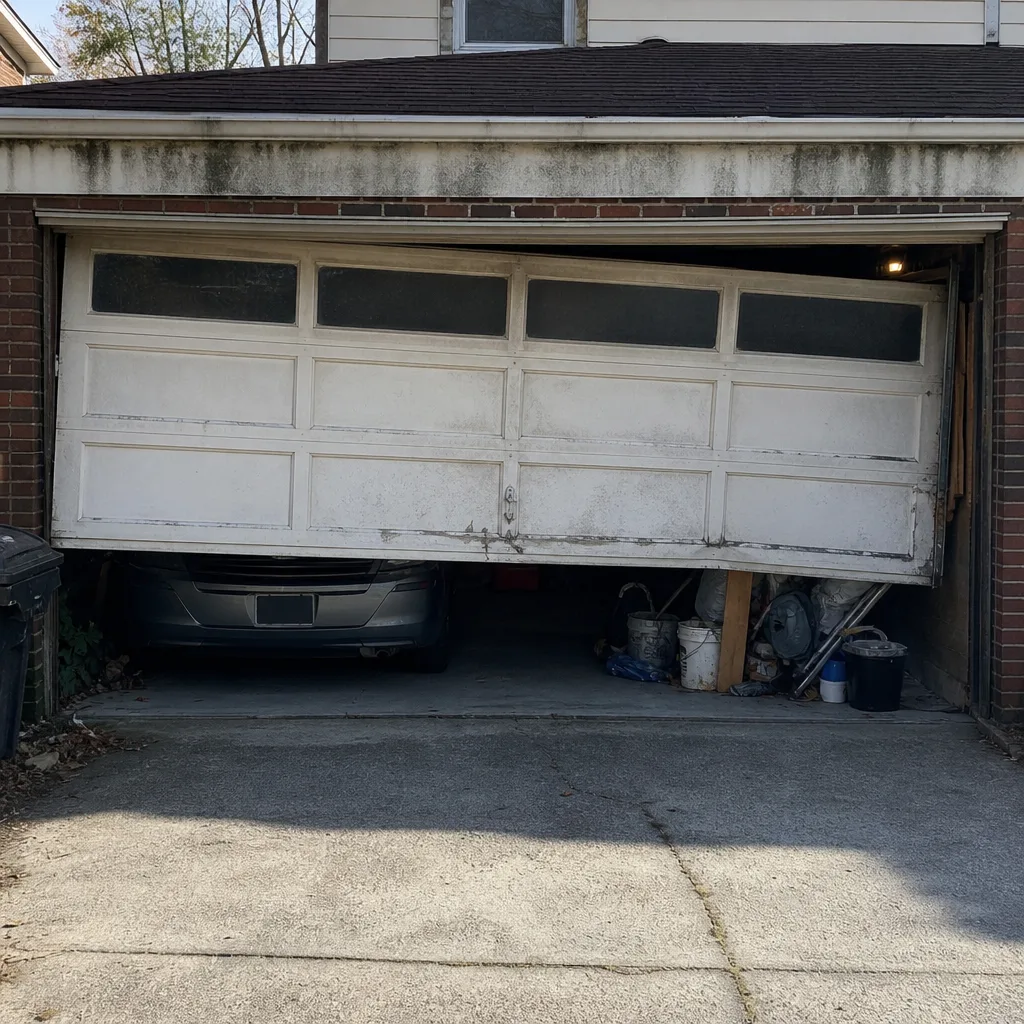
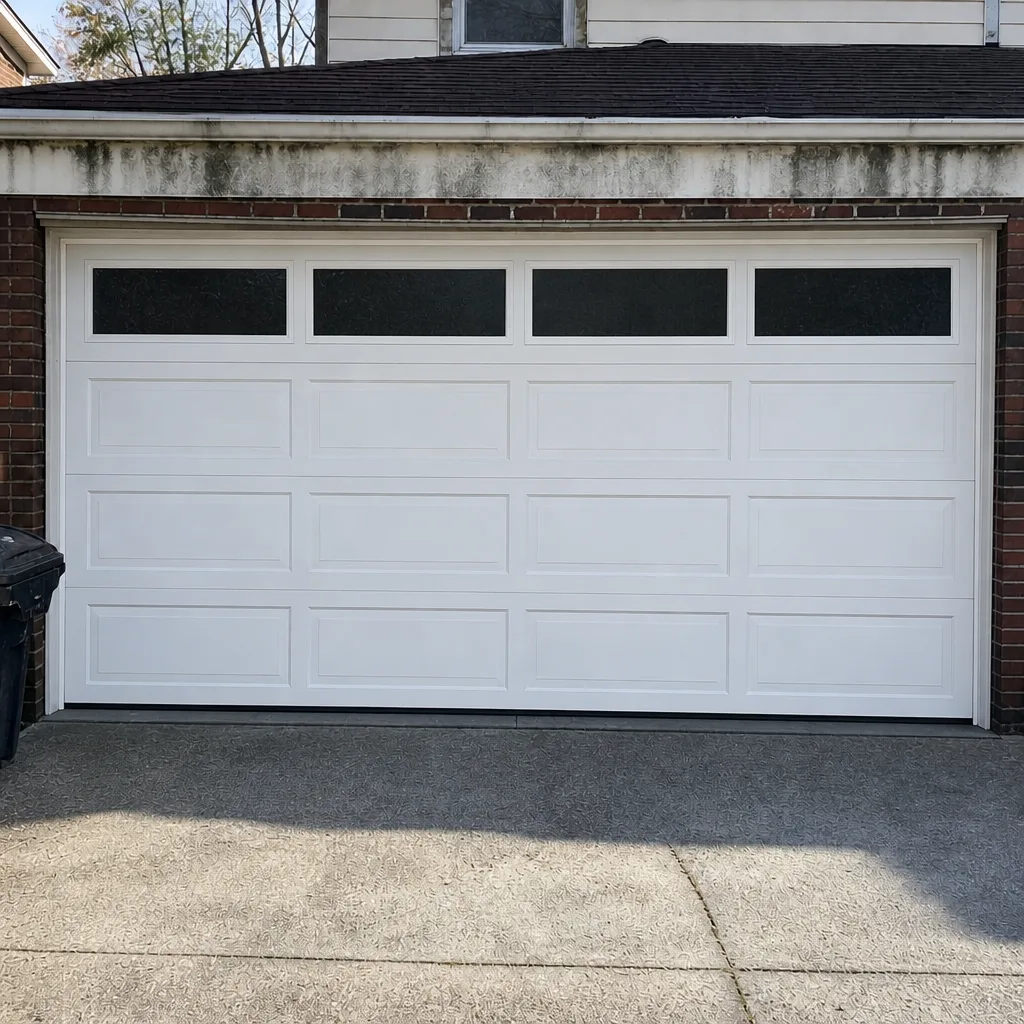
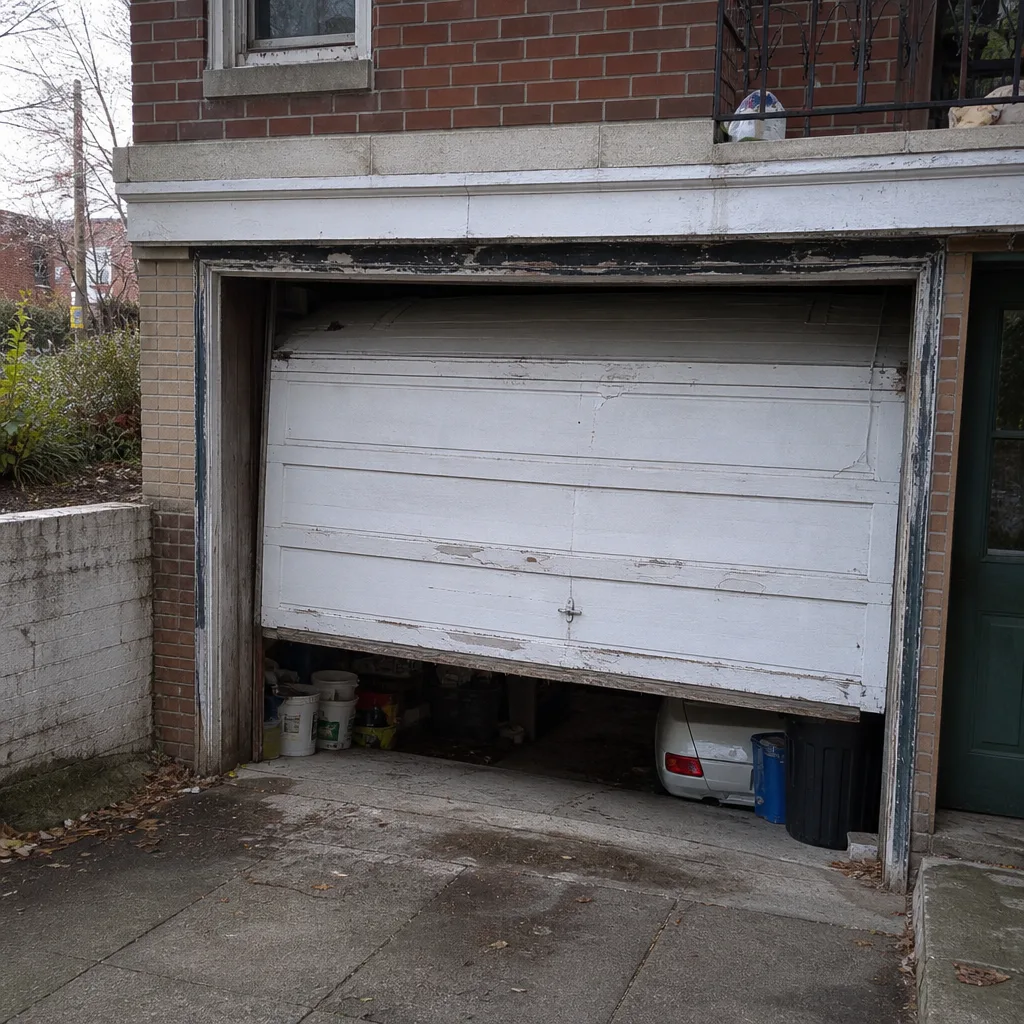
See the difference
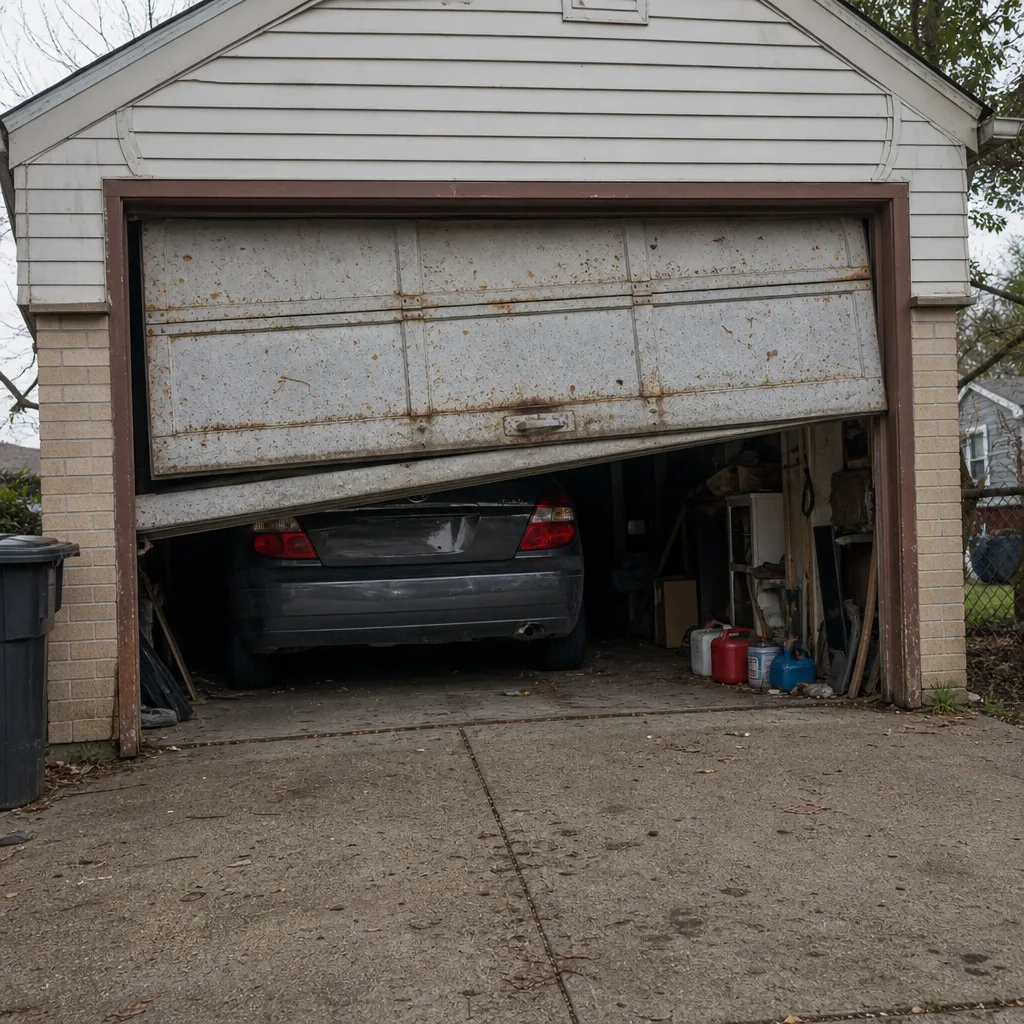 Before
 After
 Before
 After
 Before
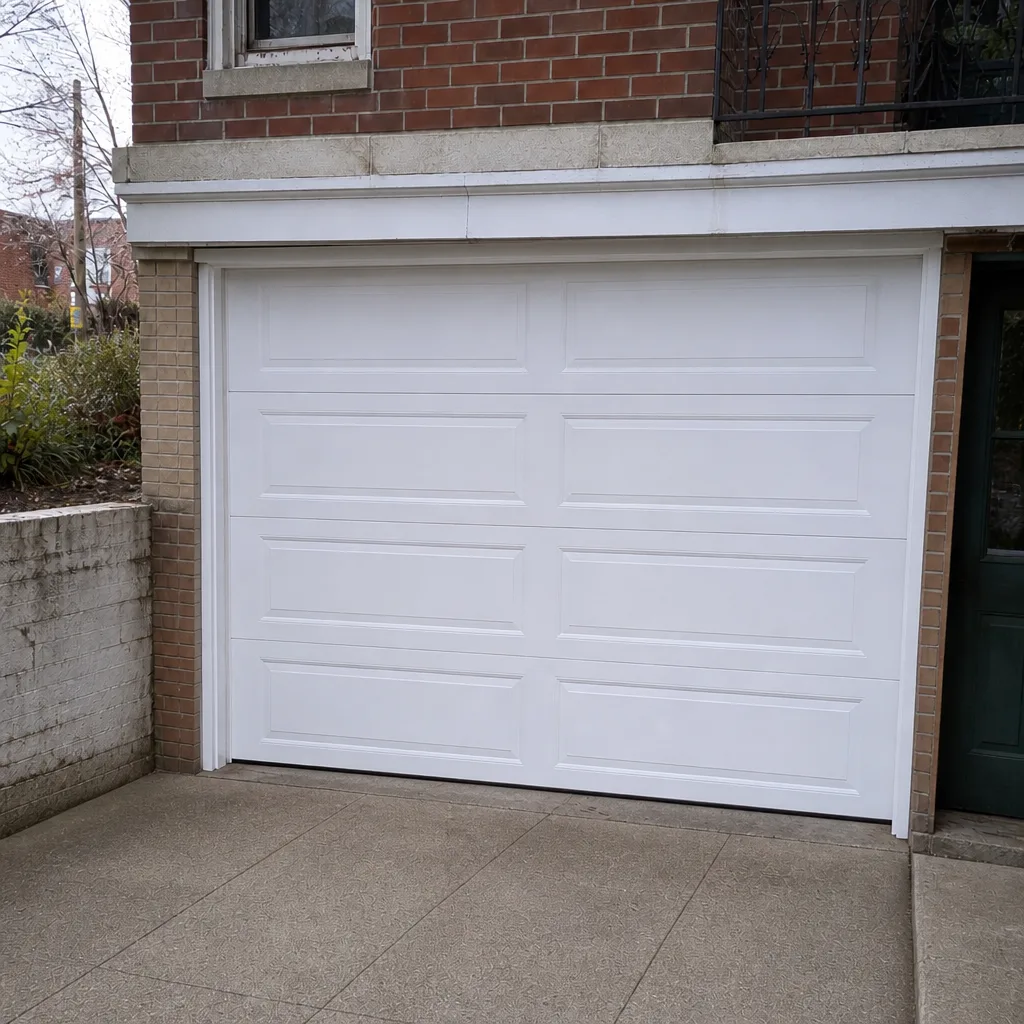 After
When to Call a Professional
Most of the checklist in this guide is safe for a homeowner. A few parts are not. Call a specialist if you notice any of the following: a snapped or visibly damaged spring; a door that feels unusually heavy to lift; frayed, kinked or rusted cables; a door that reverses halfway through closing; a door that won’t close at all; an opener that grinds, rattles or stops mid-cycle; visible rust on the springs or cables; or a door that has come off its track. Any of these means the door is either unsafe or close to failing, and a homeowner with a can of lubricant can’t fix that. The other situation worth a call is the annual deep check on a door more than a few years old. It’s cheap compared to a failure. Garage Door Repair Washington Heights offers free estimates in Washington Heights – call (833) 968-8233.
For the broader picture of what service involves – from a single repair to a full replacement – the main page on Garage Door Repair Washington Heights is a useful place to start. For a specific issue, garage door repair covers the diagnostic side, and garage door opener repair covers the motor and control side.
Frequently Asked Questions
Once a month is the right rhythm, and more often during the winter. Cold weather stiffens grease and stresses metal, and Washington Heights gets real temperature swings between summer and winter. Lubricate hinges, roller stems and bearing plates with silicone spray or lithium grease, and wipe off excess so it doesn’t collect grit. Call (833) 968-8233 if the door feels heavier than usual even after lubrication.
Yes, and you should. Disconnect the opener with the release cord, lift the door halfway, and let go. A balanced door stays in place. If it slides down, shoots up or feels too heavy to lift, the spring isn’t carrying its load properly. Stop testing and call a technician. Never try to adjust the spring yourself; torsion springs are under extreme tension and can cause serious injury.
Cold causes metal to contract, which tightens the stress on a spring that’s already near the end of its life. Dry bearings and stiff grease add to the load on the spring. A spring that would have lasted another few months might fail in January if it wasn’t lubricated in the fall. If your spring snaps, don’t use the door; call a technician right away.
Look for daylight under the closed door, cracks or tears in the rubber, and gaps where the seal has pulled away from the panel. Run your hand along the seal; it should feel continuous and pliable, not brittle. In Washington Heights, a worn bottom seal also lets mice and water in, so it’s worth replacing promptly.
Only if you know the exact spec for your opener. The force setting is different on LiftMaster, Chamberlain, Genie, Craftsman and Raynor units, and an incorrect setting can make the door push too hard on obstructions. If you’re not sure, test the auto-reverse with a solid object first. If it doesn’t reverse cleanly, call a technician to calibrate it. Call (833) 968-8233 for an exact quote.
For the safe parts, no. Lubrication, balance tests, seal checks and auto-reverse testing are all homeowner-level tasks. For the spring, cable and opener inspections, yes. Those parts need a trained eye, and a technician can catch wear that isn’t visible from the outside. A trained specialist will also carry the right brand-matched parts, which saves you a second visit if something needs replacing.
The Bottom Line
Maintenance on a Washington Heights garage door comes down to rhythm. Monthly lubrication and a balance check, a seasonal inspection built around cold winters and road salt, and an annual deep check that includes the parts you shouldn’t touch. The parts most homeowners skip – spring tension testing, auto-reverse calibration, rust inspection on steel panels – are the parts that cause the most expensive failures. There’s no single fix that keeps a door running; the routine does. Our technicians have up to 13 years of experience, we work on virtually every major brand, and garage doors are all we do. If you’d rather have a specialist look the door over, call (833) 968-8233 for a free estimate.
Written by the team at Garage Door Repair Washington Heights.