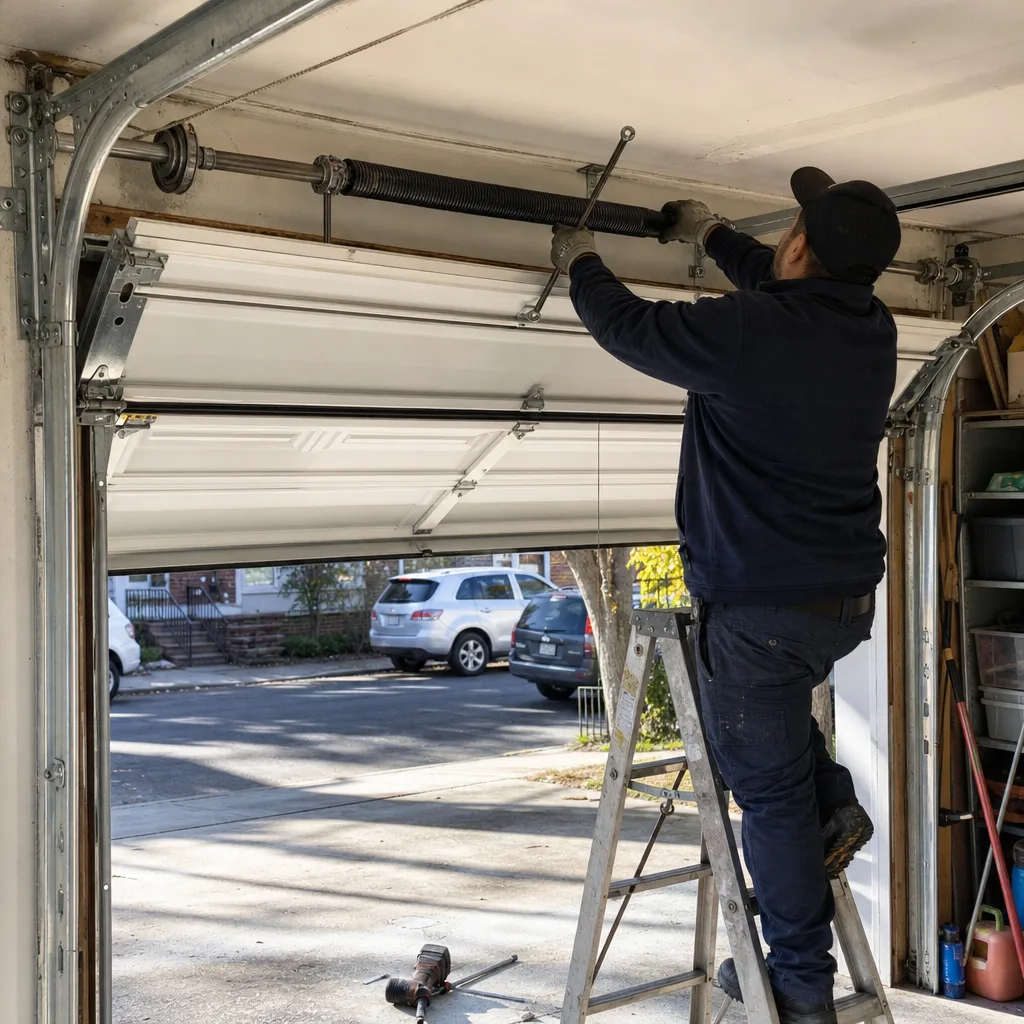
Last updated November 21, 2026
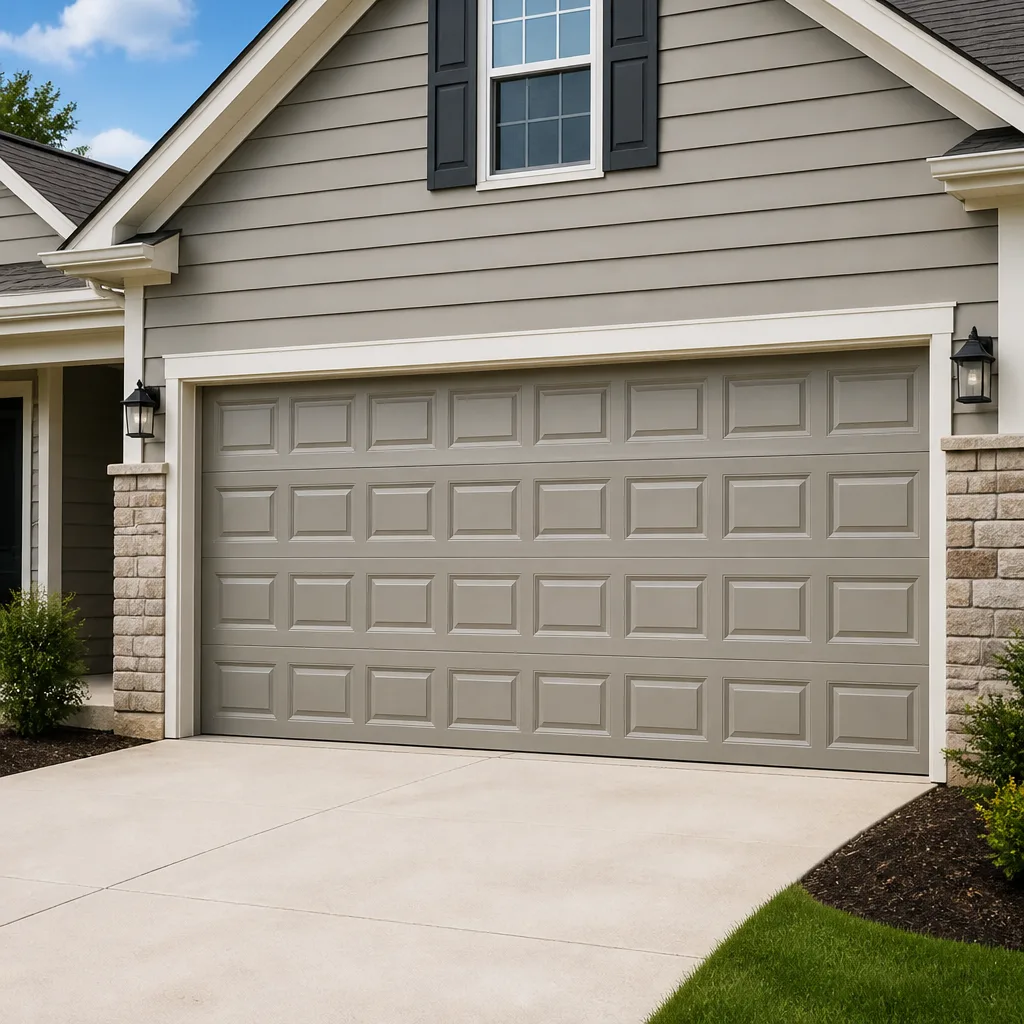 Raised-panel steel
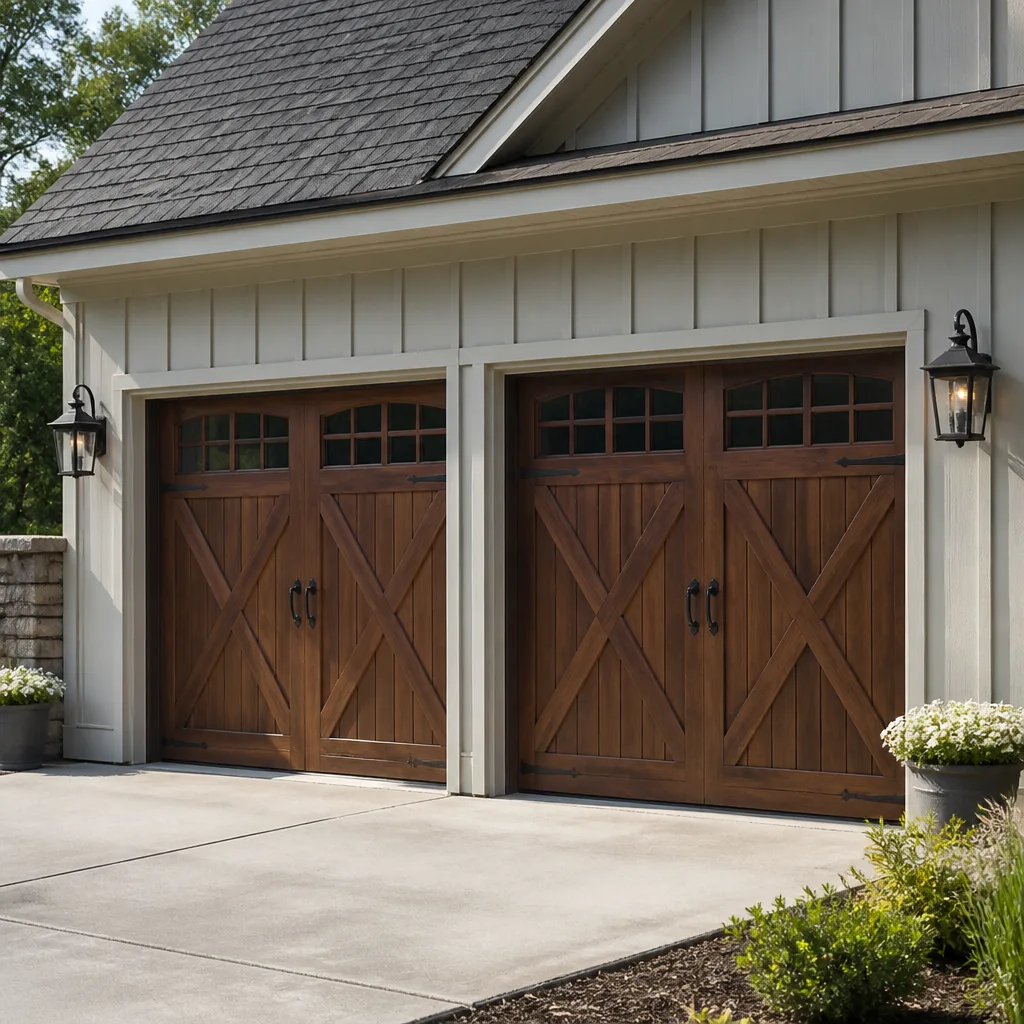 Carriage house
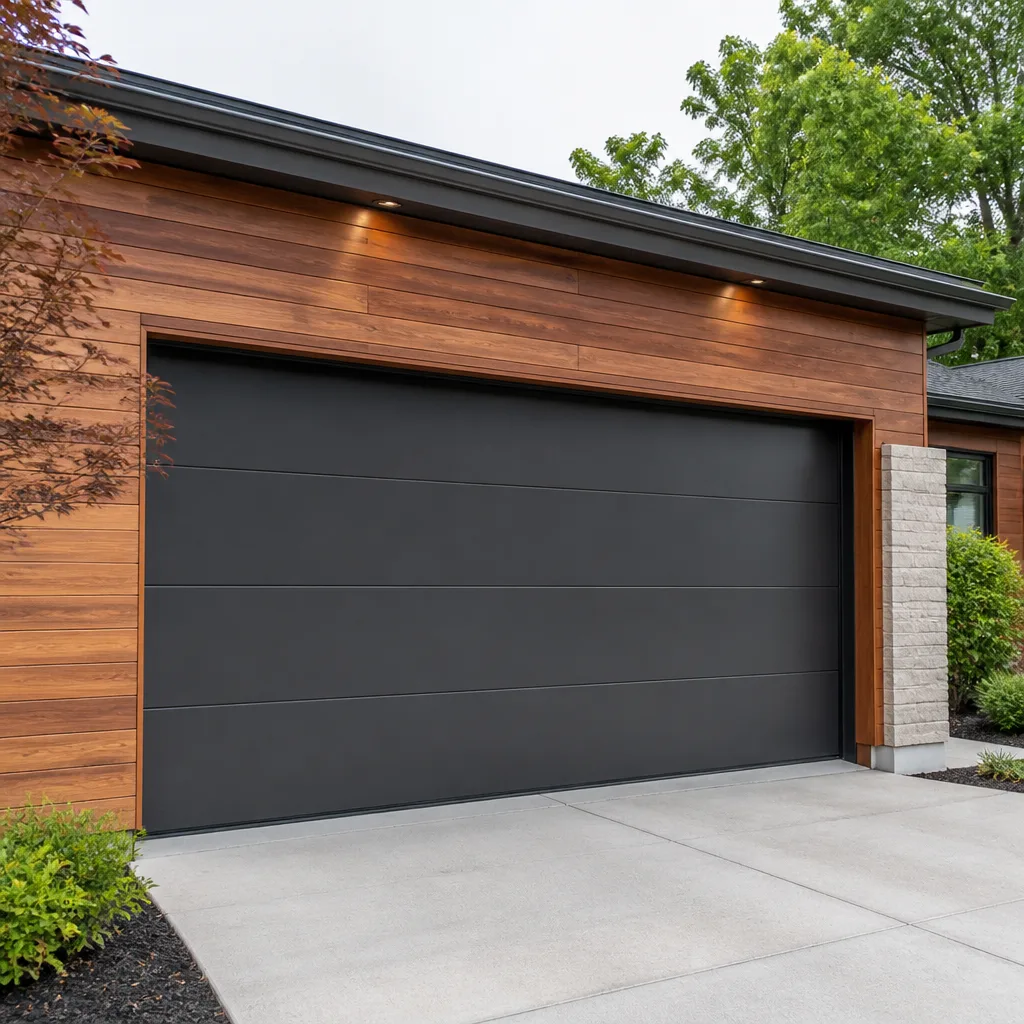 Modern flush
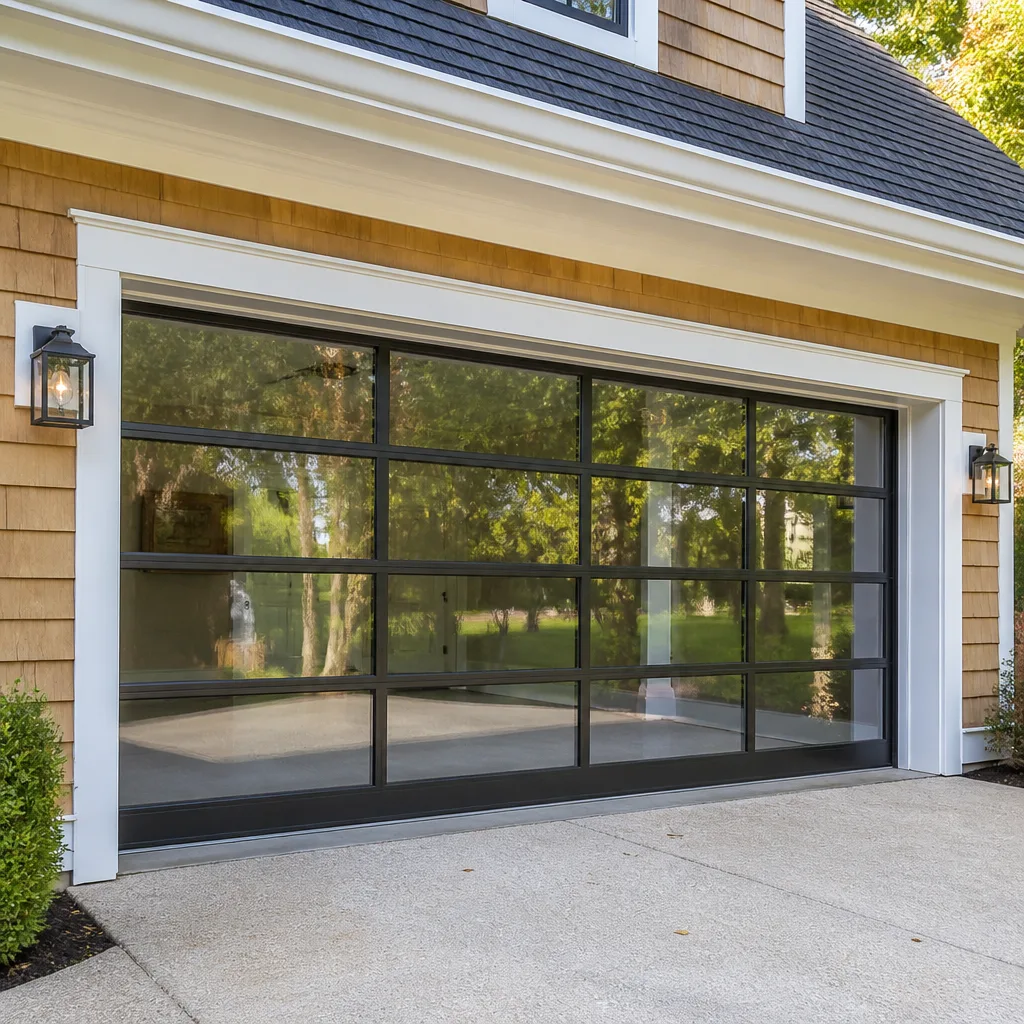 Full-view glass
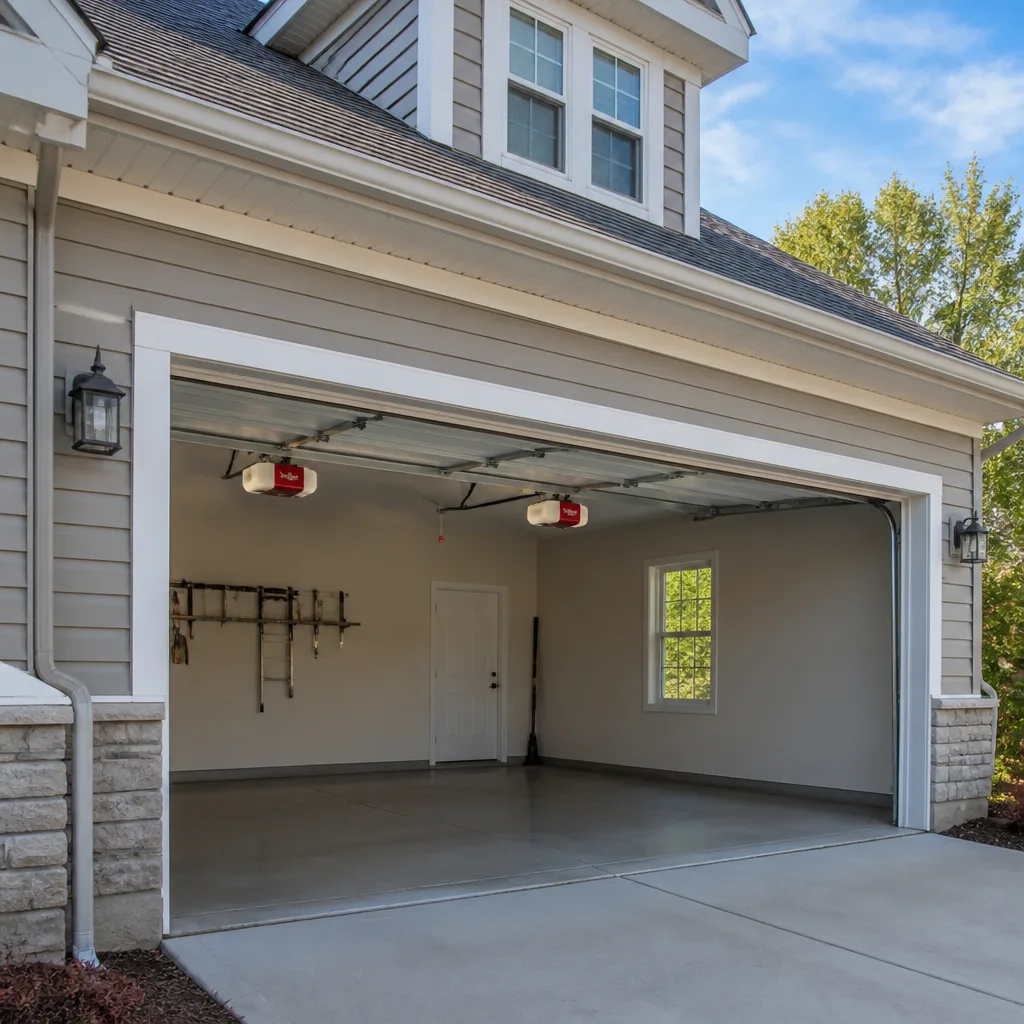 LiftMaster openers
 Chamberlain openers
Full 25-point door and opener safety check with every visit - springs, cables, rollers, tracks, and your LiftMaster or Chamberlain opener included
You get a price before we start. It does not change when the pro arrives.
Get your free estimateGarage Door Permits, Codes & Inspections in Washington Heights, NY: What You Need to Know
Replacing a garage door in New York City can require a permit under conditions that would surprise most homeowners, and finding out at closing is the worst possible time. Many people assume a garage door is a fixture like a mailbox, something you swap without telling anyone. In practice, the New York City Building Code treats some door replacements as ordinary maintenance and others as construction work that needs Department of Buildings involvement, and the dividing line is narrower than most people expect. In a neighborhood like Washington Heights, where rowhouse garages, converted carriage houses and standalone garages behind apartment buildings all sit side by side, the answer changes from property to property. This guide walks through when a permit is required, how the filing process works, how historic district designation affects exterior changes, what like-for-like replacement actually means, and what to do if you discover unpermitted work on your own property records.
Quick Answer
In Washington Heights and the rest of New York City, replacing a garage door usually requires a Department of Buildings permit when the work changes the door’s size, material, configuration, structural opening or the way the door is anchored to the building. A true like-for-like swap of the same door in the same opening sometimes qualifies as a minor repair and does not require full filing, but the exemption is narrow and the safest move is always to confirm with the DOB or a licensed filing professional before work begins. Repairs to springs, cables, tracks, rollers and openers are maintenance and do not require a permit.
Styles & brands we work with
- Raised-panel steel
- Carriage house
- Modern flush
- Full-view glass
- LiftMaster openers
- Chamberlain openers
Table of Contents
- Does Replacing a Garage Door in Washington Heights Require a Permit?
- What ‘Like-for-Like’ Replacement Means Under NYC Code
- The DOB Filing Process: Residential Buildings vs. Standalone Garages
- Landmarks and Historic Districts in Upper Manhattan
- How Unpermitted Work Shows Up on Property Records
- What Remediation Looks Like If You’re Already in That Situation
- What an Inspection Actually Covers
- Selling a Home in Washington Heights: What Buyers and Their Inspectors Look For
Does Replacing a Garage Door in Washington Heights Require a Permit?
A garage door replacement in Washington Heights requires a permit when the work alters the door’s dimensions, the opening itself, the structural header above the door, or the way the door ties into the building’s framing and exterior envelope. Repairing a door that already exists in its existing opening generally does not.
The distinction the code draws is between maintenance and construction. Maintenance keeps a building component functioning as it was originally built and approved. Construction changes the building. A new torsion spring, a snapped cable, a bent track, a failed opener, fresh rollers and hinges: all maintenance, all done without a permit. A wider door, a taller door, a different style of door that requires the opening to be modified, a switch from a sectional door to a roll-up: construction, and it needs DOB review.
In our experience working on doors across Washington Heights, the confusion usually centers on one specific case: the homeowner who wants to replace a beat-up old door with a new one of the same size and style and assumes that counts as “just a replacement.” Sometimes they’re right. Sometimes they’re not, because the new door weighs significantly more than the old one and the existing spring system, anchoring and header were sized for the original. When the door’s weight class or the spring system changes, that’s a structural consideration even if the opening dimensions stay the same.
Three quick rules help sort it out:
- Repair only: no permit. Spring, cable, roller, hinge, track, opener.
- Same door, same opening, same weight class and mounting: sometimes qualifies as a like-for-like replacement, but confirm with the DOB or a filing professional.
- Any change to size, material, weight class, opening or anchoring: plan on a permit.
If you’re weighing repair against replacement, our garage door repair team can help you decide which one makes more sense for your door and your building.
What ‘Like-for-Like’ Replacement Means Under NYC Code
Like-for-like replacement means installing a new garage door that matches the existing door in size, material, configuration, operation type and mounting method, so the building’s structure and exterior envelope are unchanged. When all of those criteria are met, the work may qualify as a minor repair rather than a new construction filing, but the exemption is narrow.
The reasoning is straightforward. The DOB’s concern isn’t the door itself, it’s the building around it. If the opening stays the same, the header beam above the door isn’t disturbed, the door’s weight is comparable, and the anchoring details mirror the original installation, then structurally nothing has changed and there’s nothing new for the department to review. If any of those elements shift, the building has been altered and the alteration needs to be documented.
Here’s how we think through like-for-like for a Washington Heights door:
- Measure the opening exactly. Same width, same height, same headroom above the door.
- Match the door’s weight class. A lightweight hollow-back door replaced with an insulated Clopay or Amarr door of similar dimensions can weigh noticeably more, and that affects the springs, the tracks and the anchoring.
- Keep the same operation type. Sectional to sectional, roll-up to roll-up, tilt-up to tilt-up.
- Keep the same mounting. The same brackets, the same jamb attachment, the same spring system location (torsion versus extension).
- Don’t touch the opening. No widening, no height change, no new framing.
When a homeowner in Washington Heights tells us they want to swap an old door for a Wayne Dalton or Craftsman model that fits the existing opening exactly, we can usually confirm it’s a like-for-like scenario, but we always recommend the homeowner call the DOB or a licensed expediter to verify before we order. The stakes are low on a repair and high on a real estate closing, and a five-minute phone call before the order beats a headache eighteen months later. Our garage door installation team can measure your opening and walk you through what’s involved.
The DOB Filing Process: Residential Buildings vs. Standalone Garages
The DOB filing process for garage door work depends on the property type. In a residential building with attached or built-in garage parking, the filing usually involves the building’s structural and exterior envelope classification and often requires a licensed architect or engineer to prepare the drawings. For a standalone garage structure on its own lot, the filing is typically narrower and closer to a minor alteration.
What that difference means in practice for Washington Heights homeowners:
- Attached garage in a rowhouse or apartment building: the door is part of the building’s exterior envelope. Any structural change to the opening or the header needs drawings prepared by a New York State licensed design professional and filed with the DOB.
- Standalone garage behind a property: the door is a component of a separate accessory structure. The filing is usually simpler, but it still needs to be filed when the work isn’t like-for-like.
- Co-op or condo building: the building’s managing agent and board typically control exterior modifications. Even if a permit isn’t required, the alteration agreement usually is.
The general outline of a DOB filing for garage door work looks like this:
- Determine the scope and classification with a licensed design professional or expediter.
- Prepare and submit the filing package to the DOB, including drawings and an approved plan examiner review.
- Obtain the permit before work starts.
- Complete the work, and note that the permit itself usually sets the sequence and any required inspections.
- Request the final inspection and close out the permit when the work is finished.
- Confirm the DOB record reflects a signed-off job so the property record shows permitted and completed work.
Two details matter more than anything else in that sequence. The first is that the permit needs to be pulled before work starts, not retroactively after the fact. The second is that the permit needs to be closed out, meaning inspected and signed off. An open permit on a property record is functionally the same headache as an unpermitted job when it’s time to sell. If you want to know which stage your project falls into, call us at (833) 968-8233 and we’ll tell you what we typically see for your building type.
Landmarks and Historic Districts in Upper Manhattan
If your garage door faces a street within a New York City historic district, or your building is individually landmarked, replacing the door triggers a separate approval path through the Landmarks Preservation Commission even when the DOB permit is straightforward. Upper Manhattan has more of these designations than many homeowners realize, and Washington Heights is no exception.
The LPC’s interest is in the door’s visible appearance from the public way: proportions, panel design, color, glazing and hardware. A modern insulated sectional door with a raised-panel profile may be fine on a garage around the corner and completely inappropriate for a landmarked facade two blocks away, where the commission is likely to expect a replacement that reads as historically compatible. That can shape what you order long before the installer shows up.
What the LPC review process usually looks like for a garage door replacement in Washington Heights:
- Verify the designation. Check whether your building is individually landmarked or falls inside a historic district boundary. The LPC’s online maps make this straightforward.
- Prepare an application. A “permit for minor work” is common for like-for-like door replacements; larger or more visible changes usually need a Certificate of Appropriateness.
- Submit photographs and specifications. Front views of the existing door, a description of the new door’s material and design, and a rationale for the change.
- Wait for the commission’s decision before ordering the door or scheduling installation.
The approval timeline can run weeks to months depending on the scope and whether the application goes to a public hearing. That timeline sits on top of the door manufacturer’s lead time, and it’s the single biggest reason a landmark-adjacent project takes longer than a homeowner expects. Plan the approval and the manufacturing window as parallel tracks, not sequential ones. If you’d like a free measure and a written price while you sort out approvals, we can get that scheduled.
How Unpermitted Work Shows Up on Property Records
Unpermitted garage door work typically surfaces in one of three places: a title search that flags an open permit or missing Certificate of Occupancy reference, a buyer’s home inspection that notes the door’s condition or installation doesn’t match the property’s documented history, or a DOB violation noticed during a routine inspection or complaint. None of these appear the day the work is done. They appear when someone outside the household starts looking closely at the property, and that’s usually at a sale.
For a Washington Heights homeowner, the most common scenario we hear about is a door that was replaced years earlier with what seemed like an exact match but actually changed the opening dimensions or the anchoring. The install looks fine day to day. Then a buyer’s attorney pulls the DOB record during contract stage, sees a door in the photos that doesn’t line up with the last recorded alteration, and asks for documentation. The seller has none, and the negotiation shifts.
Where unpermitted work tends to be caught:
- Title search and title insurance review by the buyer’s attorney.
- Home inspection report noting door condition, header condition or installation details.
- DOB complaint or inspection, which can lead to a violation if the work is judged non-compliant.
- Mortgage appraisal when the appraiser notes the exterior doesn’t match the property’s documented description.
- Co-op board or managing agent review during a resale interview.
What we tell homeowners in this situation is that the fix is almost always real and rarely catastrophic. The problem is the uncertainty and the timeline, not the door itself. For more on the repair-safety side of the trade, our garage door opener repair page covers what a professional evaluation looks like.
What Remediation Looks Like If You’re Already in That Situation
Remediation of unpermitted garage door work in NYC is usually a three-step process: figure out what was actually done, get a design professional to evaluate whether the current installation is structurally sound and code-compliant, and then either file a retroactive permit with a licensed expediter or restore the opening to its previous configuration. The path depends on what the DOB sees when it reviews the current state of the property.
Here’s the sequence that typically plays out for a Washington Heights homeowner who’s discovered an issue:
- Pull the property’s DOB record. This shows you the last recorded alteration and the current certificate of occupancy. Anything installed since then without a matching filing is what you’re dealing with.
- Have the current installation evaluated. A licensed design professional or a garage door specialist can tell you whether the door is structurally correct and whether the opening was altered.
- Decide: file retroactively, or restore. If the work is code-compliant, a retroactive permit is sometimes possible. If the work created a structural non-compliance, restoring the opening and the door to the recorded configuration is usually the cleaner path.
- Engage a licensed expediter. Retroactive filings involve more paperwork and more back-and-forth with the DOB than a fresh permit. An expediter makes that process manageable.
- Close the permit and update the record. The goal is a signed-off job on the DOB record, not just a permit that got issued.
The good news is that a garage door problem rarely stops a sale, but an undocumented garage door problem can drag on a sale for weeks or slide a negotiation. Getting ahead of it before you list is much cheaper than getting caught by it during contract. If you’re unsure whether your own door was installed under permit, a quick professional evaluation will tell you. Call (833) 968-8233 for a free estimate.
What an Inspection Actually Covers
A garage door inspection in Washington Heights covers two distinct things: what a home inspector looks at during a real estate transaction, and what a DOB inspection covers when a permit is in play. Home inspectors look at function and safety; DOB inspectors look at the permit scope and the building’s compliance with the filings.
From the home inspector’s side, the list is fairly consistent:
- Door operation: balanced travel, no binding, clean opening and closing.
- Safety reversal: the door reverses on contact and the photo-eye safety system stops the door when the beam is broken.
- Spring system: visible condition of the torsion or extension springs, cables and drums.
- Track and hardware: alignment, loose bolts, worn hinges and rollers.
- Header and framing above the door: signs of sagging, water damage or structural movement.
- Anchor points and brackets: proper attachment and no signs of repair by someone without the right tools.
From the DOB side, an inspection after a permitted garage door replacement confirms that the door was installed as filed: matching the approved drawings, within the approved opening, using the specified mounting and anchoring. An inspection that finds a door installed differently than the plans usually means a correction and a reinspection before the permit can be closed out.
One important safety point on the inspection list above. The spring system is the most dangerous component of any garage door. A torsion spring under tension or an extension spring under load can cause serious injury if handled without the proper winding bars, clamps and training. We do not recommend any DIY work on springs, and we never perform spring work without proper safety procedures in place. Our team specializes in this exact repair because it’s the job most often botched by people who shouldn’t be touching it.
Selling a Home in Washington Heights: What Buyers and Their Inspectors Look For
When a Washington Heights home goes to market, the garage door gets looked at by three separate parties: the buyer, their inspector and their attorney. Each one is looking for something slightly different, and a small unpermitted issue can set off all three.
The buyer looks at cosmetics: does the door look well maintained, does it open smoothly, does the opener work. The inspector looks at function and safety: balance, reversal, spring condition, header integrity. The attorney looks at paper: DOB records, certificates of occupancy, open permits, and the seller’s disclosure form. An unpermitted door replacement might sail past the buyer and the inspector and still trip up the attorney, which is exactly why it’s the least visible and most disruptive version of the problem.
For the seller, three things make a difference in the contract stage:
- Have your DOB record clean before listing. Closed permits, no open filings, and a certificate of occupancy that matches what’s actually on the property.
- Keep documentation for any recent door work. If a door was replaced under permit, keep the permit number, the sign-off and the contractor’s paperwork in one folder.
- Get a professional evaluation if you’re unsure. A licensed design professional or a garage door specialist can tell you in an hour whether the door was installed correctly and whether you need to file.
In our experience, most Washington Heights sellers who work through this proactively end up fine. The tricky ones are the ones who discover the issue during contract when the buyer’s attorney flags it, because now the disclosure, the price and the closing date are all in play at once. Our garage door repair Washington Heights team has worked through both sides of this, and we’re happy to give you a clear read on your specific door.
Common Mistakes to Avoid
- Assuming every garage door replacement is “just a replacement.” The size, weight class, material and anchoring all factor in. A door that’s the same width and height but a completely different construction is not automatically like-for-like under NYC code, and the DOB record will notice.
- Ordering the door before checking whether a permit is needed. If filing turns out to be required, you can’t pull a permit retroactively and expect a smooth close-out. Check the threshold first, order second.
- Overlooking historic district or landmark designation. Upper Manhattan has more of these designations than most homeowners expect. If your door faces a street in a historic district, LPC review may sit on top of DOB filing, and that timeline needs to be planned for.
- Getting a permit but never closing it out. An open permit is functionally the same headache as an unpermitted job. The final inspection and sign-off are what make the record clean.
- Letting a non-specialist install a door that needs structural consideration. A door that weighs more than the original door affects the springs, the tracks and the header anchoring. A generalist installer may not catch that the header needs reinforcement, and the problem shows up years later.
- Trying to sort out the permit question only at closing. Title review is the worst time to discover an issue. Sellers should verify their records and get an inspection before they list in Washington Heights, not after the buyer’s attorney gets involved.
- Tackling spring work as a DIY project. The money you save on a spring repair is not worth the risk. Springs under tension cause serious injuries when the tools or the training aren’t right, and we strongly recommend calling a trained professional for anything involving the spring system, cables or drums.
See the difference
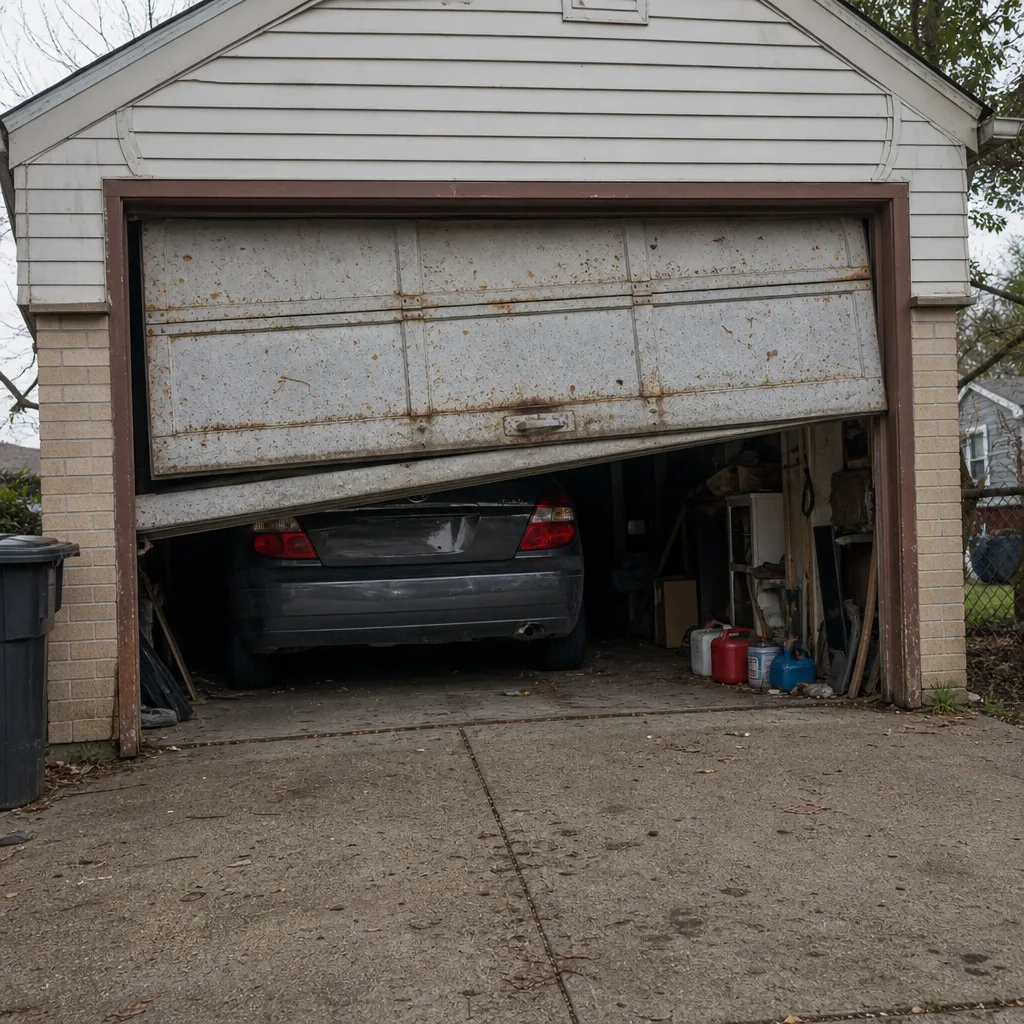 Before
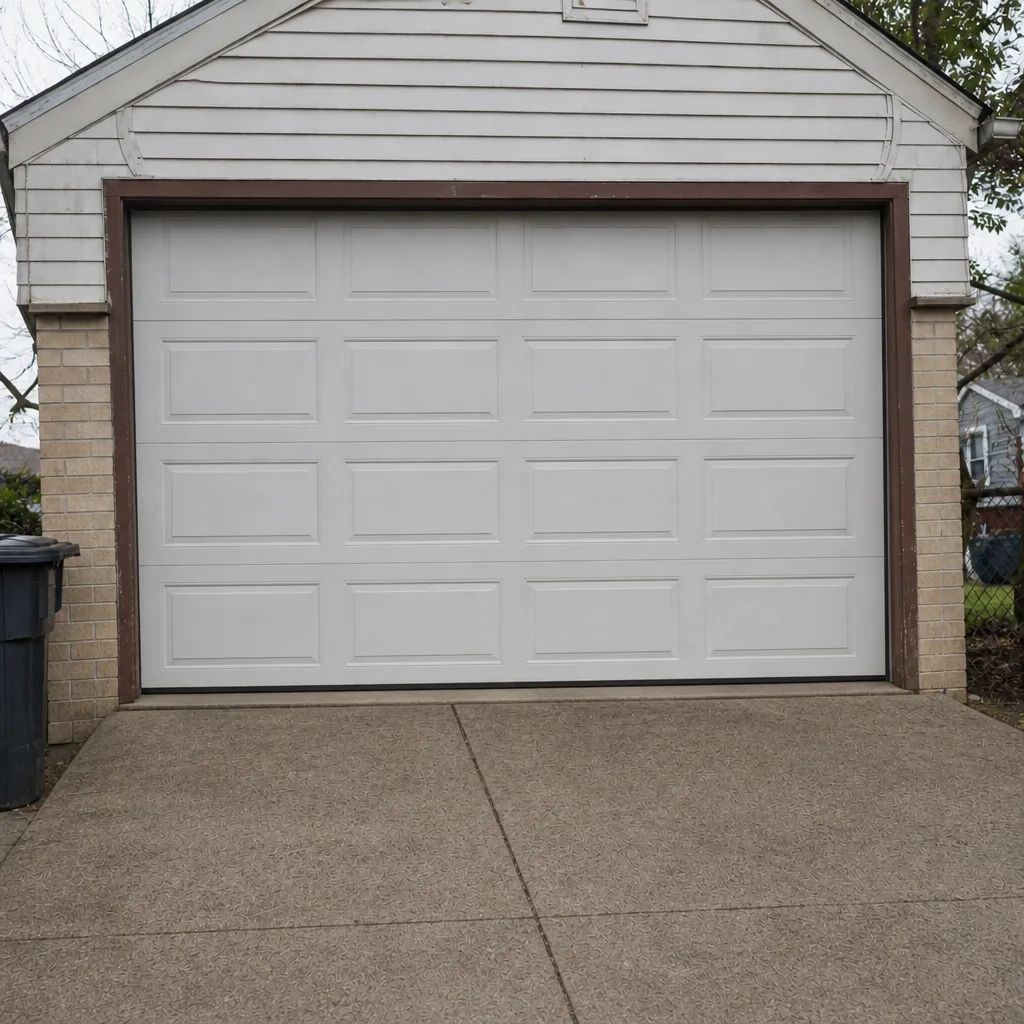 After
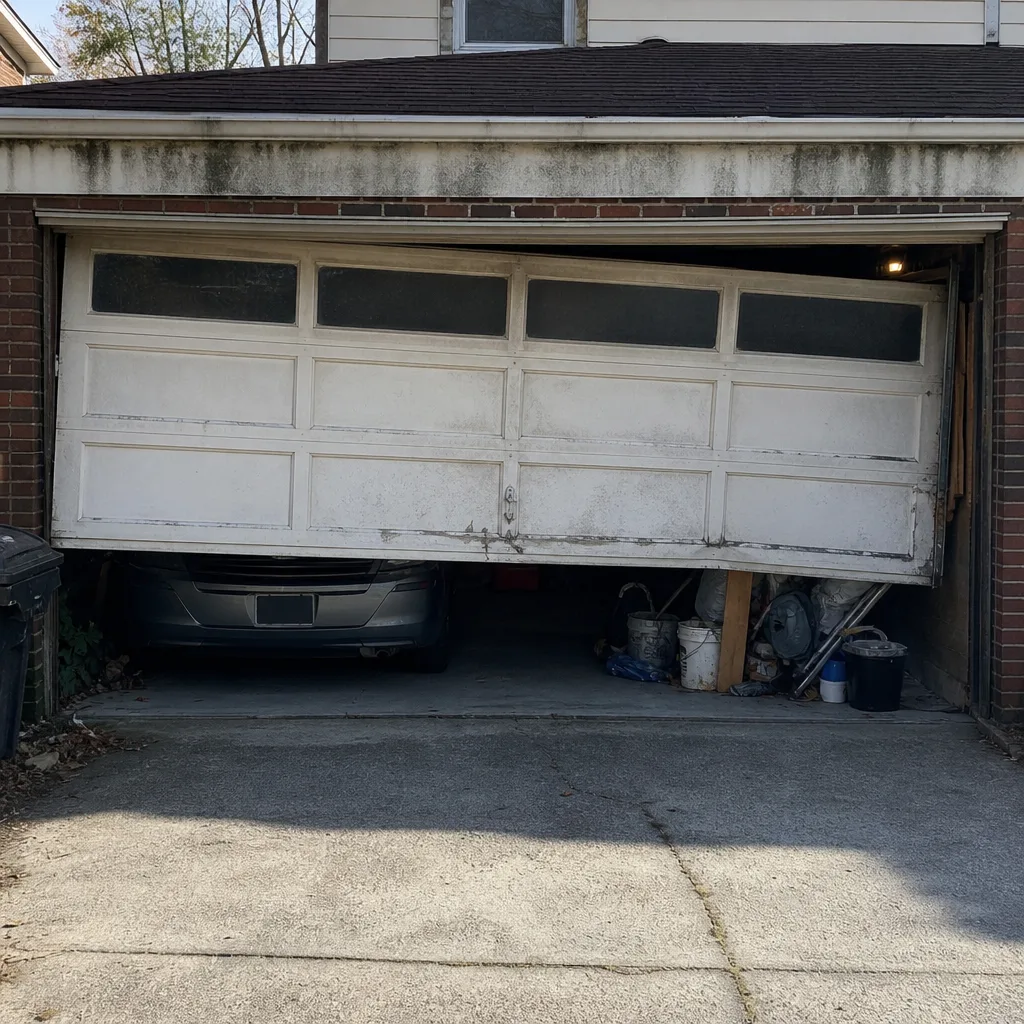 Before
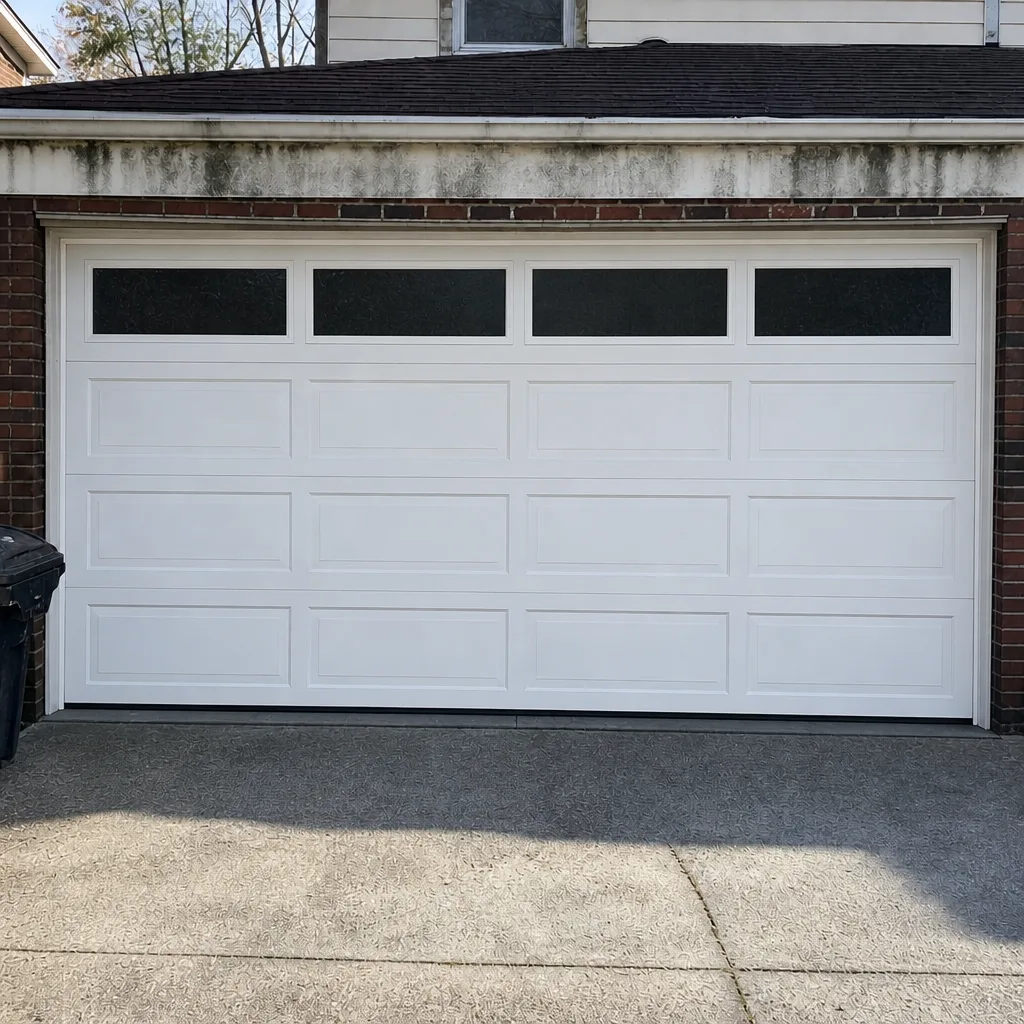 After
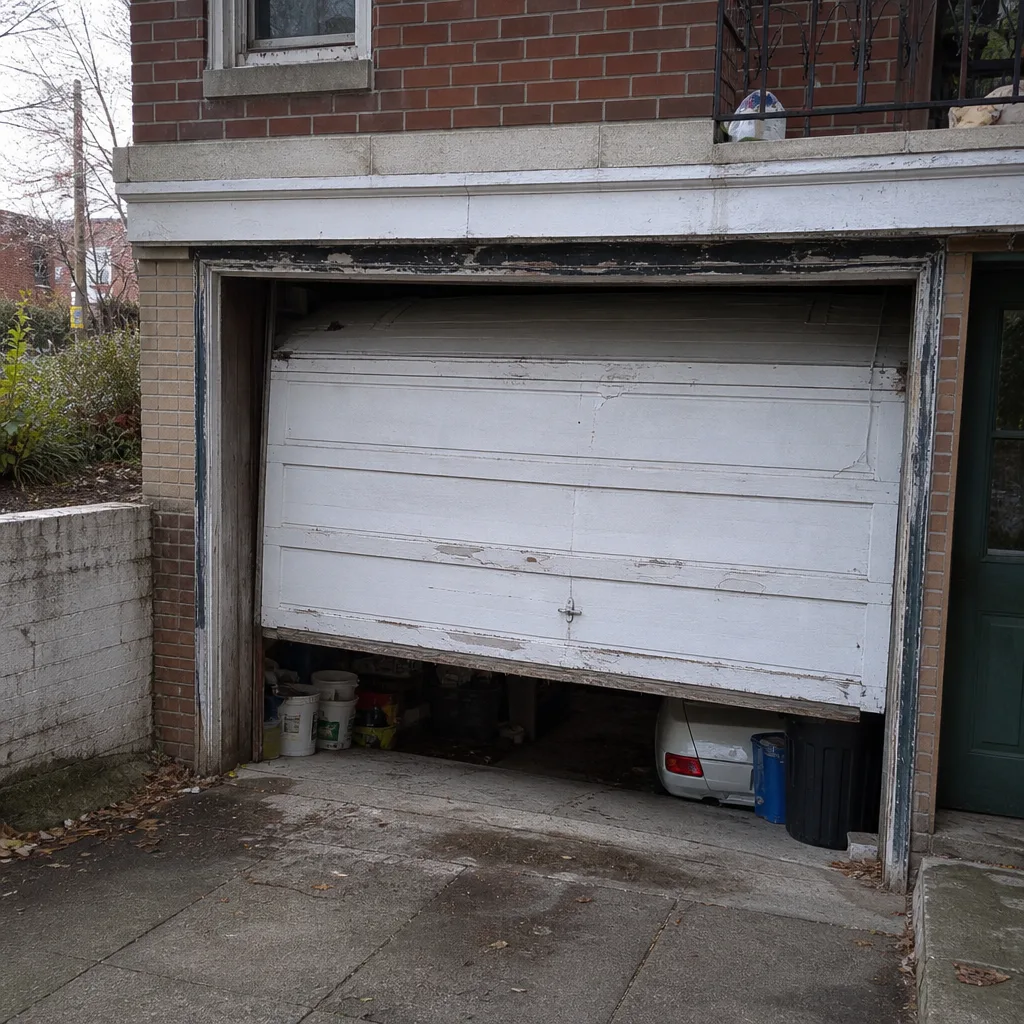 Before
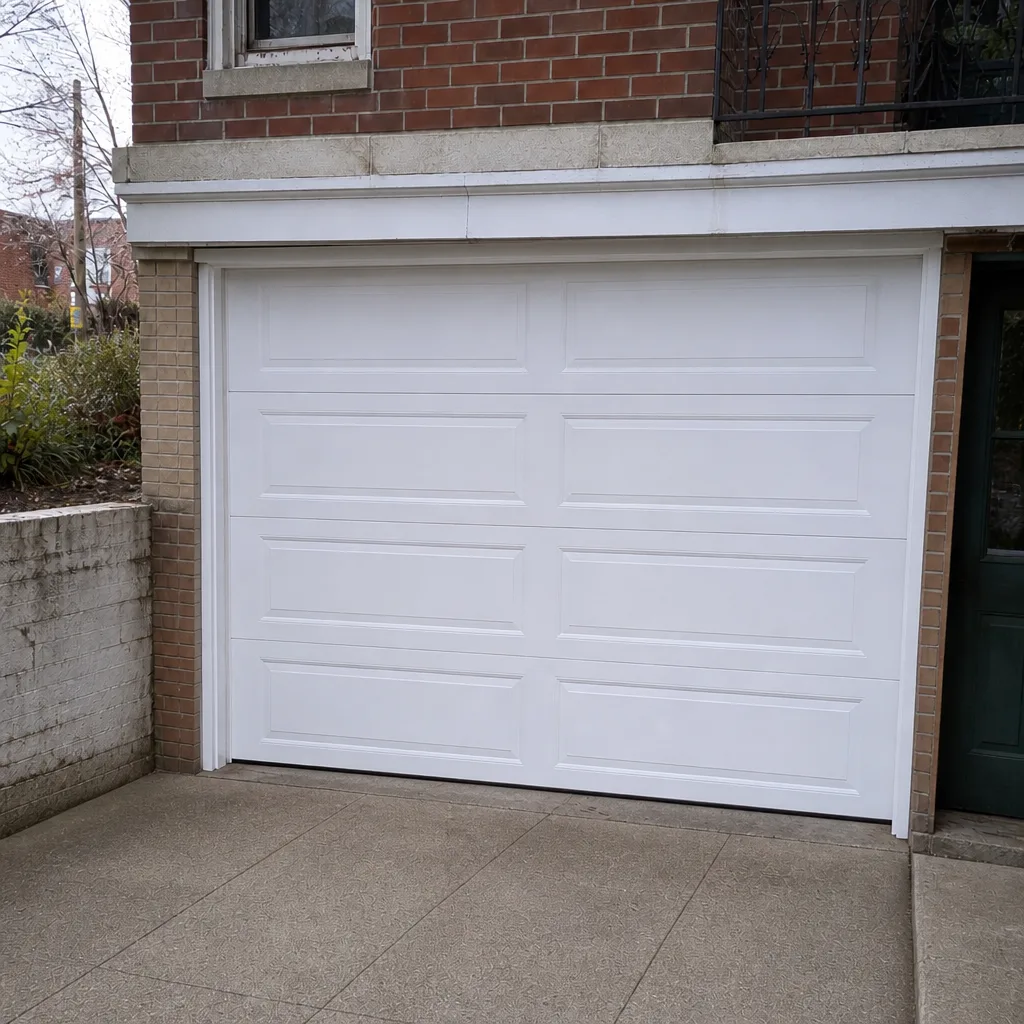 After
When to Call a Professional
Call a professional garage door specialist before you order a replacement door in Washington Heights if you’re unsure whether a permit is required, if the door faces a street in a historic district, if the new door is a different material or weight class from the old one, or if you’re getting ready to list the property and want your records clean. Call us immediately if a spring has snapped, a cable has come loose, the door has come off its tracks, or the opener has stopped working and the door won’t open or won’t close. Those are urgent situations, and we treat them as urgent. We’ve seen too many homeowner injuries from spring work to ever suggest it’s a manageable DIY job. Our technicians have up to 13 years of experience, work on LiftMaster, Chamberlain, Genie, Clopay, Amarr, Wayne Dalton, Craftsman and Raynor equipment, and can give you a straight answer on your door. Garage Door Repair Washington Heights offers free estimates in Washington Heights – call (833) 968-8233.
Frequently Asked Questions
In Washington Heights, a garage door replacement usually requires a DOB permit when the work changes the door’s size, material, configuration, weight class or anchoring. A true like-for-like replacement of the same door in the same opening sometimes qualifies as a minor repair without full filing, but the exemption is narrow enough that you should confirm with the DOB or a licensed filing professional before work begins. Call (833) 968-8233 for a free estimate and we’ll walk through your specific door.
No. Spring repairs, cable repairs, opener repairs, roller and hinge replacement, and track work are all maintenance under NYC code and do not require a permit. The permit threshold applies to changes to the door itself and the opening, not to keeping an existing door functioning. If you’re dealing with a snapped spring or failed opener, call (833) 968-8233 and we’ll get you scheduled.
Typical price ranges for garage door work in Washington Heights start around the cost of the door and installation, with permit filing adding a separate DOB-related cost that depends on the scope and whether a licensed design professional needs to prepare drawings. A like-for-like replacement that qualifies as a minor repair avoids the filing cost entirely. The written estimate sets the final price, and the price is quoted and agreed before any work starts. Call (833) 968-8233 for an exact quote – estimates are free.
Yes, if your building is individually landmarked or sits inside a New York City historic district, LPC review runs on top of any DOB filing. The commission looks at the door’s visible appearance from the street: proportions, panel design, color and hardware. Plan the LPC timeline alongside the manufacturer’s lead time, not after it, because approval can take weeks to months depending on the scope. For a free measure and written price while you sort out approvals, call (833) 968-8233.
Remediation typically means pulling the DOB record, having a licensed design professional evaluate the current installation, and then filing a retroactive permit or restoring the opening to its recorded configuration. The cleaner path depends on whether the current door is structurally sound and code-compliant, and an expediter can usually make the retroactive filing manageable. Call (833) 968-8233 for a free evaluation so you know what you’re dealing with before a buyer’s attorney does.
For genuine emergencies in Washington Heights – a snapped spring, a door off its tracks, an opener that’s failed and locked you out of the garage – we treat the call as urgent and can often respond the same day. For a new door replacement or a like-for-like swap that needs a permit, the work is measured, ordered and scheduled, so the timeline is measured in days and weeks rather than hours. Call (833) 968-8233 and we’ll tell you which situation you’re in.
The Bottom Line
The permit question in Washington Heights comes down to one distinction: repair versus construction. Spring, cable, roller, track and opener work is maintenance and doesn’t need a permit. Replacing a door usually does, unless the new door matches the old one in size, material, configuration, weight class and anchoring closely enough to qualify as like-for-like under NYC code. Historic district designation in upper Manhattan adds an LPC review on top of any DOB filing, and the timeline for both needs to run in parallel with the door manufacturer’s lead time. Getting the record clean before you sell is far cheaper than discovering the problem at contract stage. If you’re unsure which category your door falls into, call us at (833) 968-8233 for a free estimate. We’ll measure the opening, look at the anchoring and the header, and tell you what we see.
Written by the team at Garage Door Repair Washington Heights.